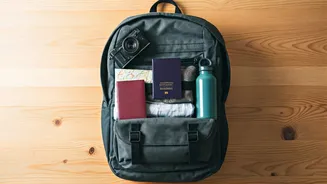








They Master the 'Micro-Trip'
Forget the single, two-month-long backpacking trip across Europe. Today’s students are embracing the “micro-trip”—shorter, more frequent getaways of three to five days. By taking advantage of long weekends, holiday breaks, and flexible class schedules,
they can explore a new city without the financial or academic commitment of a massive summer tour. This approach lowers the barrier to entry for each individual trip, making travel feel more like a regular hobby than a once-in-a-lifetime event. A quick flight to a neighboring state or a budget airline jaunt to Montreal or Mexico City becomes an achievable goal, allowing for multiple unique experiences a year instead of just one.
Technology Is Their Travel Agent
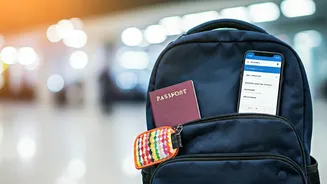
Students are digital natives, and they apply that fluency to finding the best deals. Instead of walking into a travel agency, they use a sophisticated suite of apps and websites to hunt down bargains. Price-tracking tools like Hopper and Google Flights send alerts when fares drop, while Skyscanner’s “Everywhere” feature suggests the cheapest destinations to fly to from their home airport. They’re also adept at spotting “error fares” and using VPNs to check prices from different countries. This proactive, tech-driven approach means they rarely pay the first price they see, treating deal-hunting as part of the travel experience itself.
Hostels Have Had a Major Glow-Up
The word “hostel” might conjure images of cramped, noisy dorm rooms, but the modern hostel experience is a world away from that stereotype. A new generation of boutique hostels offers the style and amenities of a hotel—like private rooms, ensuite bathrooms, chic common areas, and rooftop bars—at a fraction of the cost. These establishments focus on building community, offering organized events like walking tours and cooking classes. For students, this provides a double benefit: they save significant money on accommodation while getting a built-in social network, making it easier and safer to travel solo or in small groups.
They Embrace the 'Bleisure' Lifestyle
The rise of remote learning and online classes has created an unexpected opportunity for student travelers. With lectures available on-demand and assignments submitted digitally, many students are no longer tethered to campus. This has given rise to a student version of “bleisure” (business + leisure) travel. A student might spend a month in Lisbon or Denver, attending online classes in the morning and exploring the city in the afternoon. By renting a single room for a few weeks, they can immerse themselves in a new culture without falling behind academically, turning the entire world into their campus.
Off-Season Is the Only Season
While summer break remains a popular time to travel, savvy students know that the real savings are found in the shoulder seasons—the months just before and after the peak tourist rush (think April-May and September-October). Flights and accommodations are dramatically cheaper, and popular attractions are far less crowded. By strategically planning their trips around these off-peak windows, they can get a premium experience for a budget price. This requires more planning and a willingness to travel when others are not, but the payoff in savings and enjoyment is enormous.
Student Discounts Are Finally Cool
For years, student discounts were often an afterthought. But now, a plethora of services are specifically targeting the 18-25 demographic. Services like StudentUniverse and STA Travel negotiate exclusive airfare deals that aren’t available to the general public. Beyond flights, students are diligently using their .edu email addresses to unlock discounts on everything from museum tickets and train passes to software and clothing. It’s a mindset shift: a student ID is no longer just for campus access; it’s a key that unlocks a global ecosystem of savings, making every aspect of the travel budget stretch further.