



1. Master the Art of Layering
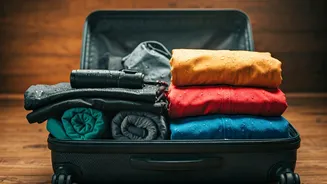
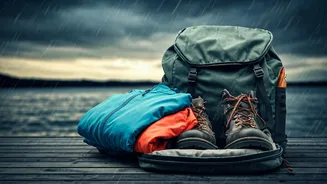
Forget bulky coats. The key to comfortable rainy-day travel is strategic layering. Start with a moisture-wicking base layer (merino wool is king because it insulates even when damp). Add a fleece or light insulated jacket for warmth. Top it all off with a thin,
packable, and genuinely waterproof shell. This system gives you incredible flexibility. If you step into a warm museum or cafe, you can shed the outer layer without overheating. When the rain stops but the wind is still blowing, the shell acts as a perfect windbreaker.
2. Rethink Your Footwear
Wet socks can ruin a day faster than almost anything else. While waterproof hiking boots are great for the trail, they can be clunky and hot in a city. Consider waterproof sneakers or treated leather boots with good grip. The real game-changer, however, is your sock choice. Pack wool socks. Cotton socks, when wet, lose all insulating properties and take forever to dry, leading to blisters and cold feet. Wool socks stay warm when wet and dry much faster. Always pack at least one extra pair in your daypack.
3. Waterproof Your Day Bag—From the Inside
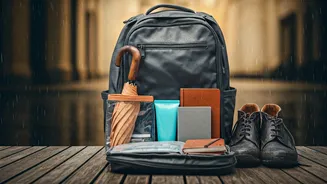
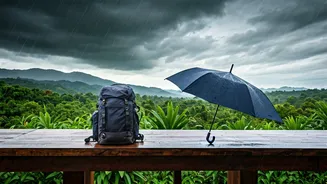
A waterproof backpack is a great investment, but not everyone has one. A simpler, cheaper hack is to waterproof your existing bag from the inside out. Use a series of packing cubes (some are water-resistant) to organize your belongings. For true waterproofing, line your backpack with a small, durable trash bag before you pack it. This creates an internal barrier that protects your electronics, extra layers, and snacks from a sudden downpour, even if your bag gets soaked.
4. Embrace the Ziploc Bag
The humble Ziploc is a rainy-day traveler’s best friend. It’s the ultimate multi-tool. Use a sandwich-sized bag to create a makeshift waterproof case for your phone—most touchscreens work right through the plastic. Use a larger one to store a wet umbrella so it doesn't soak everything else in your bag. They're also perfect for keeping your passport, wallet, and portable charger completely dry. Pack an assortment of sizes; they take up no space and you'll be grateful you have them.
5. Curate a “Rainy Day” Itinerary
Hope for the best, but plan for the worst. Before you even leave, do a little research and create a “Plan B” list of indoor activities. Look for unique local museums (not just the big famous ones), cozy cafes known for their hot chocolate or board games, independent cinemas, or even a local cooking class. Having a pre-vetted list of exciting indoor options turns a rainy day from a disappointment into an opportunity. Instead of scrambling, you can pivot your plans with confidence and discover a part of your destination you might have otherwise missed.
6. Find the Moody Photo Opportunities
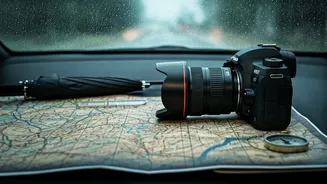
Blue skies are nice, but dramatic, overcast weather can create stunning photographs. Rain-slicked streets reflect city lights beautifully at night. Mist hanging over a landscape adds a layer of mystery and depth. Puddles can be used to create interesting reflection shots. Instead of putting your camera away, look for the unique angles that only a rainy day can provide. It's a chance to capture the atmosphere of a place, not just its sunny disposition.