

Embracing the Unripe
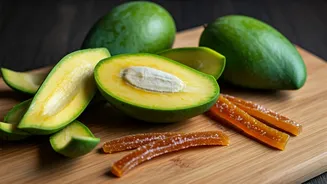
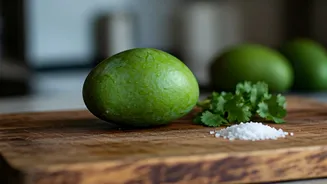
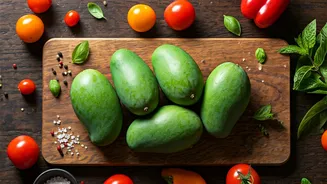
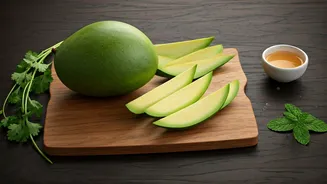
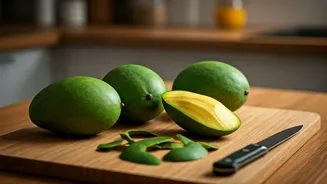
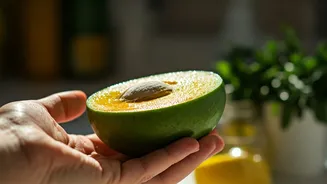
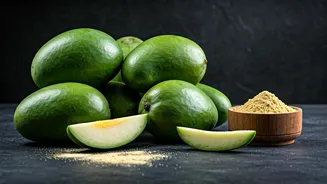
First, let's clarify what we mean by “raw mango.” This isn’t just a regular mango that hasn’t sweetened yet. We’re talking about green mangoes, a specific stage of the fruit harvested before it develops its signature sweetness and soft, orange flesh.
You’ll find them in many Asian grocery stores and specialty markets during the summer months, often labeled as “green mango” or “unripe mango.” Unlike their ripe counterparts, which are soft and sugary, green mangoes are rock-hard, with a pale, whitish-green flesh that is intensely tart and acidic. The flavor is a lightning bolt of sourness, closer to a lime or a Granny Smith apple than a sweet, tropical fruit. This isn't a defect; it's the entire point. This assertive, crisp character is what makes it such a versatile ingredient in savory dishes, pickles, and refreshing drinks.
The Flesh: A Crisp, Tart Foundation
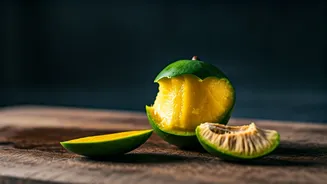
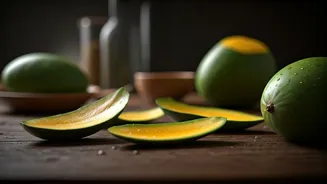
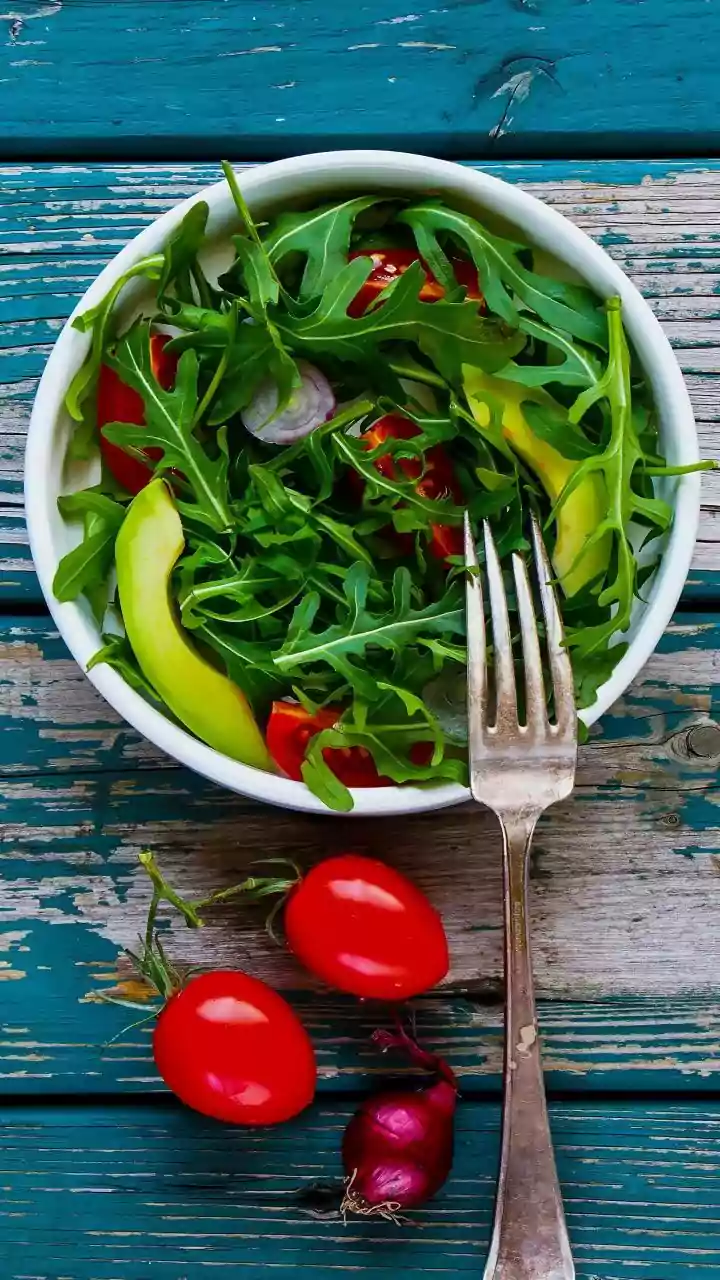
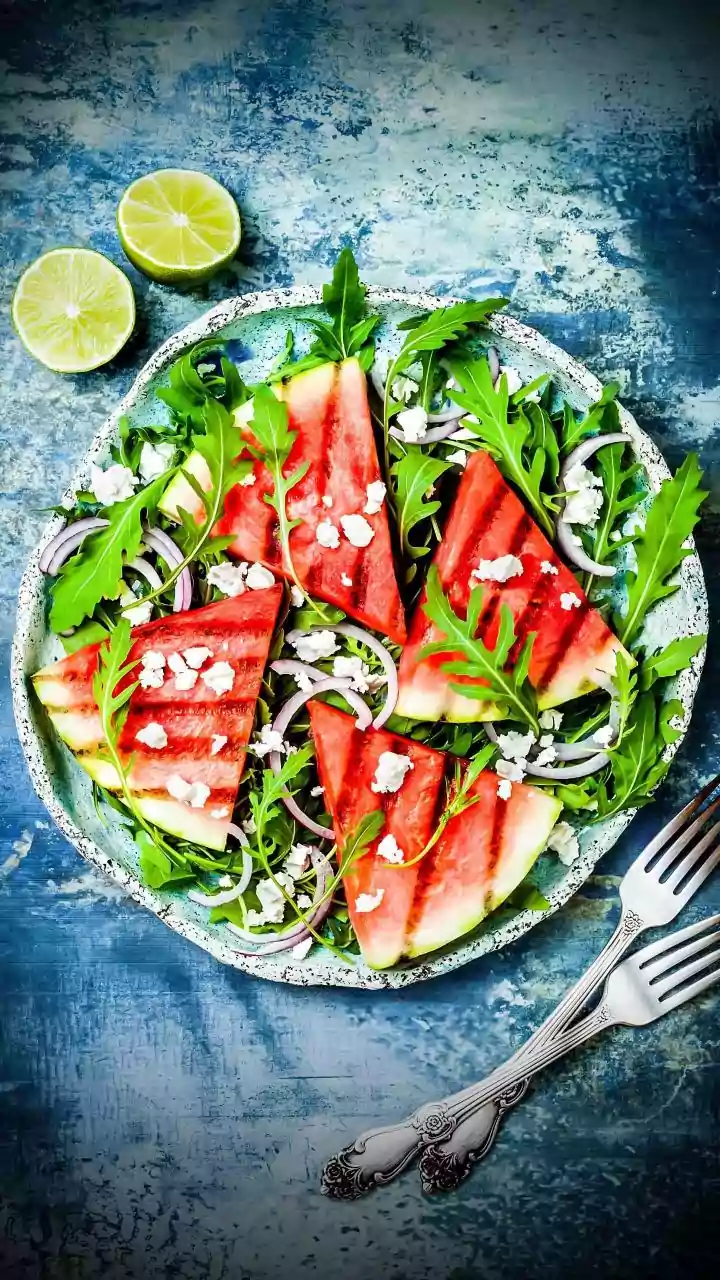
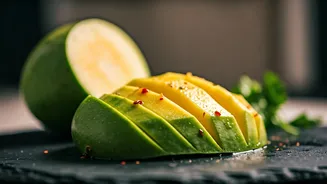
The primary use for a raw mango is, of course, its flesh. After peeling, the firm flesh can be shredded, julienned, or diced. Because of its sturdiness, it won’t turn to mush like a ripe mango would, making it a fantastic structural element in salads and slaws. Think of a classic Thai Green Mango Salad (Som Tum Mamuang). Shredded raw mango is tossed with fish sauce, lime juice, chili, peanuts, and shallots for a dish that is a perfect explosion of salty, sweet, sour, and spicy. You can create a simpler version at home by tossing shredded mango with cilantro, red onion, a pinch of sugar, and a squeeze of lime for a vibrant slaw to top grilled fish or chicken tacos. The tartness cuts through richness beautifully. You can also dice it and add it to lentil dishes, like Indian dal, where it will soften and lend a wonderful sour note to the entire pot.
The Skin: Don't You Dare Toss It
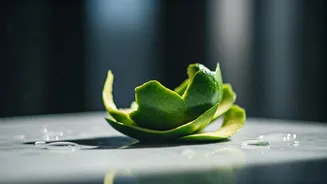
Here's where the zero-waste magic really begins. Most people peel a mango and toss the skin without a second thought. But the skin of a raw, green mango—especially if you can find an organic one—is packed with flavor. After giving it a very thorough wash, you have a few options. The simplest is to make a quick chutney. Finely chop the skin and simmer it with a bit of water, sugar, salt, and spices like mustard seeds and turmeric until it softens into a tangy, jam-like condiment. It's an incredible accompaniment to rice or grilled meats. Alternatively, you can use the peels to infuse vinegar. Simply drop the clean peels into a jar of white vinegar, let it sit for a week, and you’ll have a beautifully aromatic mango vinegar perfect for salad dressings.
The Pit: A Secret Flavor Bomb
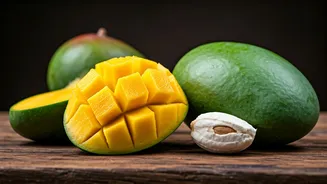
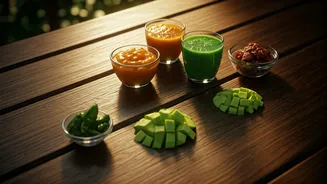
You’ve used the flesh and the skin. Now you’re left with the large, woody pit, or stone. Surely this goes in the compost? Not so fast. In many cultures, particularly in India, the mango pit is used as a souring agent, much like a bay leaf is used for aroma. After you've cut away most of the flesh, give the pit a good rinse. You can add it directly to a pot of simmering soup, curry, or dal. As it cooks, it will release a subtle, tangy flavor into the broth, adding a layer of complexity you wouldn't get otherwise. It’s particularly good in lentil and bean dishes. Another popular use is in making *Aam Panna*, a refreshing Indian summer drink. The whole raw mango (or just the pit with some flesh) is boiled until soft, then the pulp is scraped off and blended with sugar, mint, and spices. The pit has done its job, infusing the water with its essence. Just remember to remove it before serving, as you would a cinnamon stick.