




The New Digital Strongmen
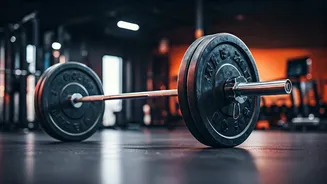
This isn't your grandfather's 'akhara,' the traditional earthen-floored wrestling gyms of northern India. Today’s fitness temple is a slick, air-conditioned studio with rows of chrome dumbbells and plate-loaded machines. The evidence isn’t just in the booming
gym business but on the digital platforms where this culture thrives. Instagram and TikTok are flooded with meticulously crafted content: men—and a growing number of women—with sculpted physiques, showcasing chiseled abs and bulging biceps under dramatic lighting. They post workout tutorials, meal prep guides, and motivational quotes, cultivating followings that can reach into the hundreds of thousands. This is a far cry from the lean, wiry strength traditionally valued; it’s a globalized aesthetic of mass, definition, and overt muscularity, imported from international bodybuilding circuits and superhero movies, then localized in the gyms of South Delhi and Gurgaon.
An Economy of Aspiration
Behind the brawn is a story of economic transformation. For many young men from India's rapidly expanding middle and lower-middle classes, a powerful physique is a tangible form of social currency. In a hyper-competitive job market, building an impressive body is seen as a project of self-improvement that signals discipline, ambition, and modernity. It offers a path to status that isn’t dependent on inherited wealth or an elite education. The fitness industry has mushroomed to meet this demand. Neighborhoods are dotted with supplement shops selling whey protein and creatine, while personal training has become a viable and aspirational career. For top influencers, this digital-first lifestyle translates into brand sponsorships, online coaching clients, and a level of celebrity that was once reserved for movie stars and cricketers.
From Bollywood to Bodybuilders
The seeds of this trend were planted decades ago by Bollywood, India’s prolific film industry. While earlier heroes were romantic and slight, stars like Salman Khan and later Hrithik Roshan brought a muscular aesthetic to the mainstream in the late '90s and 2000s. They made six-pack abs a national aspiration. But today’s social media stars are taking it a step further. They aren’t just actors playing a role; they are full-time athletes and entrepreneurs whose entire brand is their body. This has created a new kind of role model: the self-made man (or woman) who built their success—and their physique—rep by rep. They represent a more accessible form of heroism, one that feels achievable with enough grit, dedication, and the right protein powder.
A New Vision of Masculinity
Inevitably, this aesthetic shift is tied to evolving ideas of masculinity in urban India. The muscular body serves as a powerful symbol of control and potency in a world of rapid change and uncertainty. It's a visual rejection of the colonial-era stereotype of the physically passive or 'un-masculine' Indian male. For many, the gym is a space to forge a modern identity that is both Indian and globally connected. It’s a disciplined, ordered world where progress is measurable and effort yields visible results. While critics point to the risks of body dysmorphia and the misuse of steroids that can accompany such intense subcultures, proponents see it as a positive outlet for youthful energy—a way to build confidence, community, and a sense of self in one of the world's most dynamic and demanding cities.