

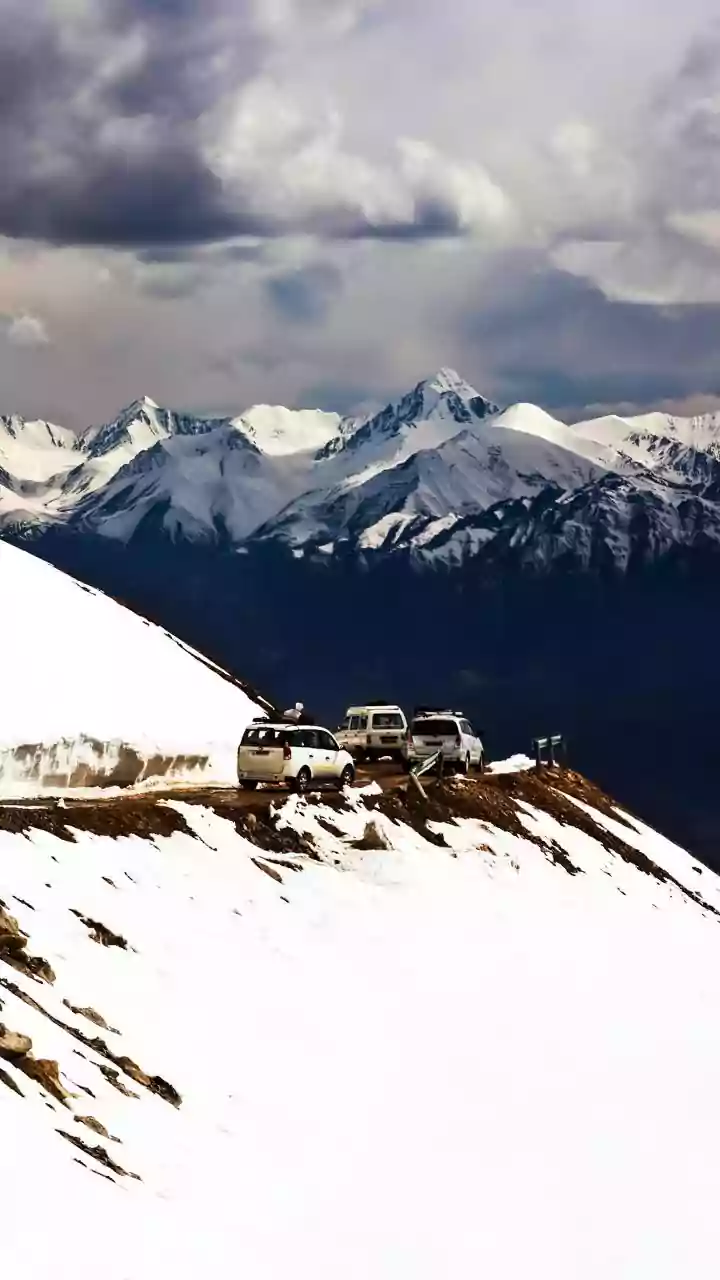





The Allure of the Atmospheric Reel
There’s a reason #RainyDayVibes is a perennial tag on Instagram and TikTok. Aesthetically, rain transforms a landscape. It deepens the green of a forest, creates a sense of cozy isolation, and offers a dramatic, cinematic quality that’s hard to resist.
A 30-second video of a lone hiker with a colorful rain jacket trekking through a foggy wood, or a driver’s-eye-view of a winding mountain road glistening under a downpour, can feel like an invitation. It suggests adventure, solitude, and a deeper connection with nature. This curated content taps into our desire for authenticity and escape, making a rainy day out seem not just possible, but preferable. But the creator of that reel isn't showing you the hours of discomfort, the legitimate risks, or the preparation required to capture that one perfect shot. They’re selling a mood, not providing a field report.
The Hidden Danger of Flash Floods
The most catastrophic danger that a rain reel completely ignores is the risk of flash flooding. A gentle stream you crossed on your way up a canyon trail can become a raging, impassable torrent in minutes. This is especially true in the American West, where arid landscapes and narrow canyons are prone to sudden, violent floods, even if the rain isn't falling directly overhead. A distant thunderstorm miles away can send a wall of water, debris, and mud down a dry wash with little to no warning. A video showing a serene, rainy canyon is a snapshot in time; it offers zero information about the upstream weather conditions or the watershed’s capacity. Park rangers consistently warn that water levels can rise faster than a person can run. Relying on a social media post for safety is like gambling with physics—and the house always wins.
The Treachery of Slick Surfaces
While less dramatic than a flash flood, the most common hazard on a wet trail is simply losing your footing. A picturesque video won’t show the invisible layer of slickness on rocks, the compromised integrity of a muddy slope, or the treachery of wet tree roots that can easily send you tumbling. An ankle sprain that would be an inconvenience on a dry day can become a serious emergency when you’re miles from the trailhead, wet, and getting cold. On roads, the same principle applies. That beautiful shot of rain on a winding scenic byway doesn’t communicate the risk of hydroplaning, where a layer of water builds between your tires and the road, causing a total loss of steering control. Mud and rock slides are also far more common during and after heavy rains, potentially turning a scenic drive into a blocked and dangerous route.
Hypothermia Isn't Just for Winter
A person in a video might look stoic and adventurous in the rain, but their body is fighting a constant battle to stay warm. Hypothermia, a dangerous drop in body temperature, can occur in surprisingly mild weather—even in 50°F temperatures, if you are wet and exposed to wind. Cotton clothing, once wet, loses all its insulating properties and actively pulls heat from your body. The creator of a rain reel likely isn't mentioning the advanced, non-cotton layers they’re wearing (or should be wearing). They’re not showing the shivering that starts when they stop moving, the numb fingers fumbling with camera equipment, or the urgent need to get back to a warm, dry place. Mild hypothermia can impair judgment, making you more likely to make other bad decisions, like pressing on when you should turn back.