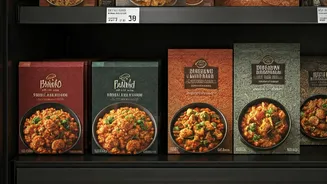

From Kitchen Tradition to Retail Shelf
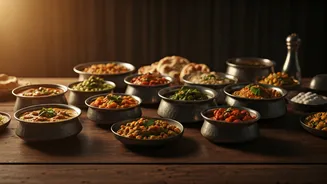
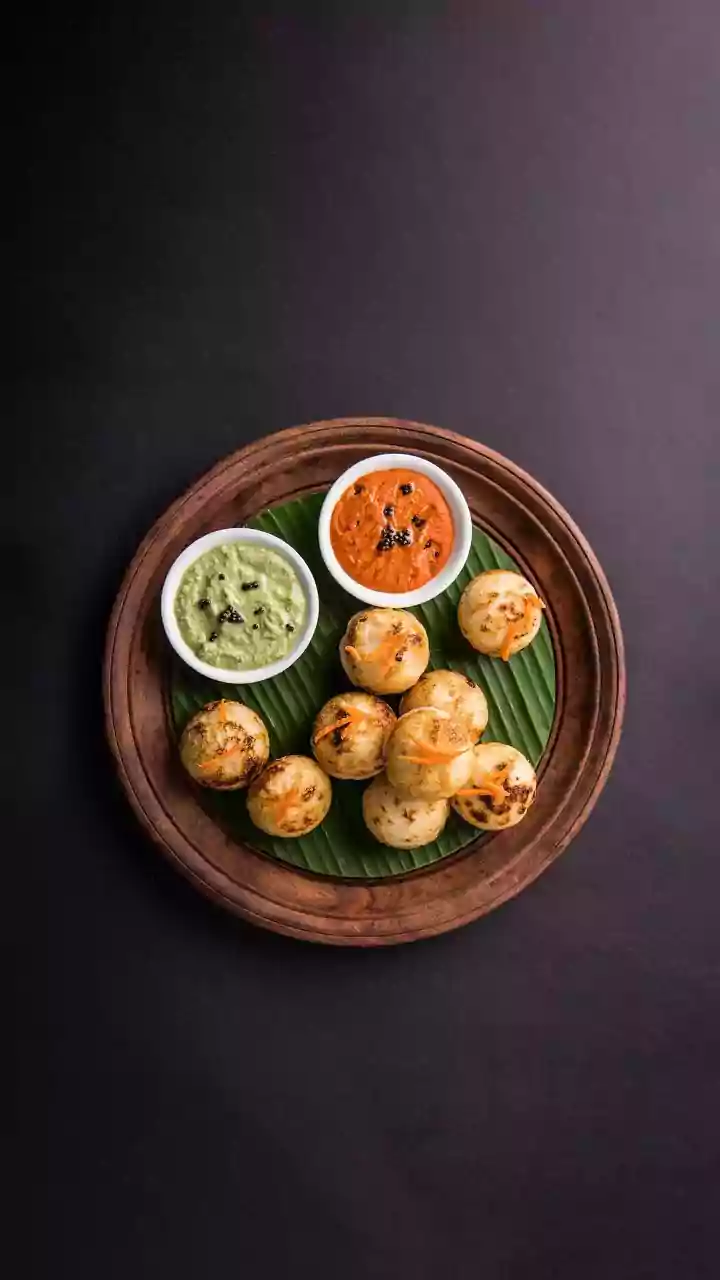
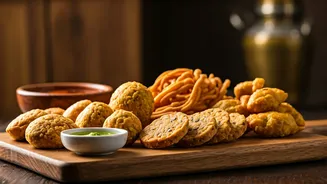
For generations of Indian Americans, the most beloved snacks weren’t bought, but made. Think of crispy, spiced murukku (chakli), savory lentil-flour sev, or tangy bhel puri—concoctions often tied to festivals, family gatherings, or an after-school treat
lovingly prepared by a parent or grandparent. These were flavors of home, rich with spices, memories, and a comforting complexity that couldn’t be found in a standard bag of chips. However, they remained largely inaccessible to those outside the community, and even for those within it, they required time, skill, and a well-stocked pantry of specialty ingredients. Now, that’s all changing. A cultural and culinary shift is taking these hyper-regional, traditionally homemade snacks and translating them for the modern American consumer, creating a brand-new category in the ever-expanding world of global foods.
The New Wave of 'Snack-trepreneurs'
Driving this movement is a new generation of entrepreneurs, many of whom are second-generation Indian Americans. They grew up with one foot in American pop culture and the other in the rich culinary traditions of their heritage. They remember the snacks of their childhood with deep nostalgia but also recognize the hurdles of recreating them in their own busy, modern lives. Their solution? To build the brands they wished they had. These founders are bridging a cultural gap, creating products that speak to both authenticity and convenience. They aren't just slapping a new label on an old recipe; they are thoughtfully reformulating, sourcing, and designing their products to honor the original flavor profile while fitting seamlessly into a contemporary lifestyle. This is a story of identity as much as it is of commerce, with founders using their businesses to preserve and share a piece of their heritage.
The 'Better-for-You' Makeover
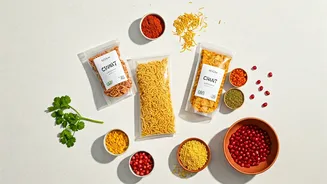
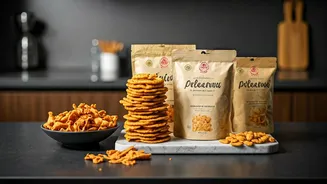
The “packaged makeover” isn't just about putting snacks in a bag. It's a fundamental reimagining of the ingredients and preparation methods to align with today's health-conscious consumer. Where traditional recipes might have used palm oil or ghee, these new versions often feature avocado or coconut oil. Many are explicitly gluten-free, vegan, or baked instead of fried, catering to modern dietary preferences without being asked. The focus is on “clean labels”—short, recognizable ingredient lists that replace artificial flavors and preservatives with high-quality spices. For example, you might find a classic sev, the crunchy chickpea flour noodle, made with less sodium and a blend of turmeric and cayenne for a natural kick. Or puffed lotus seeds (makhana) might replace popcorn, seasoned with Himalayan pink salt instead of processed butter flavor. The goal is to deliver that craveable, complex Indian flavor without the guilt, making it an everyday snack rather than a rare indulgence.
An Expanding American Palate
This trend isn't just for the Indian diaspora. It’s landing at the perfect moment to capture the attention of a broader American audience that is more adventurous and curious about global flavors than ever before. Decades of exposure to Indian restaurant staples like tikka masala have primed consumers for more. They’re seeking authenticity, but also novelty. These packaged snacks offer an easy, low-commitment entry point into the diverse world of Indian cuisine, far beyond the standard buffet. A bag of masala-spiced cassava chips or chili-lime lentil puffs provides a jolt of exciting flavor that a plain potato chip simply can’t match. As consumers increasingly look to the snack aisle for culinary discovery, these brands are perfectly positioned to satisfy the craving for something new, bold, and delicious.