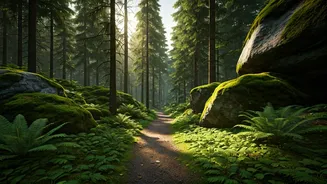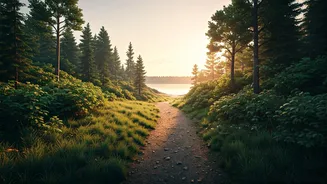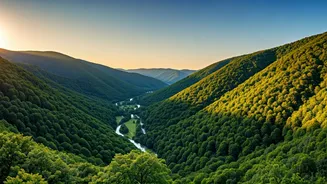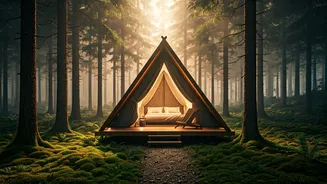

What Exactly Is a Forest Stay?
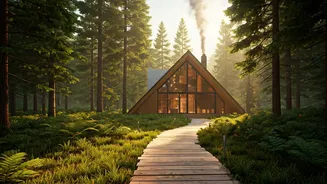
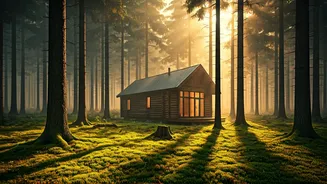
This isn’t just about roughing it in a tent. The modern forest stay is a broad and beautiful category, encompassing everything from minimalist, pre-fabricated cabins plopped into stunning woodlands to design-forward A-frames and architectural treehouses
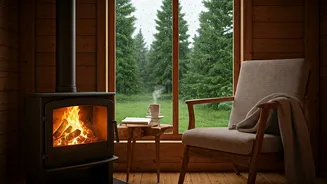
that would make an influencer weep. Think less survivalist, more stylish recluse. These are curated escapes that prioritize a connection to nature without necessarily sacrificing comfort. You might find a high-end mattress, a well-stocked kitchenette for making pour-over coffee, and a perfectly placed picture window for watching deer at dawn. What unites them is what they lack: front desks, elevators, and the anonymous hum of a large hotel.
The Psychology of the Great Escape
So, why the sudden exodus to the woods? The trend is rooted in a collective burnout. In a world of constant notifications, endless Zoom calls, and performative social lives, the ultimate luxury is no longer opulence but quiet. The forest stay offers a tangible antidote to digital oversaturation. It’s an invitation to disconnect from Wi-Fi and reconnect with something more elemental. The appeal was supercharged by the pandemic, which reacquainted Americans with the outdoors and instilled a deep desire for privacy and personal space. Instead of navigating crowded resorts, travelers found solace and safety in self-contained natural retreats. That craving hasn’t faded; it has simply become a permanent fixture of our travel wish lists.
The 'Anti-Hotel' Difference
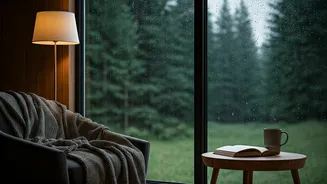
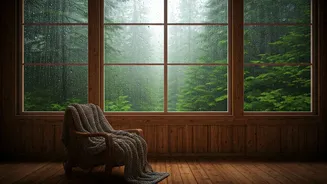
The term 'anti-hotel' isn't about criticizing hotels but highlighting a fundamental shift in what some travelers now value. Where the traditional hotel promises service and convenience, the forest stay offers autonomy and immersion. A hotel insulates you from your surroundings; a cabin makes you a temporary resident of them. You don't call for room service; you stoke the fire and listen to the rain on the roof. You don’t meet strangers in the hotel bar; you experience profound solitude or deepen your connection with the person you’re with. The rhythm of the day is dictated not by housekeeping schedules or dinner reservations, but by sunrise, sunset, and your own whims. It’s a return to self-sufficiency, even if only for a weekend.
From Rustic to Ridiculously Luxe
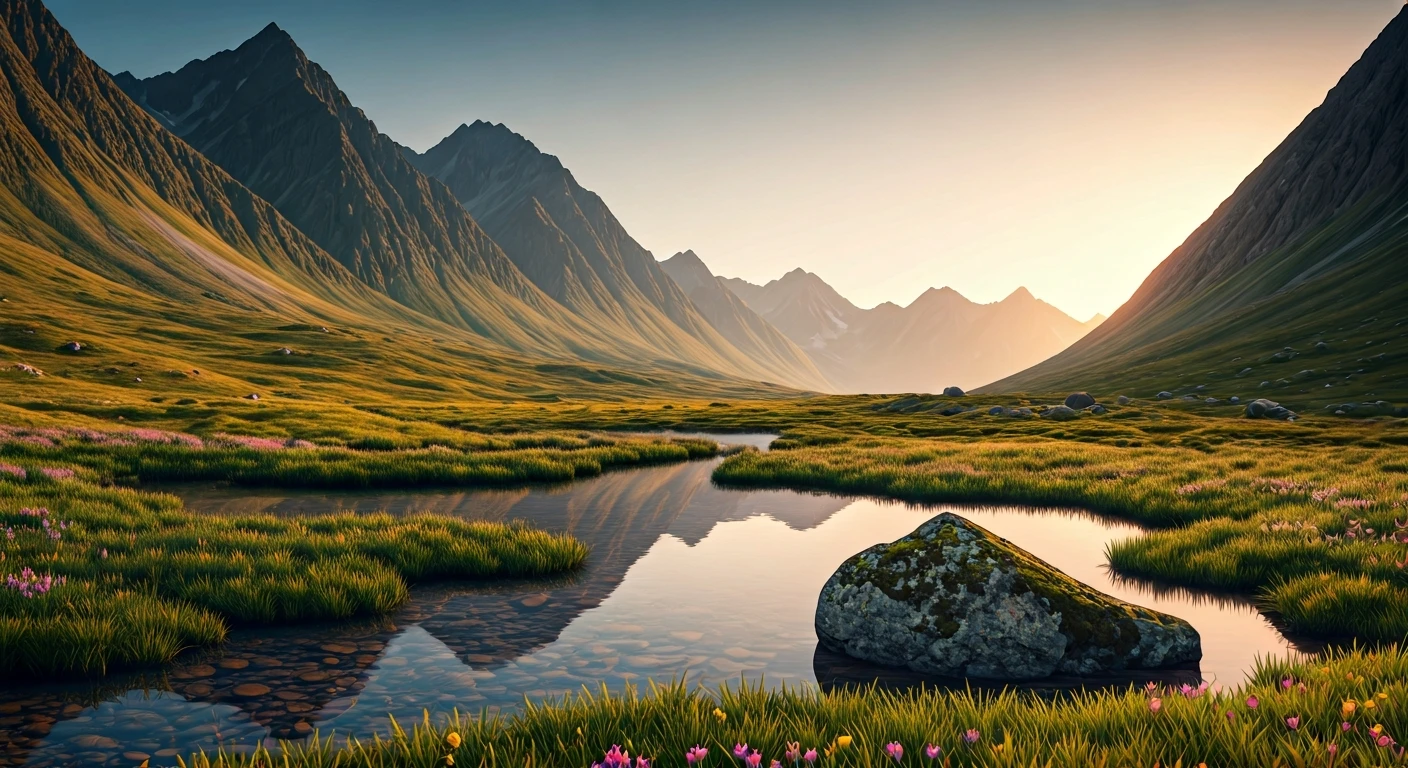
The beauty of this trend is its accessibility across different budgets and comfort levels. At one end, you have companies that have perfected the minimalist cabin experience, offering standardized, well-designed tiny homes in scenic outposts a few hours from major cities. These are turnkey digital detoxes. In the middle are the countless unique properties on platforms like Airbnb and Vrbo—the quirky A-frames, converted barns, and lakeside cottages lovingly maintained by individual owners. At the high end, you'll find luxury treehouse resorts and eco-pods with private hot tubs, chef’s kitchens, and outdoor soaking tubs, proving that getting back to nature doesn’t have to mean leaving creature comforts behind. The common thread is the focus on the landscape itself as the primary amenity.