


A Coastline Reimagined
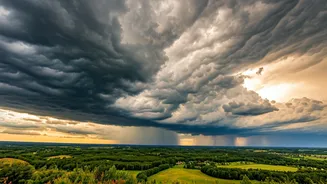
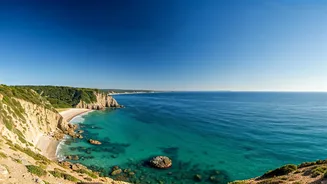
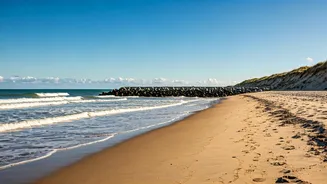
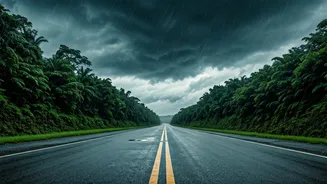
Andhra Pradesh, a state in southeastern India, boasts the country's second-longest coastline along the Bay of Bengal. For much of the year, it offers the familiar sun-and-sea experience. But from June to October, the monsoon rolls in, and the entire landscape
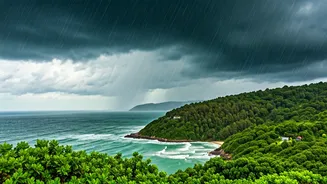
undergoes a profound transformation. The port city of Visakhapatnam, known affectionately as Vizag, takes on a new identity. Its famous Ramakrishna Beach is no longer for sunbathers but for storm-watchers, who gaze at the churning, powerful sea from the safety of the promenade. The air, thick with salt and humidity, now carries the fresh, earthy scent of rain hitting parched ground—a fragrance known as petrichor. The sky, a canvas of moody grays, makes the green of the coastal hillsides pop with an almost supernatural intensity. This isn't a ruined vacation; it's a different kind of beauty, raw and dramatic.
The Green Heart of the Eastern Ghats
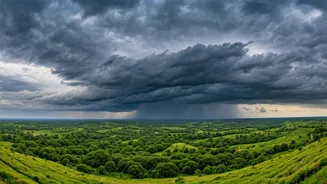
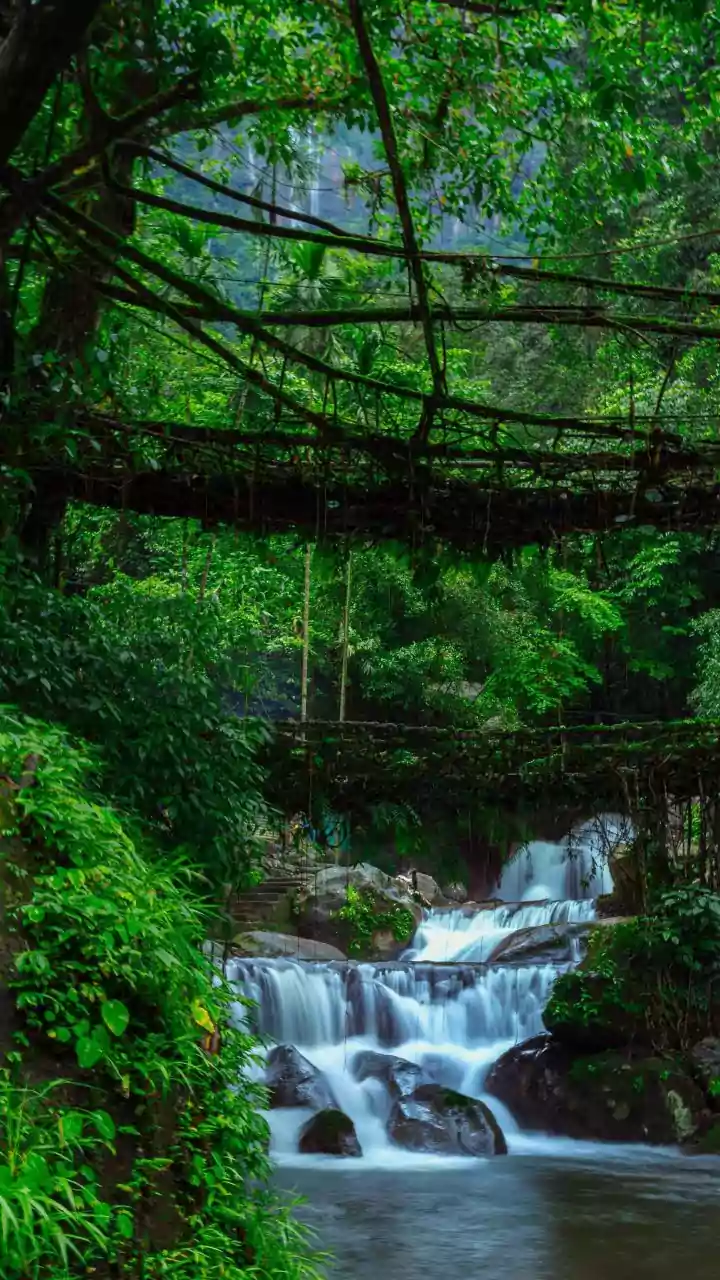
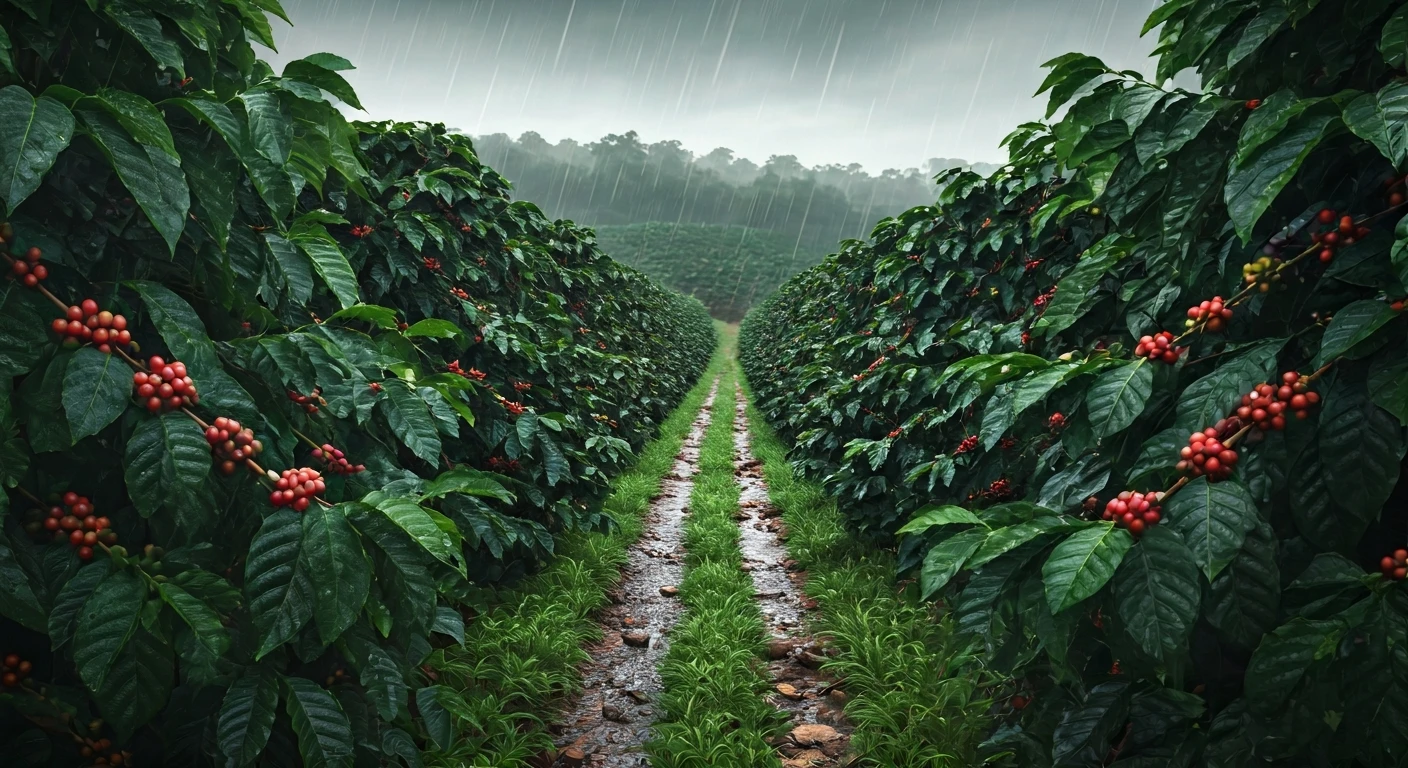
The real magic of the monsoon, however, reveals itself when you venture inland from the coast. A short drive from Vizag takes you into the Eastern Ghats, a range of mountains that become a paradise of emerald and jade during the rains. The premier destination here is the Araku Valley, a region known for its coffee plantations and indigenous communities. A train journey through the valley's tunnels and over its bridges is spectacular year-round, but during the monsoon, it’s breathtaking. Waterfalls, temporary and permanent, cascade down every mountainside. The terraced fields of rice glow with a fluorescent green, and the coffee plants are heavy with moisture, their leaves glistening. The mist hangs low in the valleys, creating a dreamlike atmosphere where hills appear and disappear from view. It’s a photographer’s dream and a nature lover’s sanctuary, far removed from the tourist frenzy of peak season.
Embracing the Slower Pace
Traveling during the monsoon requires a shift in mindset. This isn't about ticking off a checklist of sights; it's about surrendering to the rhythm of the rain. A sudden downpour isn’t an inconvenience; it's an invitation to duck into a roadside stall for a steaming cup of 'filter kaapi' (South Indian filter coffee) or a plate of hot, crispy 'punugulu,' a local fried delicacy. Ancient temples, like the Srikurmam temple near Srikakulam, feel even more mystical when explored in the gentle drizzle, their stone carvings darkened by rain. The experience becomes more sensory and introspective. You’ll find yourself spending hours just watching the rain from a dry balcony, listening to its steady rhythm, and feeling the cool breeze that follows a storm. It’s a forced slowdown that modern travel rarely affords, allowing for a deeper, more personal connection to the place.
The Practical Side of a Rainy Trip
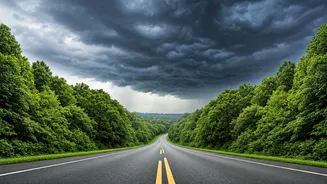
Of course, a monsoon adventure comes with its own set of practicalities. You trade crowds and peak-season prices for the chance of a canceled train or a washed-out road. The key is flexibility. Build extra days into your itinerary and don't pack your schedule too tightly. Pack lightweight, quick-drying clothes, a reliable raincoat, and waterproof footwear. Protect your electronics in dry bags. But the rewards for this preparedness are immense: hotels are cheaper, popular spots are quieter, and you get to see a side of India that many travelers miss. The locals, for whom the monsoon is a life-giving, celebrated event, are often more relaxed and welcoming. You’re not just a tourist; you’re a traveler sharing in a crucial season of renewal.