



1. The 'Get It Now' Economy
The most visible frontier of convenience tech is the world of on-demand services. A decade ago, getting a hot meal from your favorite local restaurant delivered to your door was a rare treat, often limited to pizza and Chinese food. Today, apps like DoorDash,
Uber Eats, and Instacart have made it possible to summon virtually anything—from a single cup of coffee to a week’s worth of groceries—in under an hour. This isn’t just about food. Ride-sharing apps eliminated the uncertainty of hailing a cab, and same-day package delivery from giants like Amazon has reset our patience levels for online shopping. The upgrade here isn't the item itself, but the radical compression of time between desire and fulfillment. It has transformed waiting from a passive activity into an actively solved problem.
2. The Home That Manages Itself
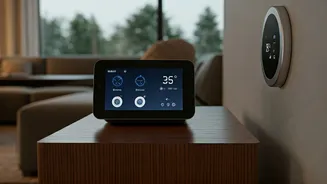
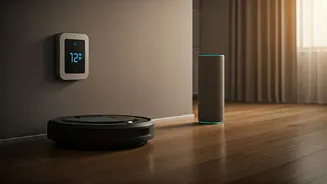
Our homes are getting smarter, and lazier in the best way possible. The true upgrade isn't about flashy gadgets, but about automating the mundane. Robot vacuums like the Roomba don’t just clean the floor; they eliminate a recurring chore from your to-do list entirely. Smart speakers from Google, Amazon, and Apple act as voice-activated assistants that can set timers, play music, create shopping lists, and control other devices without you lifting a finger. Smart thermostats learn your schedule to optimize heating and cooling, saving money and mental energy. It's a suite of small, interconnected upgrades that collectively reduce the 'life admin' required just to maintain your living space, freeing up cognitive bandwidth for more important things.
3. Curation and Subscription Simplicity
Decision fatigue is real, and a new class of services has emerged to fight it. Subscription boxes for clothing (Stitch Fix), meals (Blue Apron), and even coffee (Trade) take the guesswork out of shopping. Instead of overwhelming you with infinite choice, they offer curated selections based on your preferences. This model extends to everyday essentials. Amazon’s 'Subscribe & Save' feature ensures you never run out of paper towels or dog food again, automating a purchase you were going to make anyway. This form of convenience is less about speed and more about reducing the mental load of choice. It’s an upgrade that replaces the chore of 'shopping' with the simple pleasure of 'receiving.'
4. Frictionless Finance and Payments
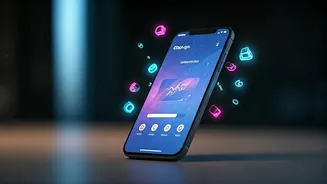
Think about the last time you had to write a check to a friend or painstakingly count out cash for a coffee. For many, it's been a while. The rise of digital wallets like Apple Pay and Google Pay has turned our phones into seamless payment devices. Apps like Venmo and Zelle have made splitting a dinner bill or paying the babysitter an instant, socially-driven transaction. This shift removes tiny points of friction that used to litter our financial lives. It’s faster, often more secure, and eliminates the need to carry a bulky wallet. The upgrade is a smoother, almost invisible relationship with the daily flow of money.
5. The Digital Personal Assistant
Perhaps the ultimate convenience upgrade is outsourcing the tedious logistics of life. This is where digital assistants and specialized apps shine. AI-powered scheduling tools can analyze your calendar and correspond over email to find the perfect meeting time, saving you from an endless back-and-forth. Travel apps like TripIt consolidate all your flight, hotel, and rental car information into a single, master itinerary. Even your email inbox is getting smarter, with features that automatically sort promotional mail, flag important messages, and suggest replies. These tools function as a silent, efficient personal assistant, handling the administrative background noise so you can focus on the foreground.