



Beyond Hydration and Hype
So, what exactly is a 'functional drink'? The term has evolved. For years, it meant a Gatorade to replenish electrolytes or a 5-hour Energy for a raw jolt of caffeine. Today’s class of functional beverages is playing a different game. They’re less about
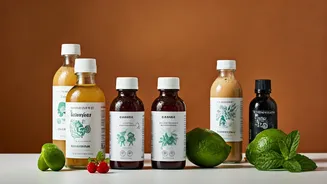
brute force and more about nuanced support for your mind and mood. Think of them as wellness tools in liquid form. The key ingredients have gone from simple sugars and caffeine to a sophisticated roster of botanicals, herbs, and compounds. You’ll find cans infused with 'adaptogens'—herbs like ashwagandha and rhodiola that are believed to help the body manage stress. Others contain 'nootropics' like L-theanine and lion's mane mushroom, often called 'smart drugs' for their purported ability to enhance focus and cognitive function. The promise isn’t just to wake you up, but to help you 'unwind,' 'focus,' or 'find your bliss,' turning a simple drink into an act of self-optimization.
The Rise of the Fancy Non-Drink
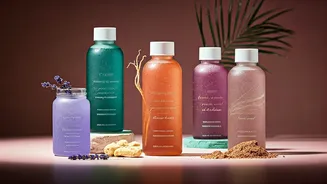
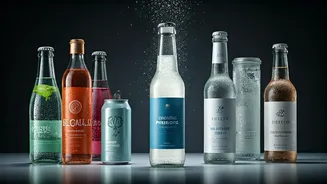
A huge driver of this trend is the growing 'sober curious' movement. More Americans, particularly Millennials and Gen Z, are re-evaluating their relationship with alcohol. But they don't want to be stuck with a club soda and lime at social gatherings. They still crave the ritual, complexity, and social status of a well-crafted drink. Enter 'euphorics' and high-end non-alcoholic aperitifs. Brands like Kin Euphorics and Ghia have masterfully filled this void. They offer layered, often bitter flavors that appeal to an adult palate, packaged in gorgeous bottles that look great on a bar cart. Their marketing promises a 'mood-elevating' experience or 'the spirit of an aperitivo' without the alcohol, using adaptogens and herbs to create a subtle sense of relaxation or lift. It’s the perfect answer for someone who wants to participate in the ritual of an evening cocktail without the hangover, providing a social lubricant that feels both sophisticated and mindful.
Designed for the Instagram Feed
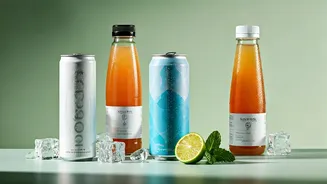
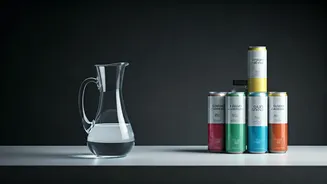
Let's be honest: these drinks are also incredibly 'fancy.' The branding and aesthetics are a massive part of their appeal. Forget the aggressive, masculine designs of traditional energy drinks. The new functional beverages are dressed in minimalist cans with pastel palettes, elegant fonts, and artful designs. Brands like Recess, with its tagline 'a calm, cool, collected,' have become as much a design object as a beverage. This premium look comes with a premium price, often ranging from $4 to $7 per can. This cost transforms the drink from a simple purchase into a small luxury, an accessible form of self-care. In a world where wellness is a status symbol, carrying a can of a chic functional seltzer sends a specific signal. It says you’re health-conscious, in the know, and willing to invest in your well-being. These aren’t just drinks; they’re lifestyle accessories designed to be photographed and shared.
From Niche Shelves to Global Carts
What began as a niche product found only in Erewhon in Los Angeles or trendy bodegas in Brooklyn has officially hit the mainstream. The functional beverage market is exploding, projected to grow significantly in the coming years. You can now find multi-packs of these drinks in the aisles of national retailers like Target, Whole Foods, and Kroger. This signals a shift from an early-adopter trend to a durable consumer category. And it’s not just a U.S. phenomenon. The 'global' part of the headline is coming true as American brands expand into Europe and Asia, while international markets develop their own local versions. The ultimate validation? The big beverage conglomerates are taking notice. Companies like PepsiCo and Coca-Cola are either acquiring successful startups in the space or launching their own functional lines to capture a piece of this rapidly growing market, proving that the demand for drinks that do more is here to stay.