




The Freedom of Traveling Light
The principle of traveling light is less about deprivation and more about liberation. Imagine gliding through a crowded train station while others drag bulky suitcases, or easily fitting your single bag into a tiny European rental car. This is the tangible
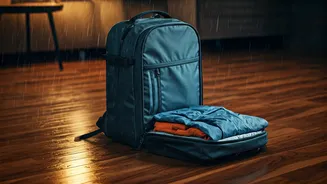
reward. But the real benefit is mental. A lighter bag means a lighter mind. With fewer items to track, manage, secure, and repack, you free up precious cognitive energy to focus on the world around you. Overpacking is an act of anxiety. We pack for every worst-case scenario, hedging against a future that rarely materializes. In contrast, packing light is an act of confidence. It’s a declaration that you are resourceful enough to handle what comes your way, whether that means washing a shirt in a hotel sink or buying a forgotten item locally—an experience that often leads to its own small, memorable adventure. Choosing to carry less is choosing to experience more, replacing the burden of 'what if' with the freedom of 'what is.' You become a participant in your journey, not just a manager of your possessions.
The Strategy of Packing Smart
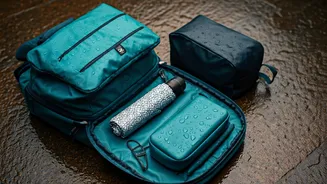
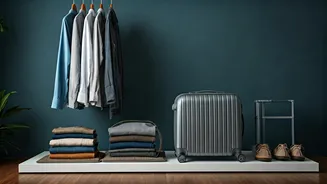
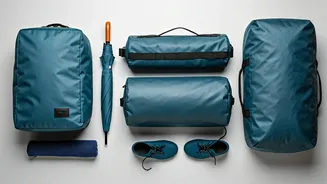
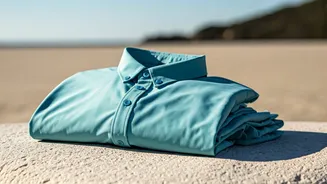
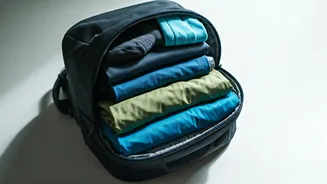
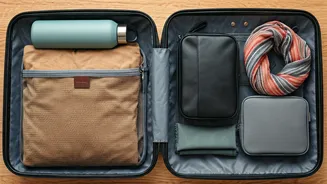
Traveling light is the goal; packing smart is the method. This isn't about tossing a few things in a bag and hoping for the best. It's a deliberate strategy that relies on versatility and organization. First, adopt the 'capsule wardrobe' concept. Pick a neutral color palette (think navy, gray, black, beige) where every top works with every bottom. This multiplies your outfit combinations without multiplying your inventory. A few quality pieces are better than a dozen mediocre ones. Focus on fabrics: merino wool is a traveler’s miracle, as it resists odor, wicks moisture, and regulates temperature. A single merino shirt can be worn for days. Second, master the tools of the trade. Packing cubes are non-negotiable. They compress clothing and transform your suitcase from a chaotic pile into a set of organized drawers. Use one for tops, one for bottoms, and another for underwear and socks. Decant all your liquids into travel-sized, leak-proof containers; solid toiletries like shampoo bars and toothpaste tabs are even better, saving space and eliminating the risk of spills. Finally, live by the three-shoe rule: one pair of comfortable, all-day walking shoes, one slightly dressier option for evenings, and one situational pair like sandals or waterproof boots. This disciplined approach ensures you have everything you need, and nothing you don’t.
The Wisdom of Respecting the Rain
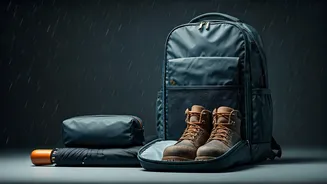
This final piece of the philosophy moves from the practical to the profound. 'Respecting the rain' is about preparing for imperfection and, more importantly, embracing it. On a physical level, it’s simple: pack a high-quality, lightweight, waterproof rain jacket. Not a flimsy poncho that will tear in the first gust of wind, but a reliable shell that can be layered over a sweater. It’s one of the most versatile items you can own. On a mental level, however, it’s a mindset shift. Rain on vacation can feel like a personal betrayal. But instead of seeing a downpour as a ruined day, see it as a redirected one. This is your chance to explore that little museum you might have otherwise skipped, to spend three hours in a cozy cafe with a book and a pastry, or to see a familiar landmark transformed by moody skies and glistening streets. Great travel isn't about having perfectly sunny weather; it's about finding joy in the reality of the moment. By planning for rain, you strip it of its power to disappoint. You learn to bend with the world instead of trying to bend it to your will, which is the ultimate form of travel freedom.