


The Cheesecake Gets a Glow-Up
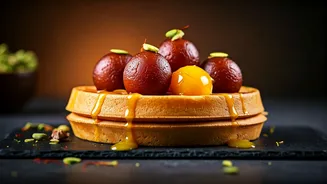
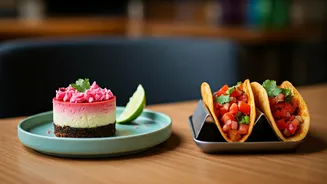
Let’s start with dessert, the final frontier of fusion. Take the gulab jamun cheesecake. For years, gulab jamun—syrup-soaked dough balls of fried milk solids—was a beloved, if predictable, fixture at Desi celebrations. Now, it’s being deconstructed, nestled
into a creamy cheesecake base, and crowned with pistachios and rose petals. It’s a brilliant idea, blending the tangy smoothness of cheesecake with the rich, aromatic sweetness of a South Asian classic. You can find it in trendy bakeries from New Jersey to California and all over Instagram. It’s the poster child for this new wave: familiar enough to be comforting, but different enough to feel like an exciting discovery. This isn't just about mixing two desserts; it's about claiming a place for Desi flavors within the established canon of Western pastry.
When a Dosa Becomes a Taco
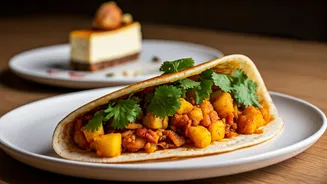
The dosa, a crispy, savory crepe made from fermented rice and lentil batter, is a South Indian masterpiece. Traditionally filled with spiced potatoes and served with sambar and chutneys, it’s a self-contained meal. But now, it’s being folded like a taco and stuffed with everything from paneer tikka to pulled pork. The 'dosa taco' or 'dosaco' is a perfect example of form-follows-function innovation. It makes the dosa more portable, more casual, and frankly, more approachable for an audience unfamiliar with the etiquette of tearing and dipping. Some purists may scoff, but this adaptation is a testament to the versatility of Desi staples. It’s a conversation between cultures, held in the universal language of handheld street food.
The Leftover Hack Goes Pro
Here’s the part of the story that elicits a knowing nod from anyone who grew up in a Desi household: the art of the leftover. The roti quesadilla, or 'roti-dilla,' is perhaps the prime exhibit. For generations, South Asian moms and thrifty college students have been sandwiching leftover sabzi (vegetable curry) and a slice of cheese between two rotis and crisping it up on a pan. It was a quick, delicious, and deeply practical meal. Today, you'll see it on brunch menus, sometimes rebranded as a 'spiced Indian flatbread melt.' The 'official' recognition is both validating and a little amusing. It’s the culinary equivalent of a band you loved in high school finally getting radio play. You’re happy for their success, but you can’t help but think, 'I knew them when.'
Pani Puri, But Make It a Party
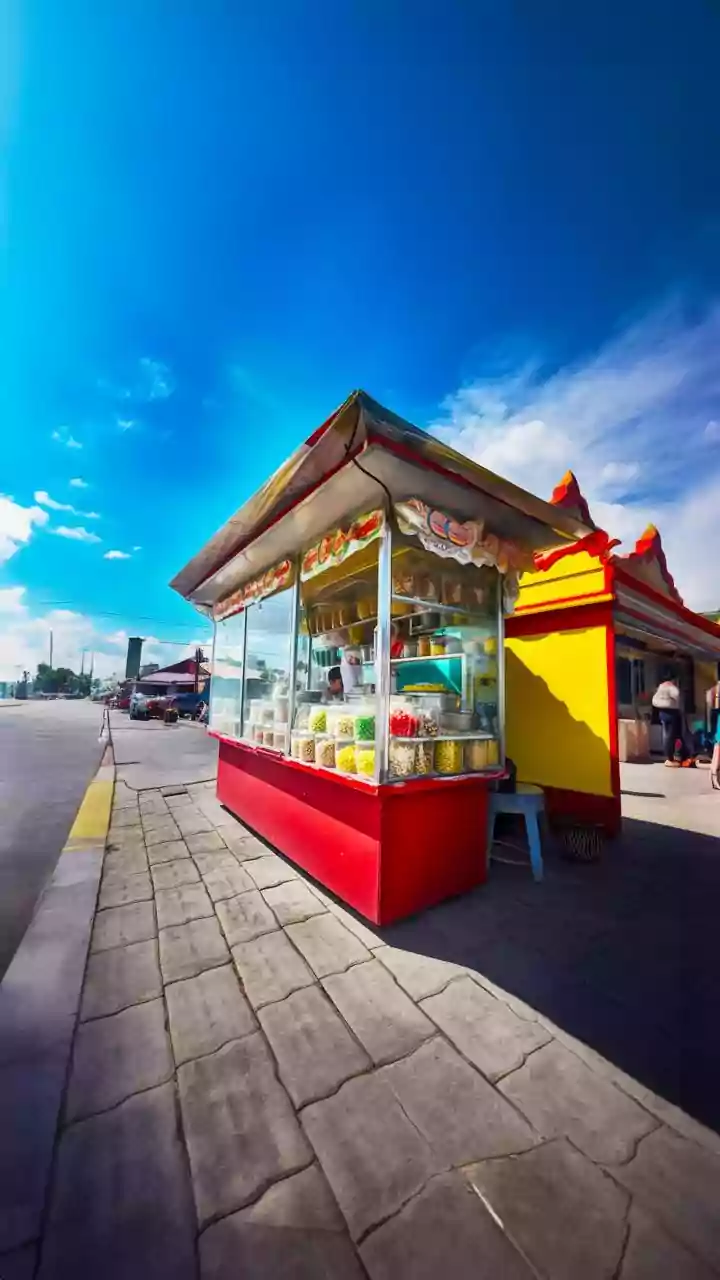
Pani puri (or golgappa, or phuchka, depending on the region) is the undisputed king of Indian street snacks. These small, hollow, crispy shells are filled with spiced potatoes and chickpeas, then dunked in tangy, herby water and eaten in one explosive bite. The modern twist? Replacing that water with something a little stronger. 'Vodka pani puri' has become a staple at Desi weddings and hip cocktail bars. It transforms the snack from a quick street-side treat into a playful, interactive party starter. This isn't about deep culinary fusion; it's about joy and irreverence. It’s the second and third generation of the diaspora taking ownership of their culture, respecting the tradition but not being afraid to have fun with it.