




The End of 'No Pain, No Gain'
For decades, the dominant fitness narrative was one of conquering. It was about pushing through pain, crushing goals, and treating your body like a machine to be optimized. High-intensity interval training (HIIT), punishing bootcamps, and extreme diets
were lionized as the only paths to 'real' results. But after years of collective burnout, further amplified by a global pandemic that forced a re-evaluation of what health truly means, that mindset is beginning to crumble. We are witnessing a mass rejection of the 'all or nothing' approach. People are tired of exercise feeling like a punishment or another stressful item on an already overflowing to-do list. The new focus isn't on how hard you can go for 60 minutes, but on what kind of movement you can happily incorporate into your life for the next 60 months. It’s a profound shift from aesthetic-driven performance to holistic well-being.
What 'Sustainable' Actually Means
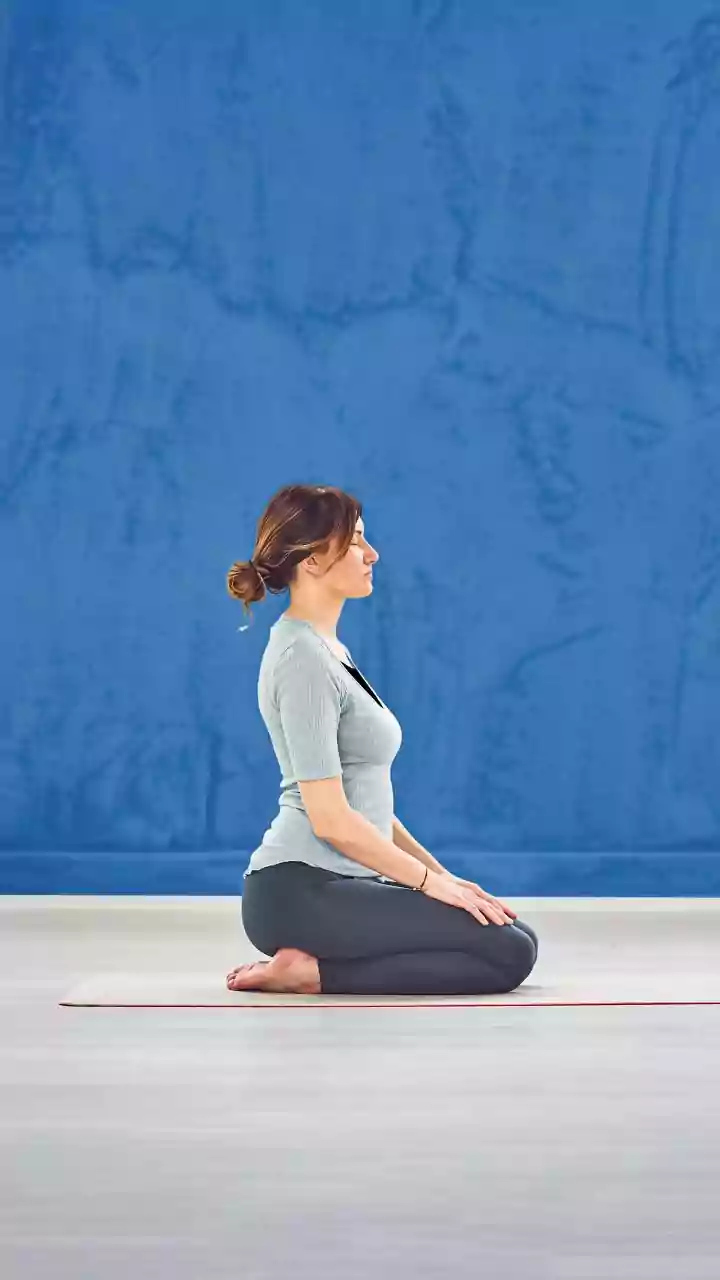
Sustainable fitness isn't about being lazy; it's about being smart and consistent. It prioritizes low-impact activities that are gentle on the joints and nervous system, making them easier to perform regularly without risking injury or exhaustion. This is the world of 'cozy cardio,' 'soft workouts,' and mindful movement. Instead of a brutal pre-dawn run, it might be a brisk 30-minute walk while listening to a podcast. Instead of a high-intensity class that leaves you sore for days, it could be a session of yoga, Pilates, or swimming. The key metric is no longer calories burned or reps completed, but rather consistency and enjoyment. The best workout, according to this new philosophy, is the one you’ll actually do tomorrow, and the day after that.
Focus on Joyful Movement
A crucial element of this trend is the reclamation of joy in physical activity. For too long, exercise was framed as a chore—the price to be paid for a weekend indulgence or to fit into a certain size. Sustainable fitness flips that script by encouraging people to find activities they genuinely love. This could mean anything from joining a recreational sports league to taking dance classes, hiking with friends, or even vigorous gardening. When movement is tied to pleasure, community, or a sense of play, it ceases to be a discipline you must force upon yourself. It becomes a rewarding part of your life that you look forward to. This mental shift is what transforms exercise from a short-term project into a lifelong habit.
How to Build Your Own Sustainable Routine
Adopting a sustainable fitness habit doesn't require a radical overhaul. It’s about making small, intentional adjustments. Start by redefining what 'counts' as a workout. A 15-minute walk, a gentle stretching session before bed, or taking the stairs instead of the elevator are all valid forms of movement. Next, focus on 'habit stacking'—linking your new fitness habit to an existing one. For example, do 10 minutes of stretching right after you brush your teeth in the morning. Crucially, listen to your body. Some days you'll have more energy than others. On low-energy days, don't skip movement entirely; simply scale it back to something gentler. The goal is to show up for yourself in some small way, every day, rather than in a huge way once a week.
Tech is Adapting, Too
The fitness technology industry is taking notice of this cultural shift. While early fitness trackers were obsessed with hitting 10,000 steps and closing activity rings at all costs, the new generation of wearables and apps is far more nuanced. Many now include 'readiness' or 'recovery' scores, which analyze sleep and heart rate variability to advise you whether to push hard or take it easy. They offer guided meditations, gentle yoga flows, and walking workouts, placing them on equal footing with their high-intensity counterparts. This data-driven permission to rest and recover is a powerful tool in building a truly sustainable practice, reinforcing the idea that rest isn't laziness—it's a critical component of long-term fitness.