





The Universal Green-Thumb Challenge
The headline might point to India, where urban gardeners in cities like Delhi or Bangalore contend with everything from mischievous monkeys to stray cats, but the problem is global. In the U.S., the "animal risk" might be your own curious golden retriever,
a neighborhood cat, or the deer that see your garden as a personal buffet. The desire is the same: to enjoy the beauty and air-purifying benefits of plants without worrying about a sick pet or a destroyed flowerbed. The solution isn't to give up on greenery; it's to get smarter about what you plant and how you plant it. This means choosing flora that is non-toxic, unappealing to pests, or simply placed out of reach.
Gorgeous Greens That Won't Harm Pets
Creating a pet-safe indoor jungle is easier than you think. Many popular and beautiful houseplants are completely non-toxic to cats and dogs, according to the ASPCA. If a curious snout or paw investigates, the worst you'll have is a bit of a mess.
- **Spider Plant (Chlorophytum comosum):** This retro classic is making a huge comeback. It's incredibly resilient, a fantastic air purifier, and completely safe for pets. Its dangling "spiderettes" are fun for cats to bat at but won't cause harm if chewed.
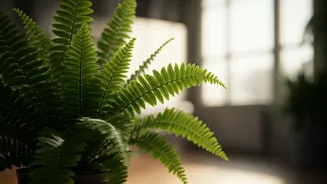
- **Boston Fern (Nephrolepis exaltata):** With its lush, feathery fronds, the Boston Fern adds a touch of Victorian elegance. It loves humidity and indirect light, making it perfect for a bathroom, and it’s totally safe for all your furry friends.
- **Calathea (Prayer Plant family):** Known for their stunning, patterned leaves that often fold up at night, Calatheas are a vibrant and non-toxic choice. They require a bit more care in terms of humidity but reward you with unparalleled beauty.
Hardy Choices for Outdoor Spaces
When you're gardening outdoors, you're dealing with both domestic pets and local wildlife. The key is to choose plants that are either uninteresting or actively repellent to most animals.
- **Marigolds (Tagetes):** These cheerful, sunny flowers are a classic for a reason. Their strong, pungent scent is known to deter everything from nematodes in the soil to rabbits and deer above ground. They are also generally considered non-toxic to dogs.
- **Lavender (Lavandula):** Humans love the calming scent of lavender, but many animals, including deer and rabbits, find it overwhelming. Planting a border of lavender can create a fragrant barrier that protects more tempting plants. Plus, it's a beautiful, drought-tolerant addition to any garden.
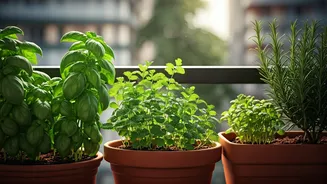
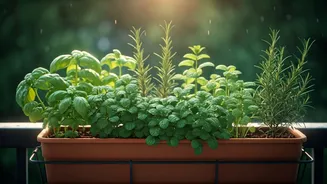
- **Rosemary (Salvia rosmarinus):** This woody, aromatic herb is another scent-based deterrent. Its strong fragrance and needle-like leaves make it unappealing for most foraging animals to munch on. It's a win-win: you get a pest deterrent and fresh herbs for your kitchen.
Beyond Plants: Smart Garden Layouts
Sometimes the best defense is a good barrier. How you arrange your garden can be as important as what you plant in it. This is especially true when dealing with agile animals like squirrels or physically imposing ones like deer.
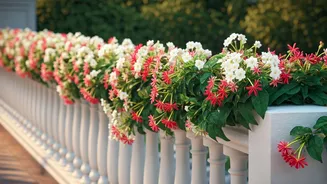
- **Go Vertical:** Hanging planters are a fantastic way to add greenery while keeping plants well out of reach of dogs, small children, and ground-level pests. They are a staple on Indian apartment balconies for this very reason, perfect for trailing plants like pet-safe Hoya or the aforementioned Spider Plant.
- **Embrace Raised Beds:** Building raised garden beds can deter casual grazers like rabbits and make it more difficult for dogs to trample your prized vegetables. It also saves your back from extra bending.
- **Create Gentle Obstacles:** You don't need an electric fence. Sometimes, a simple border of crunchy gravel, thorny rose bushes (placed carefully), or a decorative low fence is enough to suggest to an animal that it should find an easier meal elsewhere.