



The Aromatic Foundation
Every great curry begins with a flavor base. This is the non-negotiable first step that perfumes your kitchen and builds a deep, savory foundation. The classic trio is onion, garlic, and ginger. Start by dicing an onion (any kind will do—yellow, white,
red) and sautéing it in a bit of neutral oil or ghee over medium heat until it softens and turns translucent, about 5–7 minutes. This isn't just about cooking the onion; it's about coaxing out its sweetness. Once the onion is soft, add minced garlic and grated ginger. Cook for just another minute until they become incredibly fragrant. Be careful not to burn the garlic, which can turn bitter. This simple, aromatic start is the difference between a flat dish and one that tastes like it has been simmering for hours.
The Spice Strategy
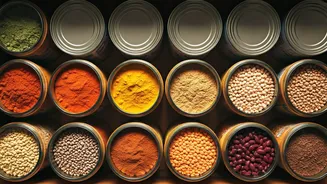
Now it’s time to bloom your spices. Adding them to the hot oil with the aromatics unlocks their essential oils and deepens their flavor exponentially. This is where the 'pantry' part really shines. You don’t need a suitcase of rare seasonings. A good quality curry powder is a fantastic, all-in-one shortcut. A tablespoon or two, stirred into the aromatics and cooked for 30 seconds, works wonders. Want to build your own blend? A teaspoon each of cumin, coriander, and turmeric is a classic, bulletproof combination. A pinch of cayenne or red pepper flakes adds heat. A tablespoon of tomato paste at this stage can also add a layer of umami-rich depth and a beautiful color. The key is to toast the spices briefly before adding any liquid; it's a small step with a massive payoff.
The Creamy Core
With your flavor base established, it’s time to create the sauce. This is what transforms your pot of spices and aromatics into a true curry. The ultimate pantry hero here is a can of full-fat coconut milk. It provides richness, a subtle sweetness, and a luscious, creamy texture that ties everything together. Simply pour it in and stir to combine with the spiced aromatics. Other excellent options include a can of crushed or diced tomatoes (which will create a tangier, more vibrant base), a generous dollop of plain yogurt (stirred in off the heat at the end to prevent curdling), or even just some chicken or vegetable broth for a lighter, more soup-like consistency. Let this liquid simmer gently for a few minutes to allow the flavors to meld.
The Hearty Centerpiece
Your curry is now a blank canvas, ready for the main event. This is where you can get creative and use whatever you have on hand. Canned chickpeas or lentils are the undisputed champions of pantry protein. Just rinse, drain, and add them to the simmering sauce. They’re hearty, healthy, and ready in minutes. Frozen vegetables are another weeknight savior; a cup of frozen peas, corn, or spinach can be stirred in during the last few minutes of cooking. Have some leftover roasted chicken or a block of tofu? Cube it and throw it in. Even hardy fresh vegetables like cubed potatoes, sweet potatoes, or carrots work beautifully—just add them with the liquid and simmer until tender.
The Finishing Touches
This final step takes your curry from 'good' to 'great.' Most curries benefit from a bright, acidic lift to cut through the richness. A generous squeeze of fresh lime or lemon juice stirred in right before serving works wonders. It wakes up all the other flavors. Next, consider texture and freshness. A handful of fresh cilantro or parsley adds a burst of green, herbaceous flavor. Toasted nuts, seeds, or a dollop of plain yogurt can provide a cooling contrast and a welcome crunch. Taste your curry one last time. Does it need more salt? A pinch more sugar to balance the acid? This is your chance to perfect the balance before ladling it over rice or serving with warm naan, transforming a simple pantry meal into a weeknight triumph.