




The Apartment Lighting Challenge
You bring home a beautiful fiddle-leaf fig or a vibrant monstera, placing it in the brightest spot you can find. A few weeks later, its leaves are yellowing, drooping, or stubbornly refusing to grow. Sound familiar? The culprit is often inconsistent or inadequate
light. Most apartments, especially in dense urban areas, simply don't get the 6-8 hours of consistent, bright, indirect sunlight that many popular houseplants crave. Seasons change, work schedules are erratic, and remembering to move a plant to chase the sun is a chore few can keep up with. This light deficiency stresses the plant, stunts its growth, and makes it more vulnerable to pests and diseases. It’s not your fault—it’s an architectural reality.
Your Automated Sunshine Solution
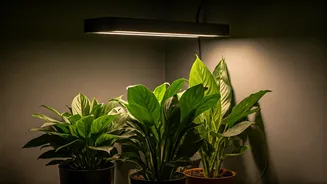
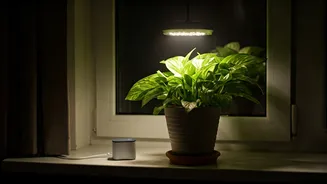
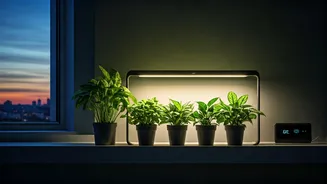
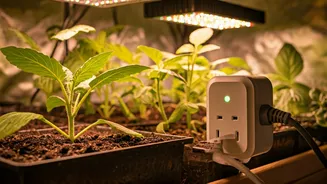
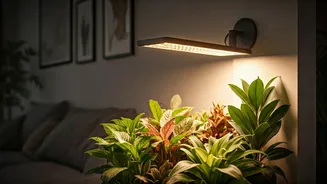
This is where technology offers a surprisingly elegant fix. The perfect plant-saving duo for apartment life is a grow light paired with a smart plug timer. A grow light provides the full-spectrum light that plants need for photosynthesis, effectively acting as a stand-in for the sun. But leaving it on 24/7 can be just as harmful as not giving a plant enough light. Plants, like people, need a period of rest and darkness to properly metabolize. The smart plug is the brain of the operation. It plugs into your wall outlet, and the grow light plugs into it. Using a simple smartphone app, you can program a precise, automated schedule, ensuring your plants get the perfect amount of 'sunshine' every single day, whether you're home, at work, or on vacation. You set it once and forget it.
Choosing the Right Grow Light
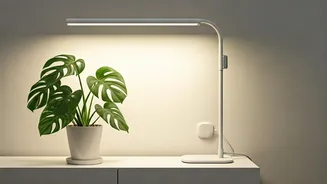
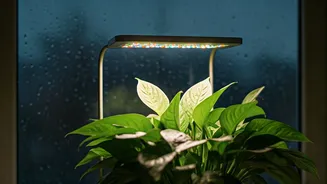
The term 'grow light' might conjure images of industrial-sized setups, but the market is now full of apartment-friendly options. For most indoor gardeners, a full-spectrum LED light is the best choice. They are energy-efficient, produce very little heat (so they won't scorch your plant's leaves), and are available in various forms. You can find single bulbs that screw into any standard lamp fixture, clip-on lamps that attach directly to a shelf or table, and even sleek, minimalist standing lamps designed to blend in with your decor. When shopping, look for terms like 'full-spectrum' or check the light's color temperature, which is measured in Kelvins (K). A light in the 5000K to 6500K range mimics natural daylight and is ideal for leafy growth.
Finding a Simple, Reliable Smart Plug
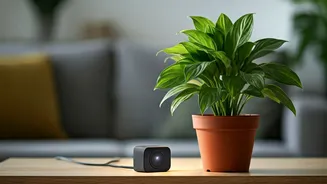
The smart plug is the easier half of the equation. You don't need a high-end, feature-packed model. The most important feature is a reliable scheduling function that’s easy to control via an app. Look for well-known brands like Kasa (by TP-Link), Wyze, or Meross, which offer affordable, user-friendly options. Setup typically involves plugging in the device, downloading the companion app, and connecting the plug to your home's Wi-Fi network. From there, you can create daily or weekly schedules. For instance, you could program your grow light to turn on at 8 a.m. and turn off at 6 p.m., giving your plants a consistent 10-hour day. Some apps even offer a 'vacation mode' that can randomize the schedule slightly to simulate natural variations.
Creating the Perfect Light Schedule
Not all plants have the same needs. A desert native like a succulent requires more intense light for a longer duration than a shade-loving fern from a tropical understory. A good starting point for most common houseplants (like pothos, snake plants, and monsteras) is 10 to 12 hours of supplemental light per day. For plants that demand high light, such as succulents, cacti, or flowering varieties, you may need to increase that to 14 to 16 hours. The key is to observe your plant. If the leaves start to look 'bleached' or develop brown, crispy spots, the light might be too intense or too close. If it continues to look leggy and pale, it may need more hours of light. The beauty of the smart plug is that adjusting the schedule takes only a few taps on your phone, allowing you to fine-tune your setup until your plant is visibly thriving.