


1. Secure Your Essentials in Waterproof Bags
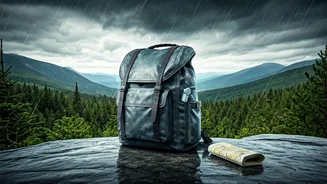
Imagine this: you're pulled over in a torrential storm with a flat tire, and you need your insurance card and registration. The last thing you want is to pull a soggy, unreadable paper mash from your glove compartment. This is where waterproof bags—or
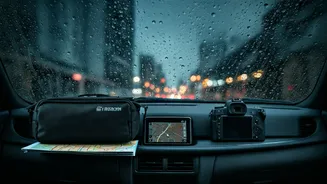
even simple, heavy-duty zip-top bags—become invaluable. Store your vehicle’s documents, your driver’s license, a copy of your insurance, and emergency contact information inside one. Have a separate, larger dry bag for your personal electronics, like a phone, a backup power bank, and charging cables. In a worst-case scenario involving a leak or even a flood, keeping these items dry and functional can be the difference between a minor inconvenience and a major crisis.
2. Rethink Your Navigation Strategy
We all rely on our phone’s GPS, but a severe storm can knock out cell service, drain your battery, or lead you directly into a flooded area that hasn’t been updated on the map yet. The “Maps” in rainy drive basics means having a multi-layered approach. First, before you leave, download offline maps of your route and potential detours via your preferred app. Second, and this may feel old-school, keep a physical road atlas in your car. It requires no power, has no loading screen, and provides a big-picture view that digital maps often hide. It’s the ultimate analog backup for when your tech inevitably fails you at the worst possible moment.
3. Activate and Understand Weather Alerts
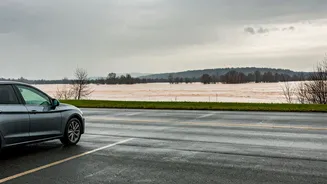
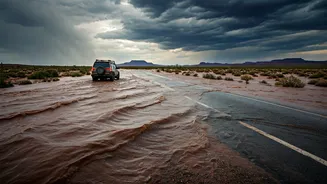
The most dangerous parts of a rainy drive are often the ones you don't see coming. Modern weather alerts are your proactive defense. Ensure your smartphone has Wireless Emergency Alerts (WEA) enabled. These government-issued warnings are location-specific and can warn you of imminent threats like flash floods or tornadoes without you needing to have an app open. It’s also wise to have a dedicated weather app (like from the a major weather service or a local news station) with push notifications for lightning and precipitation. Crucially, understand the difference between a “watch” (conditions are favorable for a hazard) and a “warning” (a hazard is imminent or occurring). A Flash Flood Warning means you should never, under any circumstances, drive through standing water.
4. Check Your Tires and Wipers
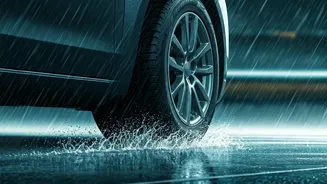
The most sophisticated gear in the world won’t help if your car itself isn't ready for rain. Your tires are your only connection to the road. Before the rainy season, check your tire pressure and tread depth. A simple trick is the penny test: place a penny head-down into the tread; if you can see all of Abraham Lincoln's head, your treads are dangerously shallow and it's time for new tires. Equally important are your windshield wipers. If they are smearing, skipping, or squeaking, replace them immediately. Good wipers are essential for maintaining visibility, and a new pair is one of the cheapest, most effective safety upgrades you can make.
5. Master the Art of Driving in Rain
Beyond gear, your driving habits must change with the weather. The single most important adjustment is to slow down. Speed limits are designed for ideal conditions, not slick asphalt. Increasing your following distance to at least five or six seconds behind the car in front of you provides a crucial buffer for braking. Avoid using cruise control, as it can prevent you from sensing hydroplaning—when your tires lose contact with the road surface. If you do start to hydroplane, ease your foot off the gas and steer straight until you feel the tires regain traction. Avoid sudden braking or sharp turns.
6. Assemble a 'See and Be Seen' Kit
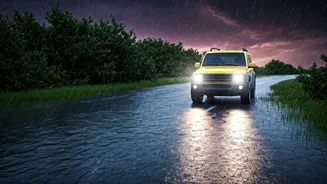
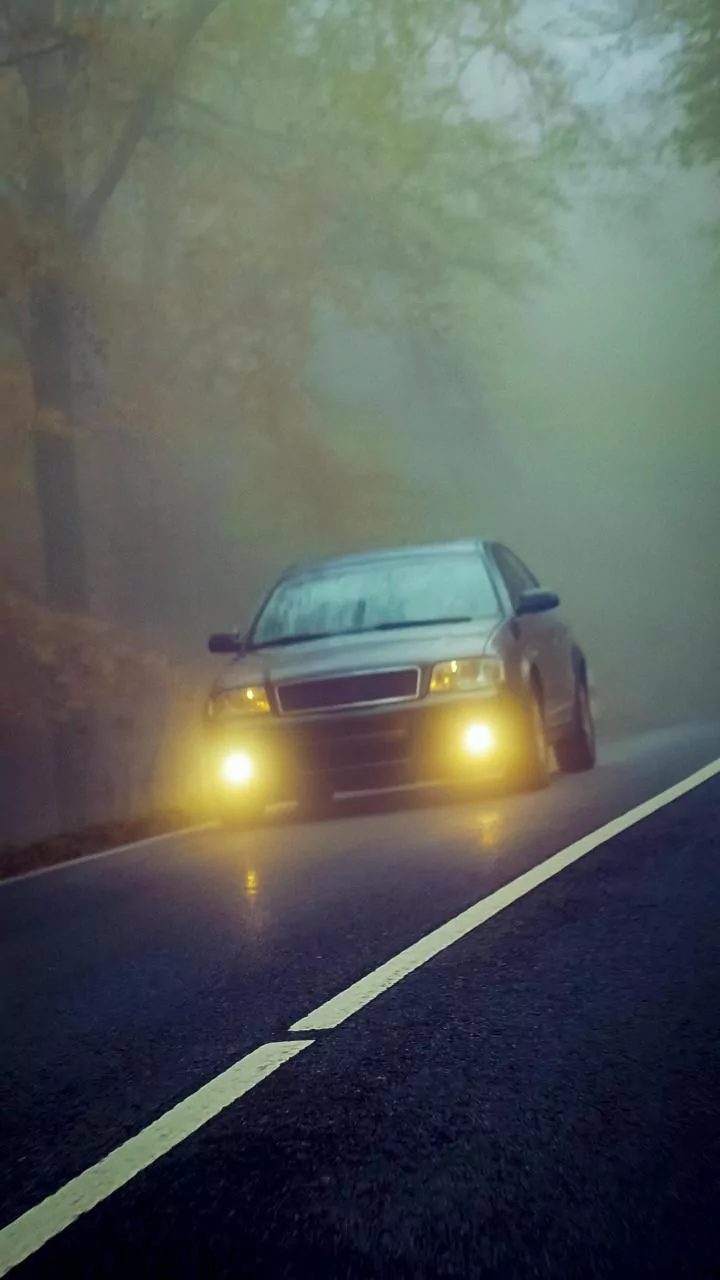
In a low-visibility downpour, being seen by other drivers is as important as your own ability to see. Most states have laws requiring headlights to be on when wipers are in use—it's a smart rule to follow everywhere. But what if you have to pull over? Your emergency kit should include items to make you visible. A set of reflective triangles or flares, a high-visibility safety vest, and a powerful, waterproof flashlight are non-negotiable. These tools ensure that even on a dark, stormy roadside, other drivers can see you and give you a wide berth, protecting you while you wait for help or fix a problem.