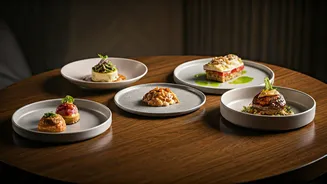

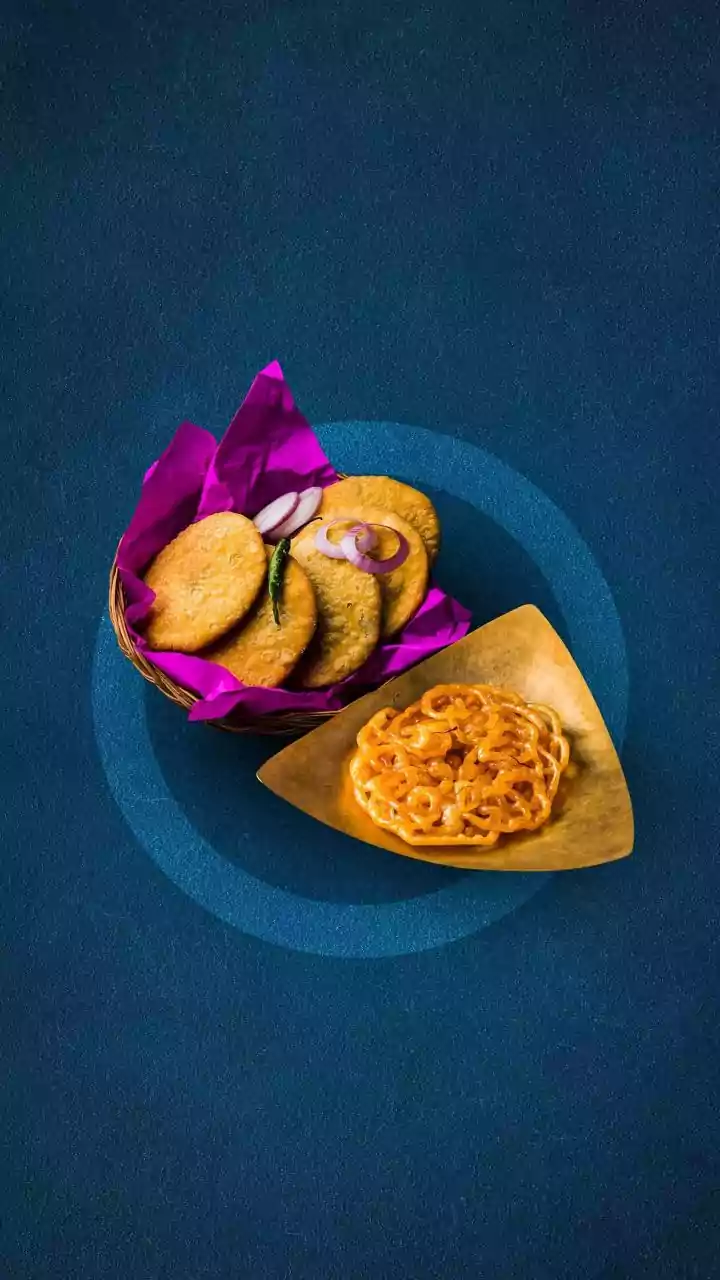
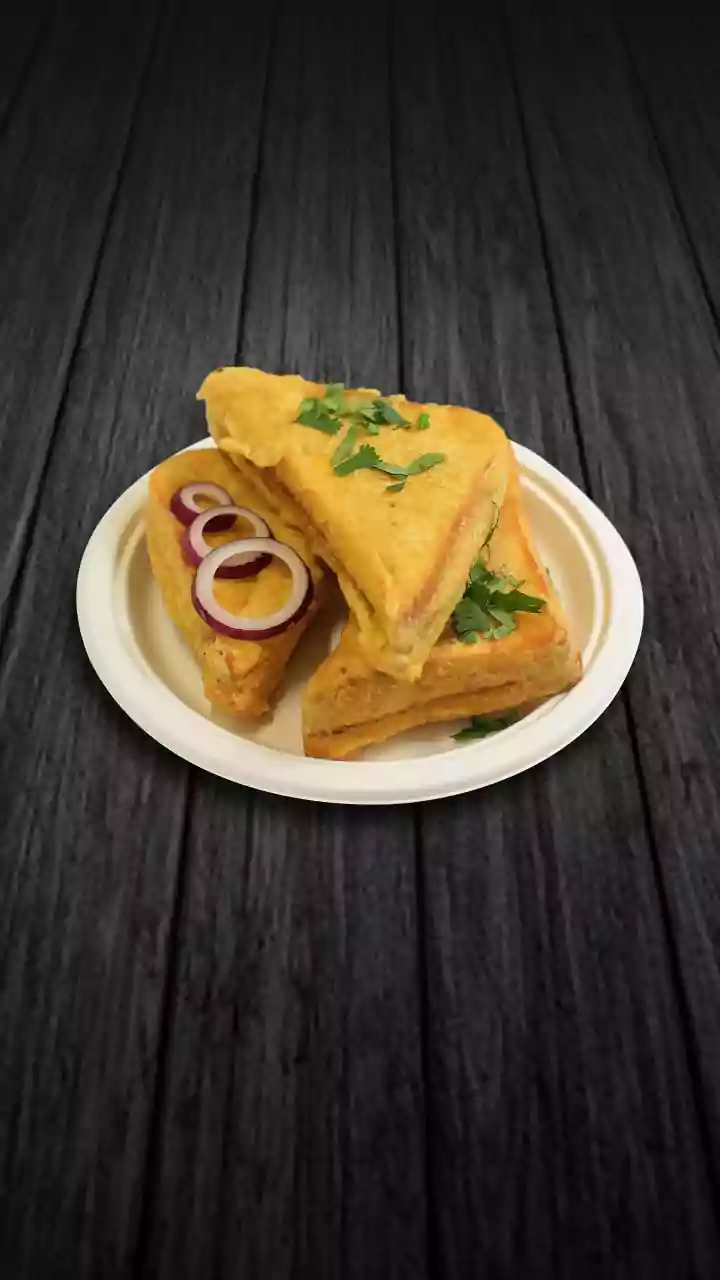
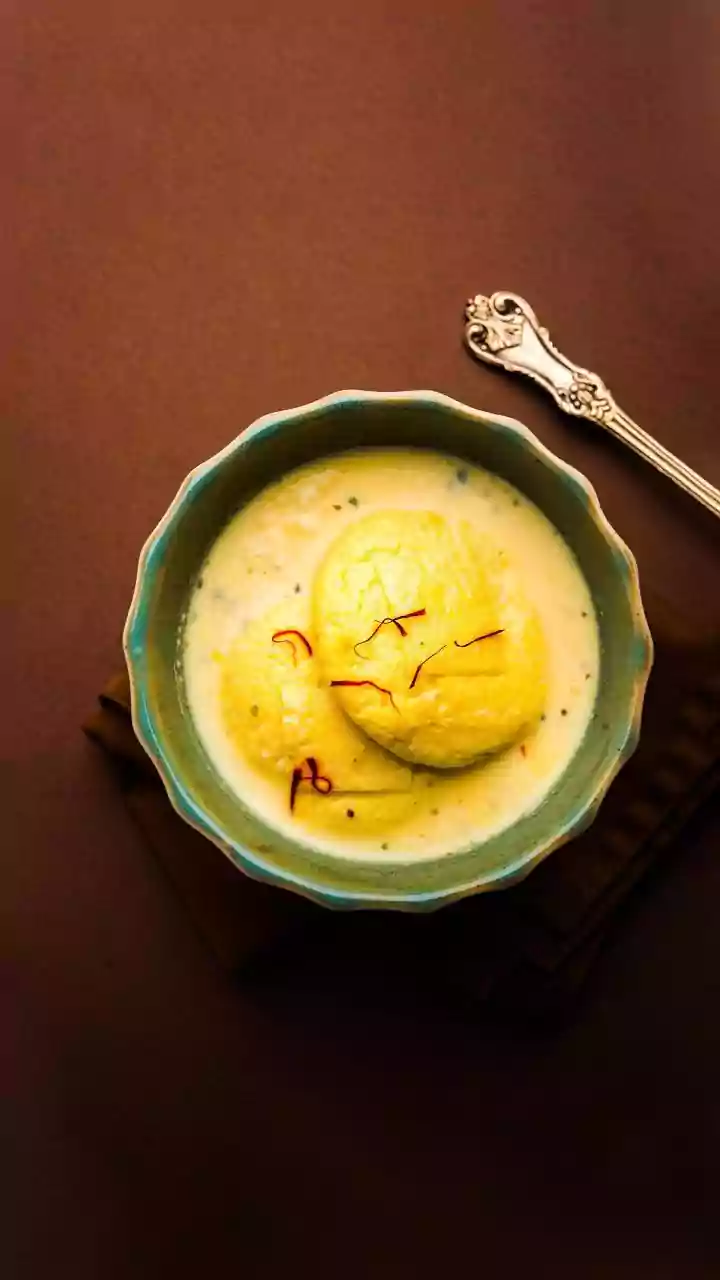


The Problem with One Perfect Plate
We’ve all been there, staring at a menu like it’s a high-stakes exam. Do you go for the safe bet or the exciting risk? The seared scallops sound incredible, but what if the braised short rib is the real star? You make your choice, a single commitment
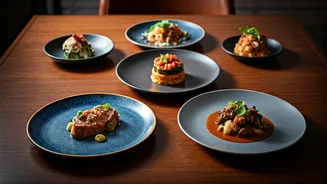
for the next 45 minutes of your life. Then, it arrives. Maybe it’s great. Or maybe you watch as your friend’s dish—the one you almost ordered—lands on the table, looking and smelling like everything you’ve ever wanted. This is the inherent flaw in the appetizer-main-dessert model: it’s built on commitment and risk, not exploration and delight. It forces a single narrative onto your evening, when what you really crave is a story with more characters and plot twists.
The Science of Delicious Decisions
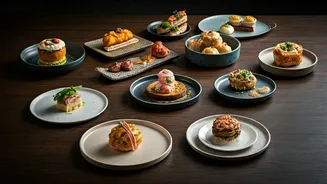
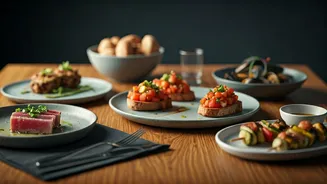
Our brains are wired for variety. There’s a concept known as “sensory-specific satiety,” which is a fancy way of saying we get bored of tasting the same thing over and over again. Your palate gets tired of one flavor profile long before your stomach is actually full. That’s why there’s always “room for dessert”—it offers a completely new sensory experience. A meal composed of four (or more) different dishes hacks this system for maximum enjoyment. Each plate reawakens your taste buds. A bite of a salty, savory tapa is followed by something bright and acidic. A creamy dip gives way to a crispy fried morsel. It’s a constant dance of discovery, keeping your palate engaged and your satisfaction high from the first bite to the last.
A Global Tradition of Abundance
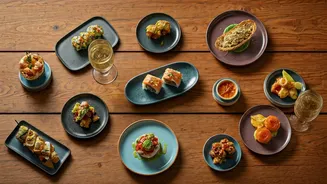
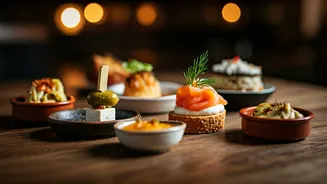
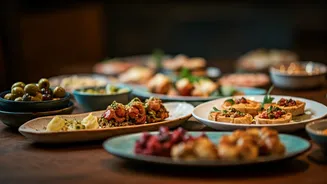
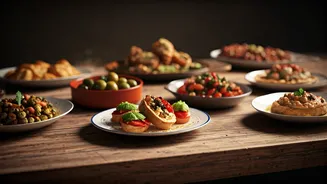
This isn’t some newfangled foodie trend; it’s ancient wisdom. All around the world, cultures have long understood the magic of the multi-dish meal. In Spain, tapas aren’t just snacks; they’re a way of life, turning a simple drink into a rambling, delicious journey from one small plate to the next. In Greece and the Levant, meze spreads cover the table with a mosaic of dips, grilled meats, and fresh vegetables. In Korea, every main course arrives with its entourage of banchan—an array of complimentary side dishes offering pockets of kimchi, pickled radishes, and seasoned greens. And in Chinese culinary tradition, dim sum turns brunch into a parade of steamed, fried, and baked delights delivered via roving carts. These traditions all share a core belief: food is better when it’s shared, varied, and plentiful.
Eating as a Team Sport
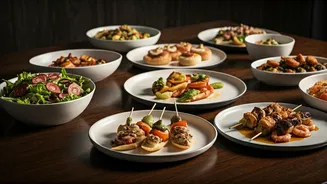
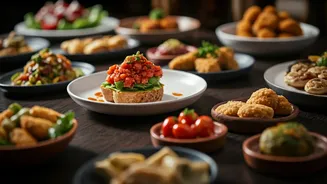
Perhaps the greatest argument for the multi-dish meal is that it fundamentally changes the social dynamic of the table. A single entrée is an individual pursuit. You are on your own culinary island. But when the table is covered in shared plates, the meal becomes a communal act. It forces interaction. “Have you tried this?” “You have to get a bite of the croquettes.” “Pass the hummus, please.” You talk about the food, you point, you reach, you share. The meal slows down, becoming less about the efficient act of consumption and more about the pleasure of connection. It’s collaborative eating. You build the meal together, one plate at a time, creating a shared experience that’s far more memorable than any single, isolated steak.