



A True Himalayan Eden
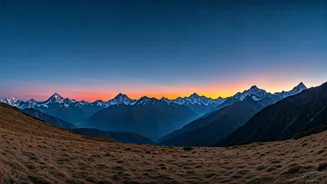
Tucked away in the Garhwal Himalayas of Uttarakhand, India, the Valley of Flowers National Park is a place of legend and staggering beauty. A UNESCO World Heritage Site, this alpine meadow is inaccessible for most of the year, buried under a thick blanket
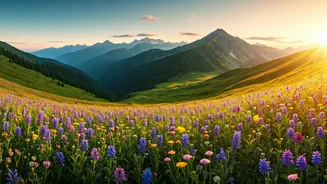
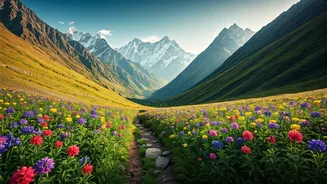
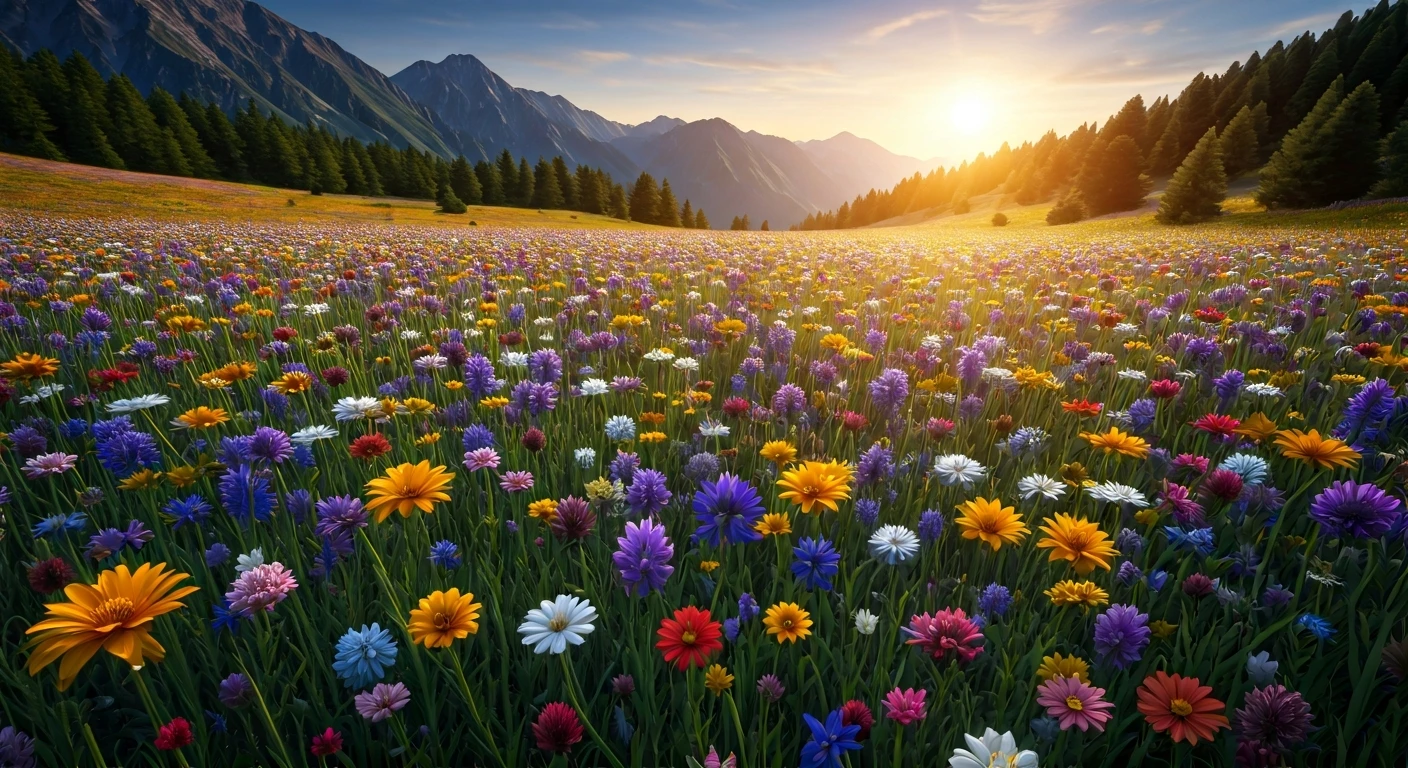
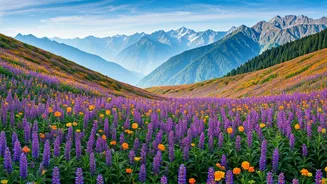
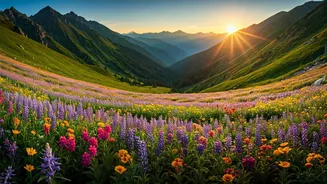
of snow. But from June to early October, it undergoes a spectacular transformation. As the snow melts, the valley floor erupts in a riot of color, with hundreds of species of wildflowers creating a vibrant tapestry against a backdrop of snow-capped peaks. This isn't your average botanical garden; it's a wild, raw, and protected ecosystem teeming with rare flora like the Brahma Kamal, blue poppy, and cobra lily.
Why It's a Bucket-List Trek
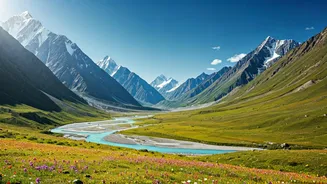
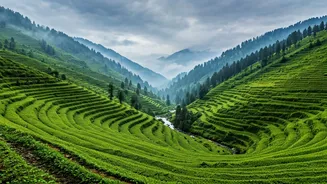
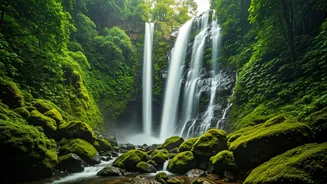
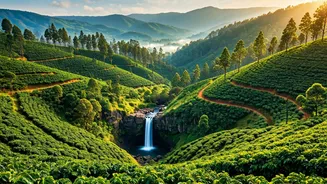
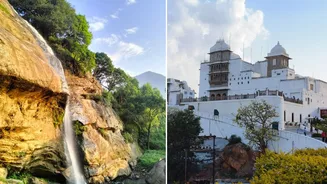
The “spectacular reports” that emerge each season aren’t just about the flowers; they’re about the entire experience. Unlike destinations you can drive up to, the Valley of Flowers demands effort. Reaching it requires a multi-day trek, making the final reveal all the more rewarding. The journey fosters a sense of accomplishment and a deeper connection to the landscape. For many visitors, the trek is a meditative experience, walking through dense forests, alongside the roaring Pushpawati River, and past cascading waterfalls. It’s a chance to disconnect from the digital world and immerse yourself in one of the planet’s most pristine natural settings. The air is crisp, the views are monumental, and the sense of peace is profound.
The Journey Is the Destination
Getting to the Valley is an adventure in itself. The journey typically begins from the bustling town of Rishikesh, the ‘Yoga Capital of the World.’ From there, it's a long, scenic drive up winding mountain roads to Govindghat. This is where the trek officially starts. The first leg is a roughly 8-mile trek to the small village of Ghangaria, which serves as the base camp for visitors. While you can hire a pony or a porter, walking the path is the classic experience. After a night in Ghangaria, you’ll complete the final, shorter trek (about 2 miles) into the valley itself. The trail is well-defined but can be challenging due to the altitude, which climbs to over 11,500 feet. Proper acclimatization isn't just recommended; it's essential for a safe and enjoyable trip.
Planning Your 2026 Expedition
A successful trip to the Valley of Flowers is all about timing and logistics, which is why planning for a 2026 visit should start now. **When to Go:** The park is only open from June to October. For the most spectacular floral display, target mid-July to mid-August. This is peak monsoon season, so expect rain, but it's what fuels the bloom. **Permits and Guides:** All visitors need a permit to enter the national park, which can be obtained at the entrance. While a guide isn't strictly mandatory for the Valley itself, hiring one in Ghangaria is highly recommended. They can point out rare flowers and ensure you stay on the correct trails. **What to Pack:** Prepare for all weather. Bring layers, high-quality waterproof gear (jacket, pants, and hiking boots), sunscreen, a hat, and insect repellent. Trekking poles can be a lifesaver on the steep sections. **Where to Stay:** Accommodation in Ghangaria is basic, consisting of simple guesthouses and a state-run tourist lodge. Don't expect luxury, but you'll find warm hospitality. Book well in advance, especially if you're traveling during peak season.