




First, Understand Your Canvas
Before you buy a single product, get to know your scalp. Just like the skin on your face, your scalp has a “type,” and treating it correctly is the first step. Is it oily, with hair that gets greasy less than 24 hours after washing? Is it dry, often feeling
tight, itchy, or flaky? Or is it sensitive, prone to redness and irritation from new products? You might even have a combination scalp—oily at the roots but with dry patches. Observing how your scalp behaves between washes will guide every other decision you make. Don't just treat the hair; address the skin it grows from.
Cleanse with Purpose
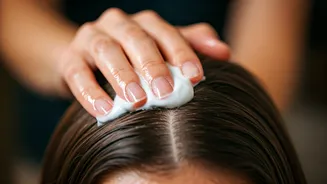
Shampooing isn't just about getting your strands clean; it's about purifying your scalp. Product residue, sweat, natural oils (sebum), and dead skin cells accumulate daily, and if not properly removed, this buildup can clog hair follicles, leading to irritation and even impacting hair growth. When you wash, focus your effort on the scalp. Use the pads of your fingers (never your nails) to gently but firmly massage the shampoo in circular motions across your entire head for at least 60 seconds. This stimulates blood flow and ensures a thorough cleanse. For oily scalps, a clarifying shampoo once a week can be a game-changer. For dry or sensitive scalps, look for sulfate-free formulas with hydrating ingredients like aloe or glycerin.
Exfoliate Weekly, Not Weakly
You exfoliate your face to slough off dead skin and promote cell turnover, and your scalp deserves the same attention. Scalp exfoliation is key to removing stubborn buildup that regular shampooing can miss. There are two main types. Physical exfoliants use fine particles (like sugar or salt) or brushes to manually scrub away debris. Chemical exfoliants use gentle acids, like salicylic acid (a beta-hydroxy acid, or BHA) or glycolic acid (an alpha-hydroxy acid, or AHA), to dissolve the bonds holding dead skin cells together. For most people, once a week is plenty. If you have a sensitive scalp, start with a gentle chemical exfoliant and see how your skin reacts.
Hydrate and Treat
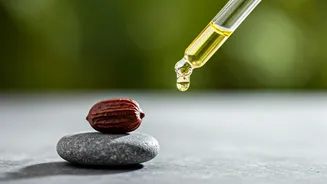
Cleansing and exfoliating can strip moisture, so replenishing it is essential. Think of this step as the “serum” or “moisturizer” phase of your routine. After washing and towel-drying, apply a targeted scalp treatment. For dry scalps, a serum with hyaluronic acid or a nourishing oil like jojoba can provide much-needed hydration. For oily or acne-prone scalps, a lightweight toner with ingredients like tea tree oil or witch hazel can help balance sebum production without causing dryness. For concerns like thinning, look for serums with ingredients known to support follicle health, such as peptides or caffeine. Apply directly to the scalp in sections and gently massage it in.
Protect from Sun and Stress
Finally, protecting your scalp is a daily commitment. The skin on your head is highly susceptible to sun damage, especially along your part line or in areas of thinning. On sunny days, wear a hat or use a powder or spray sunscreen specifically designed for hair and scalp. Beyond the sun, lifestyle factors matter. Chronic stress can increase cortisol levels, which has been linked to hair shedding and scalp inflammation. Incorporating stress-management techniques like mindfulness or regular exercise can have a direct, positive impact on your scalp's health. It’s a holistic approach that pays dividends.