


First, What Is Parama Ekadashi?
In the Hindu lunar calendar, “Ekadashi” refers to the eleventh day of each of the two lunar phases in a month, making it a recurring day of fasting and spiritual reflection dedicated to Lord Vishnu. However, Parama Ekadashi is special. It occurs only
during an “Adhik Maas,” an extra intercalary month that is added to the calendar every few years to keep it aligned with the solar cycle. This rarity makes it an especially auspicious time for devotion, prayer, and, of course, fasting, or “vrat.” While the spiritual goal is purification and devotion, the culinary traditions that have evolved around it are a testament to human ingenuity and the pursuit of deliciousness, even within a specific framework.
The Surprising Rules of the Game
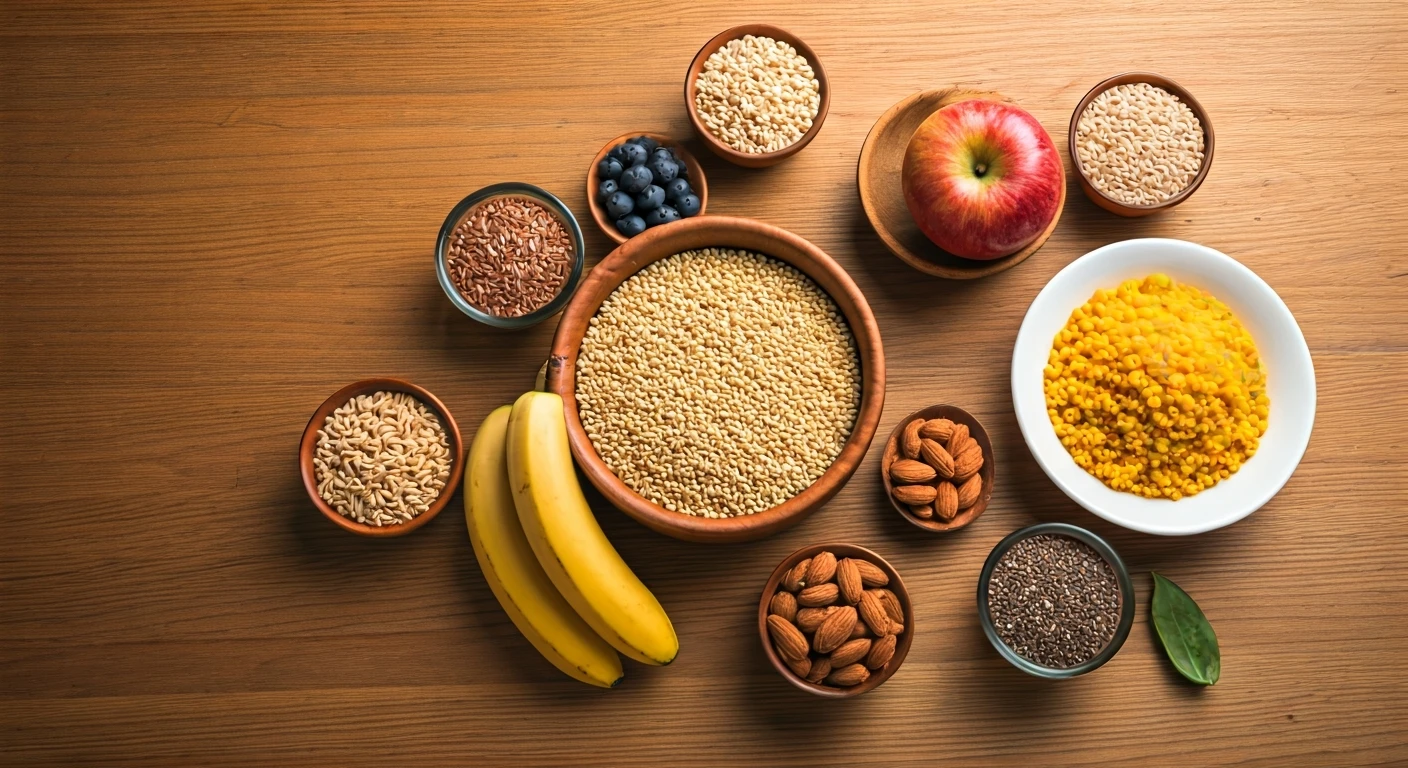
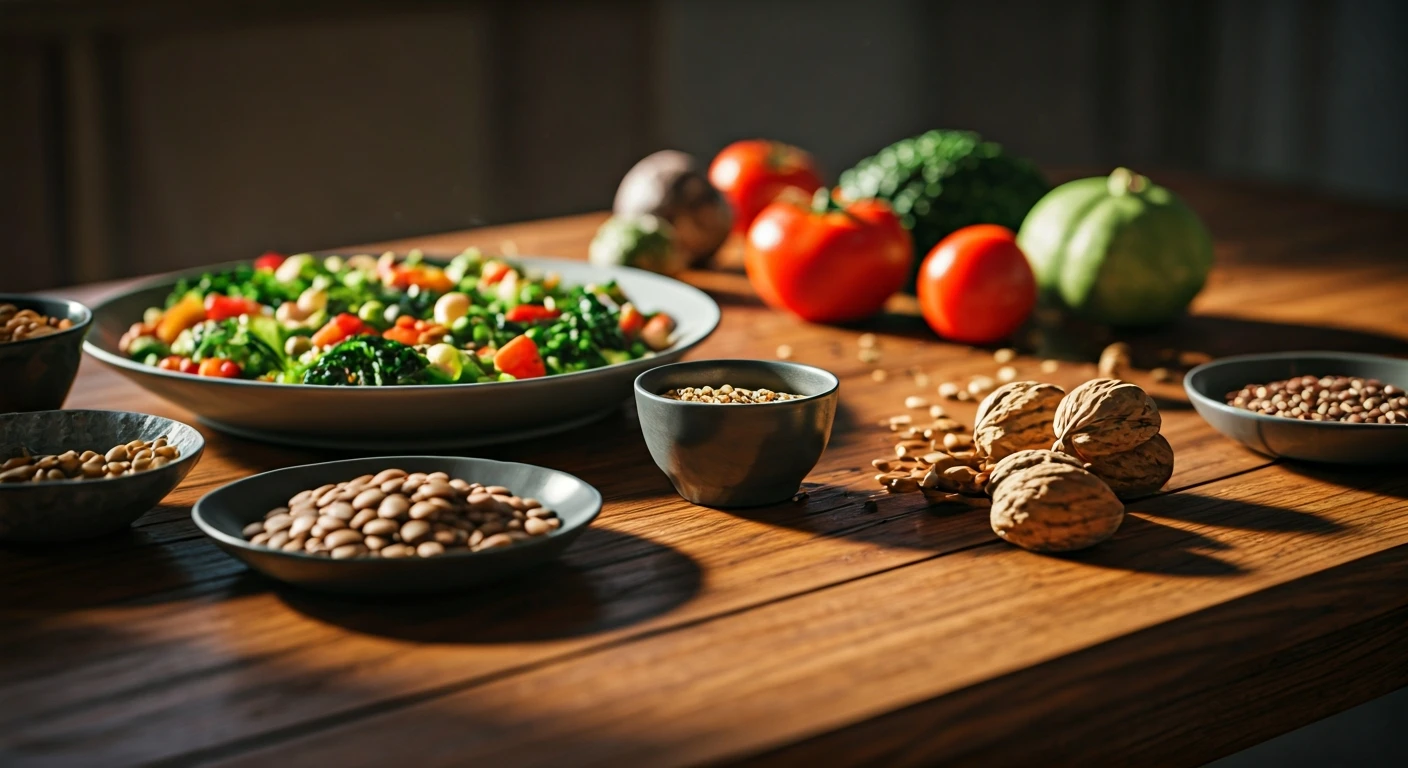
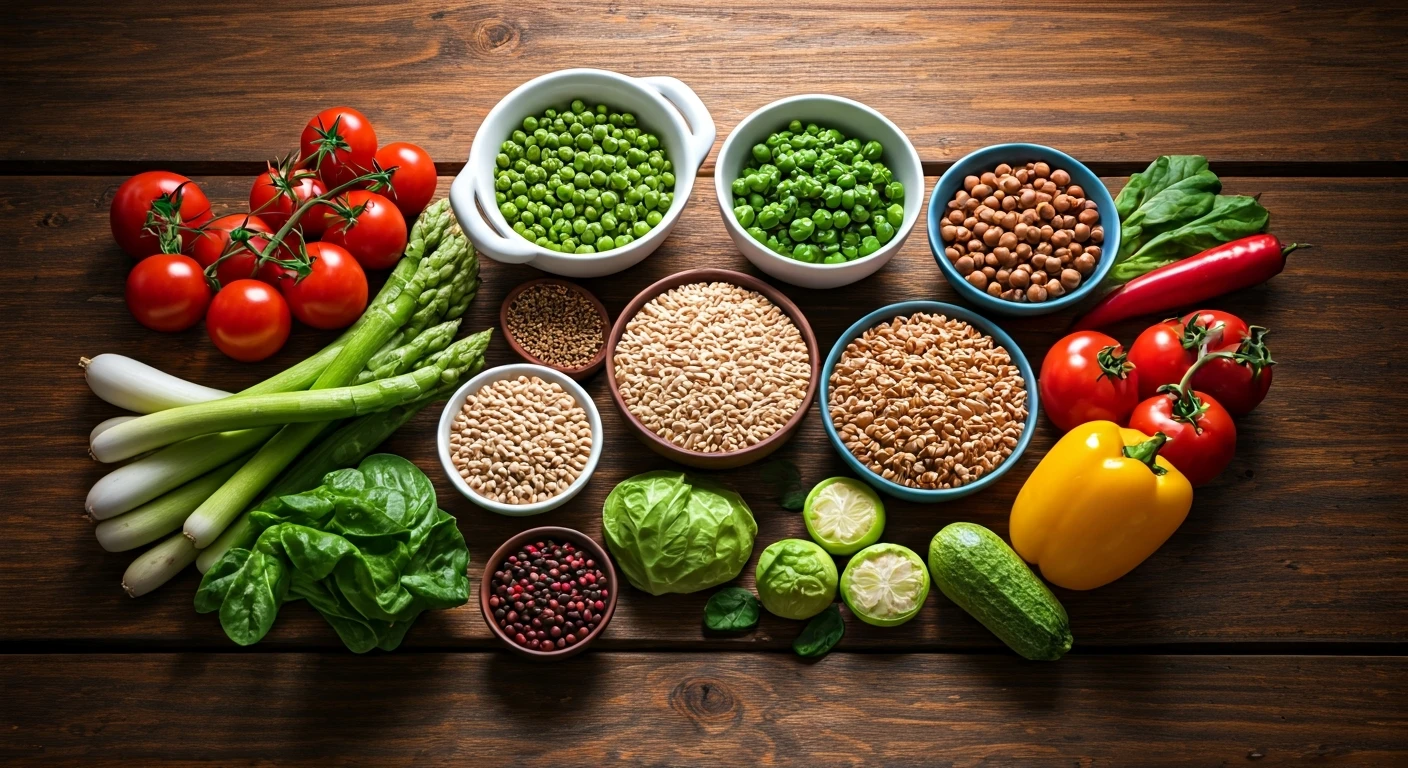
The rules for Ekadashi fasting might seem restrictive at first glance, but they function more like a creative prompt. Grains like rice and wheat are off the menu, as are lentils and beans. This is where things get interesting. Instead of focusing on what you *can't* eat, the tradition highlights a whole different pantry of ingredients. Permitted foods include fruits, vegetables (with some exceptions, like onions and garlic), dairy products, nuts, and a fascinating category of pseudo-grains and alternative flours. This framework pushes cooks to innovate, resulting in dishes with unique textures and flavors that you wouldn't normally encounter. It's less about subtraction and more about substitution and reinvention.
The Unexpected Star: Sabudana
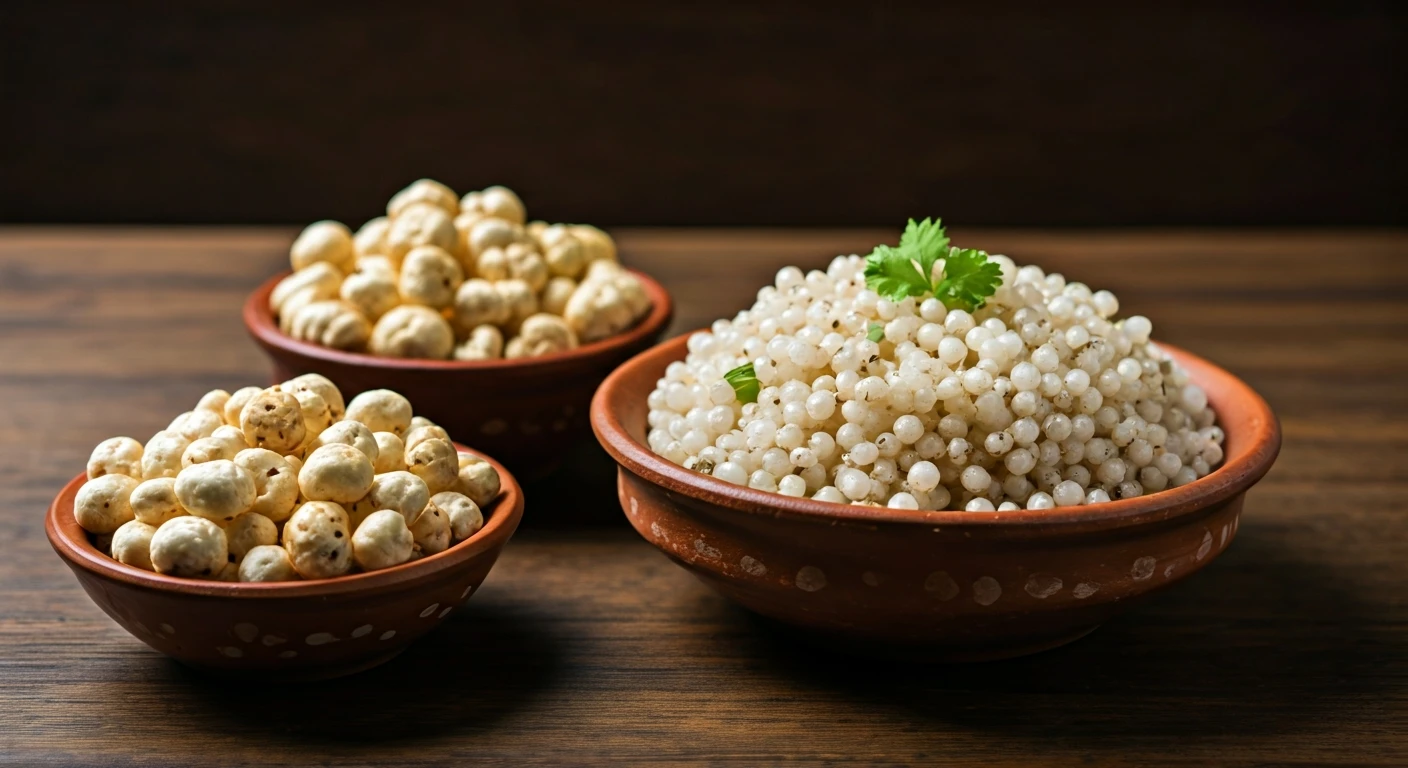
If there’s one ingredient that defines Ekadashi cuisine, it's sabudana, or tapioca pearls. Far from being relegated to pudding, here it becomes the star of savory dishes. The most famous is Sabudana Khichdi. Forget everything you know about porridge-like dishes. This is a stir-fry where the rehydrated tapioca pearls are sautéed with boiled potatoes, roasted peanuts, fresh cilantro, a squeeze of lemon juice, and green chilies. The result is a delightful mix of textures—soft, chewy pearls, crunchy nuts, and tender potatoes—all tied together in a savory, tangy, and slightly spicy package. It’s hearty, satisfying, and completely grain-free, making it a perfect example of fasting food that feels like a feast.
A Different Kind of Flour Power
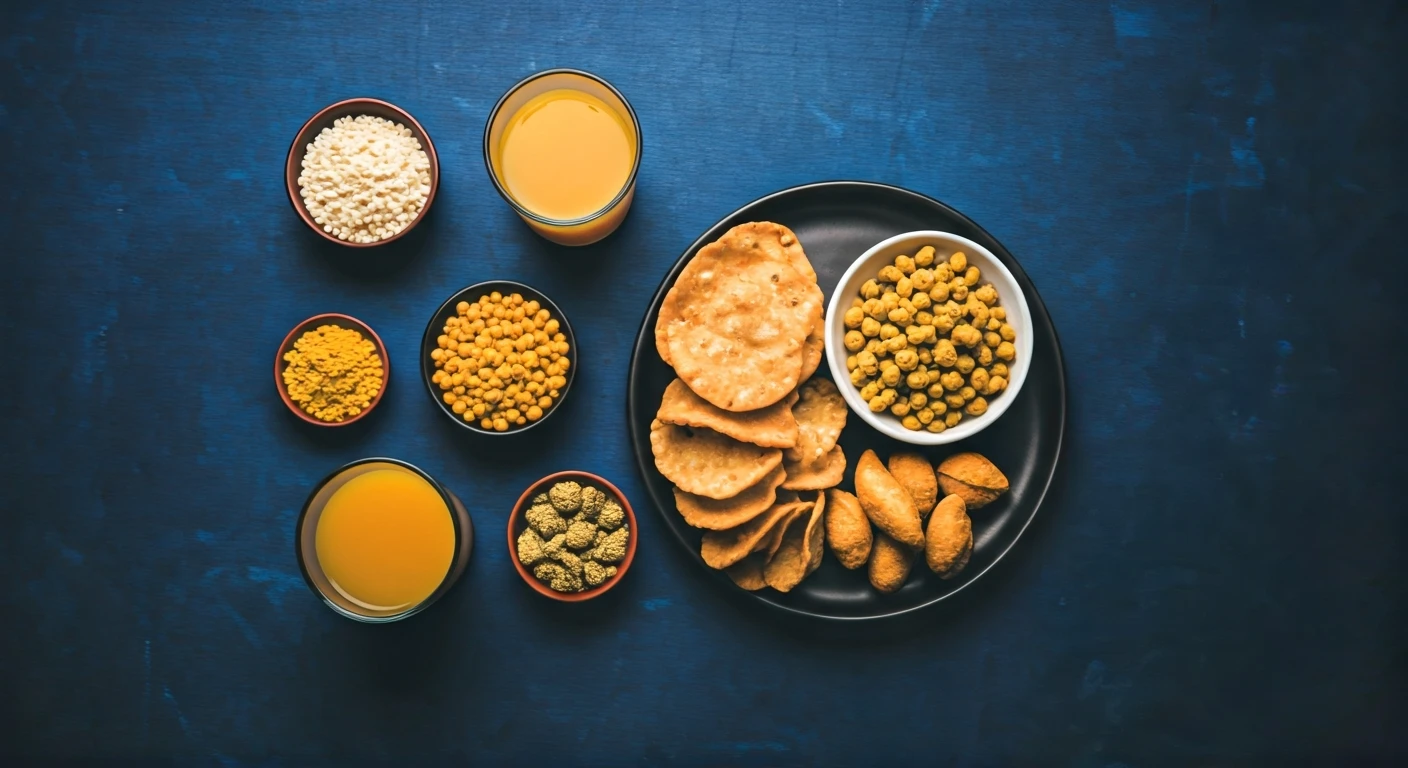
Craving bread? Ekadashi has you covered. While wheat is forbidden, a variety of “fasting flours” step in. Kuttu ka atta (buckwheat flour) and singhare ka atta (water chestnut flour) are two popular choices. These naturally gluten-free flours have earthy, nutty flavors that are incredibly distinct. They're often mixed with mashed potatoes or sweet potatoes as a binder and then rolled out into small, thin discs to be deep-fried into puris (puffed breads). Served alongside a simple potato curry (made without onions or garlic) and a side of yogurt, these puris are a comforting and flavorful part of the fasting meal. They offer a rustic heartiness that feels both ancient and deeply satisfying.
Wholesome Snacks and Sweet Treats
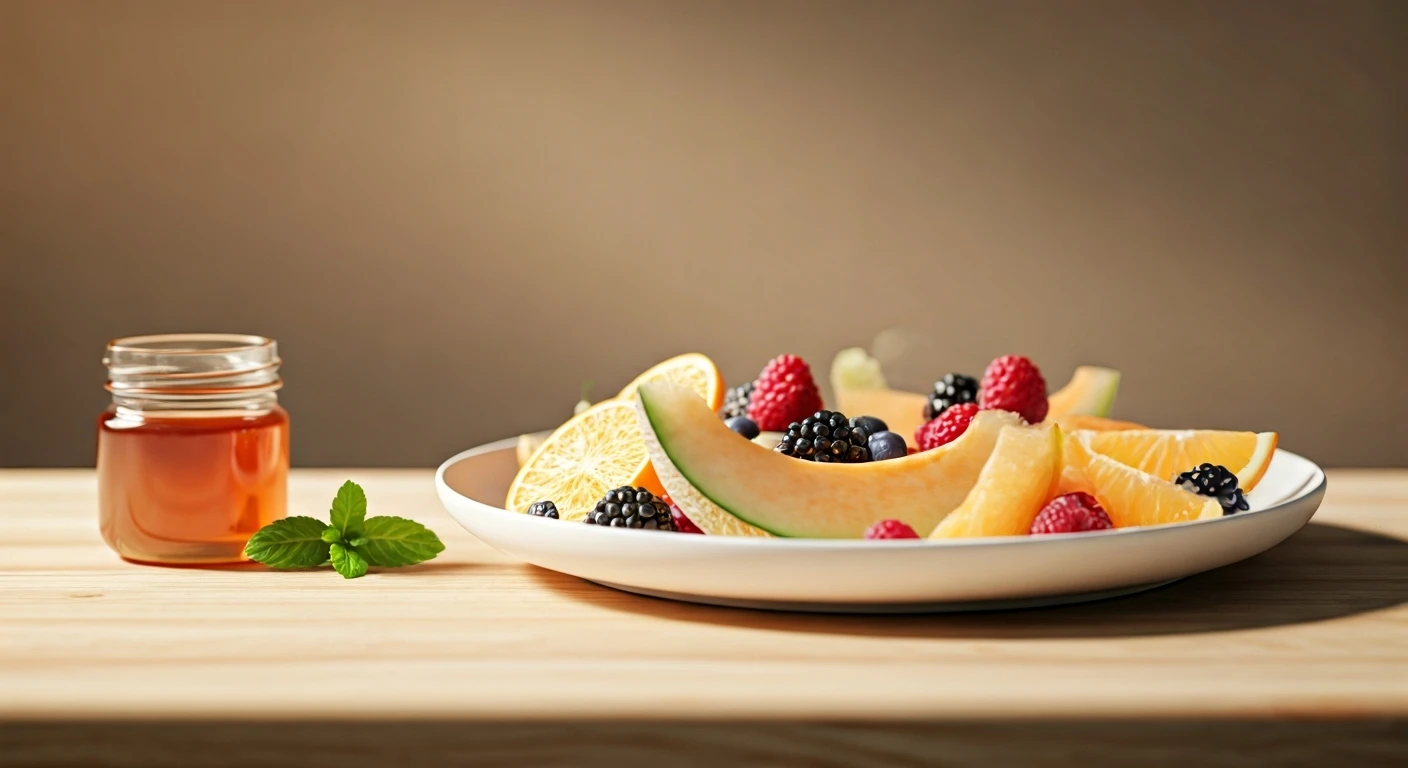
The creativity extends to snacks and desserts. Makhana (puffed fox nuts) are a versatile favorite. They can be lightly roasted in ghee with a sprinkle of rock salt and black pepper for a crunchy, popcorn-like snack. Alternatively, they can be simmered in sweetened milk with cardamom and nuts to create Makhana Kheer, a creamy and luxurious pudding that feels utterly indulgent. Fruits are, of course, central, often served in elaborate fruit salads with a dollop of fresh cream. Even potatoes get a fresh look, sliced thin and fried into crispy chips or cut into fries (using rock salt instead of table salt). These options ensure that energy levels stay up and that the palate is never bored.