





The Allure of the Off-Season
For most tropical destinations, the term “off-season” is a polite euphemism for “bad weather.” In the Andamans, a remote Indian archipelago in the Bay of Bengal, the monsoon (typically May to September) is certainly a powerful force. But for a certain type
of traveler, this period unlocks the islands’ best-kept secrets. The biggest draw is the tranquility. The crowds that throng popular spots like Radhanagar Beach during the peak season from December to March are gone. In their place, you’ll find a quiet solitude that allows for a more personal connection with the environment. This scarcity of visitors also translates into significant savings, with airlines and hotels often dropping their prices considerably. You’re not just saving money; you’re buying an entirely different, more exclusive-feeling atmosphere.
Embracing a Greener, Wilder World
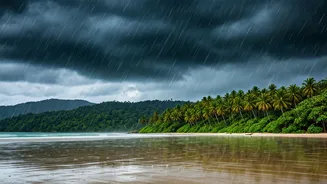
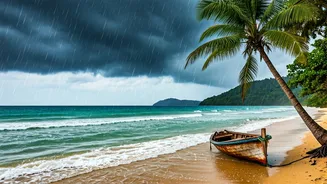
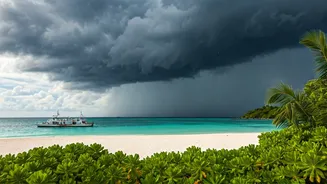
The monsoon doesn’t just bring rain; it transforms the islands into a spectacle of vibrant life. The landscape, parched from the dry season, erupts into an almost impossibly lush green. The forests become denser, the waterfalls thunder with renewed power, and the air feels clean and charged with energy. This isn’t the weather for sunbathing, but it’s perfect for appreciating nature’s dramatic side. Instead of endless blue skies, you get moody, dramatic cloudscapes that shift by the minute, creating a photographer’s paradise. The experience is less about passively lying on a beach and more about actively witnessing a powerful natural cycle. It’s a sensory experience—the smell of wet earth, the sound of rain drumming on a tin roof, the sight of mist rolling through the jungle.
A Shift in Activities and Pace
A monsoon trip requires a shift in mindset and itinerary. Many water-based activities, like scuba diving and snorkeling at certain exposed sites, may be limited or suspended due to choppy seas and reduced visibility. Some inter-island ferries can be canceled on short notice. So, what do you do? You slow down. This is the time for road trips through verdant countryside, exploring the rubber plantations and spice gardens around South Andaman. It’s for curling up in a cozy café in Port Blair with a book and a cup of chai, watching the world wash by. Land-based explorations, like visiting the limestone caves near Baratang or trekking through parts of Mount Harriet National Park (trail conditions permitting), become the main event. It’s a chance to see the parts of the Andamans that don't depend on a perfectly calm sea.
Practical Realities and Planning
Traveling thoughtfully means planning practically. Flexibility is your most important asset. Don't create a rigid, jam-packed schedule. Instead, have a list of potential activities and be prepared to change plans based on the day's weather. Pack accordingly: a reliable rain jacket, quick-dry clothing, and waterproof bags for electronics are non-negotiable. Choose your accommodation wisely. A hotel with a covered balcony, a good common area, or an interesting library becomes far more valuable when you might be spending more time indoors. While some ferry services may be reduced, the main government-run ferries connecting Port Blair to major islands like Havelock (Swaraj Dweep) and Neil (Shaheed Dweep) generally still operate, though delays are possible. Booking accommodations and key transport in advance is still wise, even in the off-season.