




The Aravalli Hills Turn Emerald Green
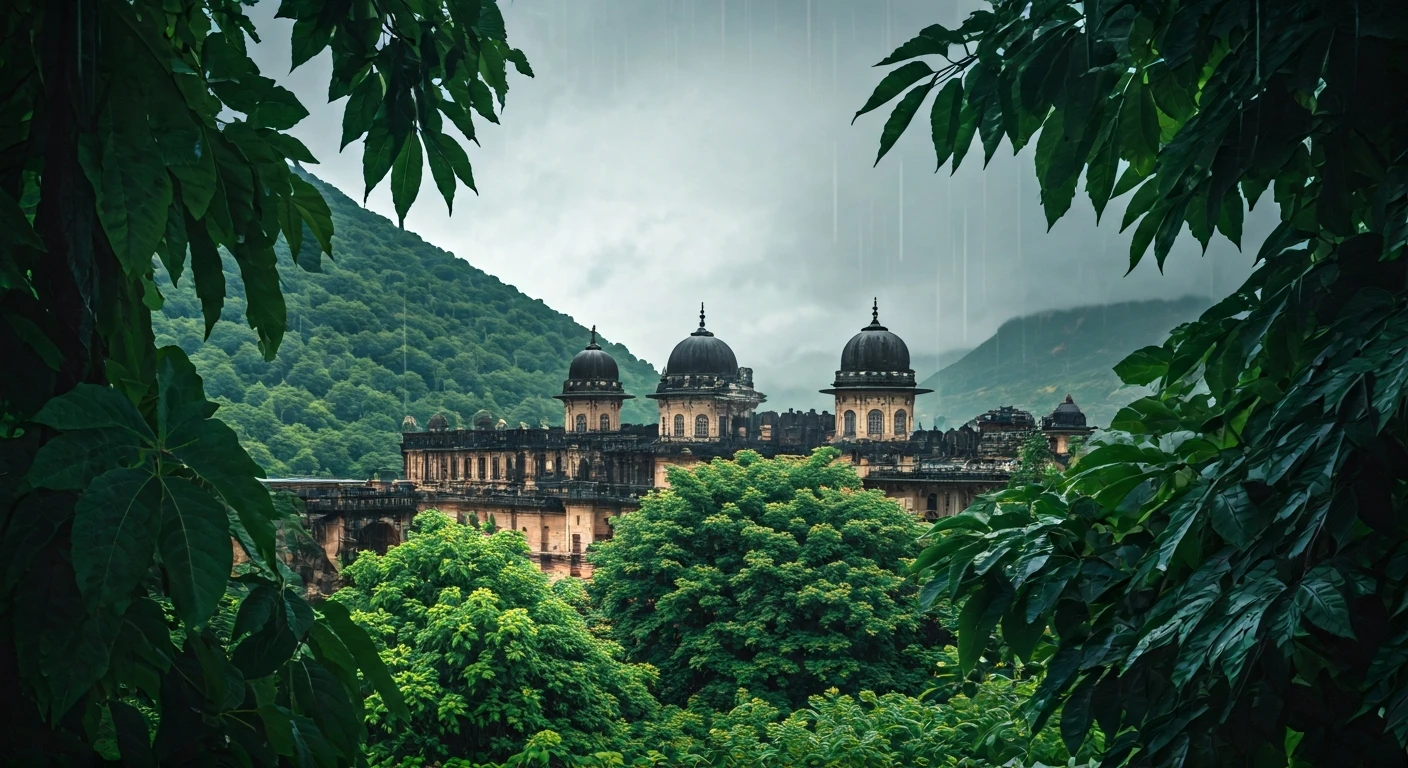
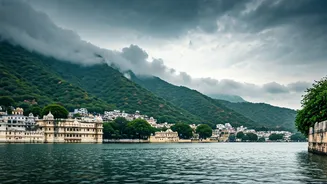
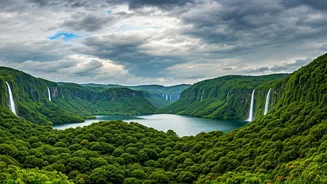
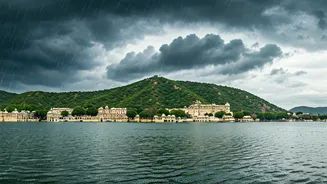
The most dramatic change during the monsoon is the landscape itself. The rugged, brown Aravalli Hills that cradle Udaipur undergo a startling metamorphosis. After the first few showers, a vibrant, almost impossibly green blanket covers every slope and valley.
This verdant backdrop completely changes the character of the city, softening its edges and creating a stunning contrast with the white marble of its palaces. Driving through the countryside or simply gazing out from a rooftop cafe becomes a breathtaking experience. The air, washed clean by the rain, feels fresh and smells of wet earth and blooming flowers, a sensory experience far removed from the dust of the dry season.
The Lakes Are Finally Full and Shimmering
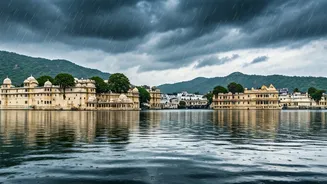
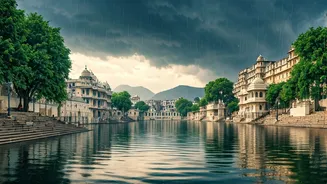
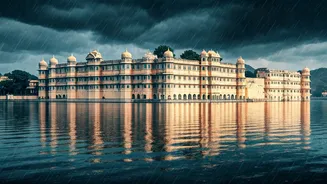
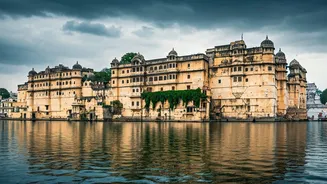
Udaipur is famously known as the 'City of Lakes,' but for much of the year, its iconic water bodies can be disappointingly shallow. The monsoon changes everything. As rains replenish the system, Lake Pichola and Fateh Sagar Lake swell to their full, glorious capacity. The water laps right up against the ghats (steps) and the foundations of waterside palaces like the Lake Palace and Jag Mandir. A boat ride on a full Lake Pichola is an essential monsoon experience; the city's reflection shimmers on the water's surface, and the entire panorama feels grander and more majestic. The simple act of watching the rain fall on the vast expanse of water from a lakeside hotel window is an attraction in itself.
The Romance of the Monsoon Palace
There’s a reason Sajjan Garh Palace is known as the Monsoon Palace. Perched high on a hill overlooking the city, this was the royal family’s seasonal retreat, designed specifically to watch the approaching rain clouds. During July and September, it truly lives up to its name. The drive up the winding hill is spectacular, with misty clouds often enveloping the road. From the top, you get a panoramic view of the drenched city and its full lakes, often partially obscured by romantic, swirling mist. Watching a sunset from here, as the clouds break and paint the sky in dramatic hues of orange and purple, is an unforgettable sight. The palace feels less like a historical monument and more like a living, breathing part of the season.
Cooler Temperatures and Fewer Crowds
While many U.S. travelers plan their India trips for the cooler, drier winter months, this peak season comes with its own drawbacks: massive crowds and inflated prices. The monsoon offers a savvy alternative. Temperatures drop significantly from the scorching heat of May and June, settling into a comfortable, albeit humid, range. More importantly, you'll be sharing the city's magic with far fewer people. You can explore the intricate corridors of the City Palace or wander through the Saheliyon-ki-Bari gardens without jostling for space, allowing for a more intimate and personal connection with the city's heritage. This quieter atmosphere enhances the romantic, laid-back vibe of the season.
A Photographer's Dream
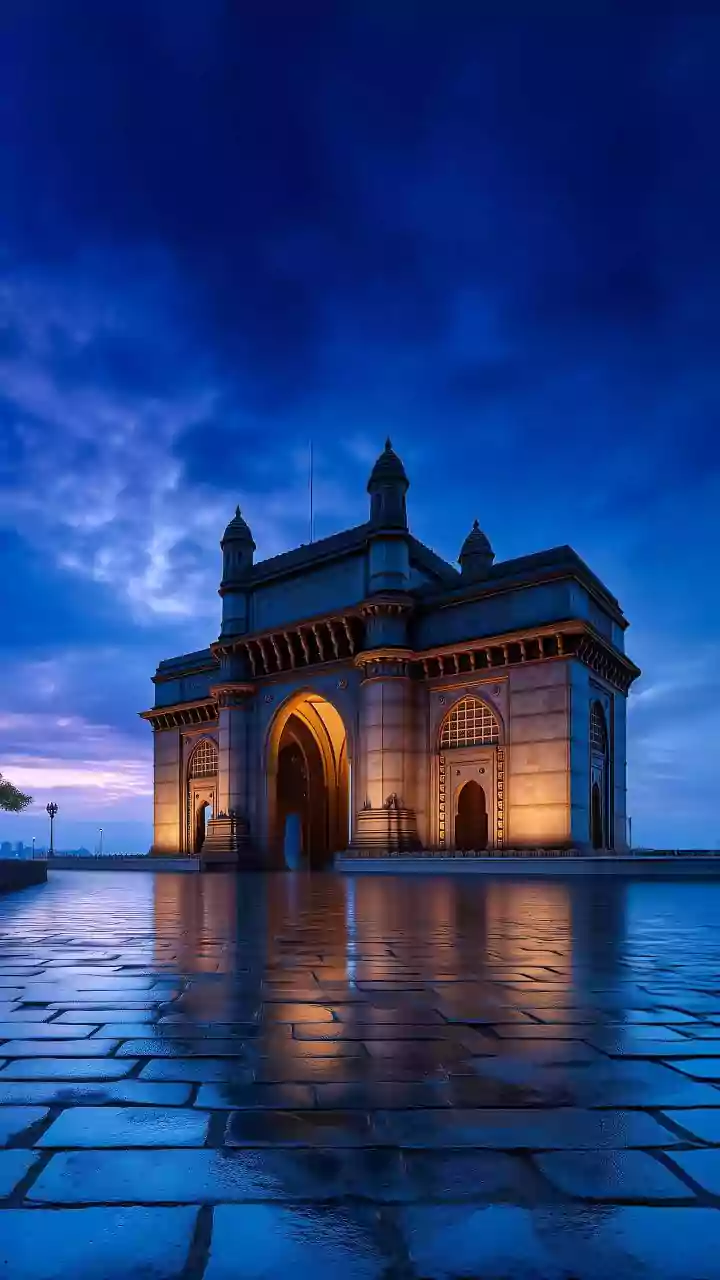
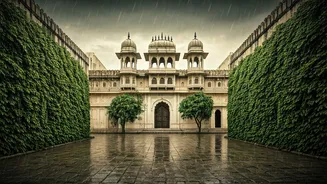
For photographers, the monsoon season is a gift. The harsh, flat light of the dry season is replaced by a soft, diffused glow that makes colors pop. The contrast between the saturated green hills, the dark grey rain clouds, and the brilliant white marble of the palaces creates a dramatic and moody palette. Cobblestone streets glisten after a downpour, creating beautiful reflections. Local life also takes on a different rhythm; people huddle under colorful umbrellas, and street vendors sell roasted corn on the cob (bhutta), a classic monsoon snack. Every corner presents a new, evocative scene waiting to be captured, offering a unique portfolio that goes beyond the standard sunny shots of Udaipur.