
The Rise of Conspicuous Production
For decades, the peak of culinary sophistication was outsourcing. The ultimate flex was a table at a Michelin-starred restaurant, a meal prepared by a famous chef, an experience you paid a premium to consume. But a quiet revolution has been simmering,
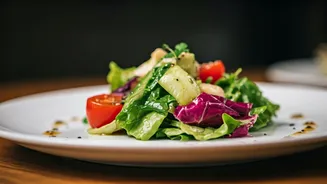
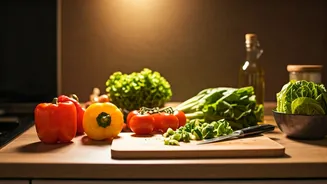
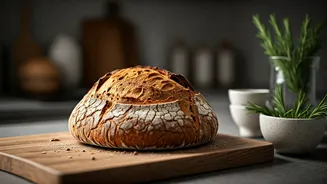
and it’s now at a full boil. We’ve entered the era of conspicuous production. The new currency isn’t just what you can afford to buy, but what you can skillfully create. That perfectly browned sourdough loaf on Instagram, the slow-braised short rib shared on a friend's story, the meticulously arranged platter of farmers' market vegetables — these aren't just dinner. They are declarations of competence, patience, and a new kind of taste. In an age of instant gratification and digital ephemera, the ability to make something tangible, nourishing, and real with your own hands has become a profound status symbol.
Authenticity as the New Luxury
This shift is deeply tied to our collective craving for authenticity. We're increasingly skeptical of filtered, mass-produced perfection. The rustic, slightly imperfect nature of home cooking is its strength. A hand-rolled pasta is prized for its charming irregularities, a sign it wasn't made by a machine. A bubbling pot of bolognese that took six hours to simmer speaks a language of care and time that no 30-minute meal delivery kit ever could. This is the 'authenticity economy' playing out on our dinner tables. It suggests a connection to tradition, family history (even if the recipe is from a blog), and the earth. By making and sharing this food, we’re signaling that we value what’s genuine over what’s merely expensive. It’s a performance of a life well-lived, rooted in something more substantial than brand names.
A Post-Pandemic Re-evaluation
The pandemic acted as a massive accelerant for this trend. Forced inside, millions of Americans rediscovered their kitchens not as a place for reheating takeout, but as a hub of creativity and control in a chaotic world. The sourdough starter craze of 2020 wasn't just about a bread shortage; it was a collective project, a way to nurture something and see a tangible result. We learned that cooking could be a meditative, grounding act. As we emerged, we didn't want to lose that connection. The dinner party has seen a massive resurgence, but with a different vibe. It's less about formal entertaining and more about casual, communal gatherings centered on a pot of something hearty and homemade. Hosting has become the new going out, and the star of the show is the meal you lovingly prepared.
Skill Over Stuff
Ultimately, the home-cooking flex is about demonstrating skill, not just wealth. Anyone with a credit card can buy a designer handbag, but not everyone has the patience to clarify butter, the knowledge to properly spatchcock a chicken, or the dedication to keep a kombucha SCOBY alive. This form of status is more democratic in access but more demanding in execution. It requires time, practice, and a willingness to fail — all commodities that feel increasingly scarce. Sharing the fruits of this labor is a way of saying, 'I have invested my time and care into this.' In a world saturated with passive consumption, actively producing something of quality and beauty is a powerful counter-statement. It’s a flex that’s not just for show; it nourishes, it gathers, and it says more about you than any luxury logo ever could.