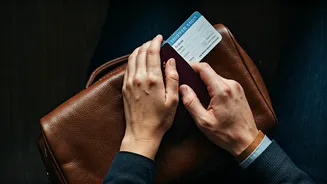







The Architect of Adventure
There’s one in almost every couple or friend group: the Planner. This is the person whose brain is a whirring spreadsheet of flight numbers, hotel confirmations, and dinner reservations made six weeks in advance. Weeks before the trip, their search history
is a litany of “best non-touristy restaurants” and “how to use the metro in [insert city here].” They have a folder—digital or, God bless them, physical—with every document neatly organized. For the Planner, the vacation doesn’t start at the airport; it starts the moment the trip is conceived. It’s a mix of genuine excitement, a deep-seated need for control, and a quiet, gnawing fear that if they don't do it, nobody will, and the entire group will end up stranded and hungry.
The Blissful Passenger
Paired with every Planner is their natural counterpart: the Passenger. This person trusts implicitly. They operate on a need-to-know basis, and frankly, they don’t think they need to know much. “What time is our flight?” they might ask, while zipping up a suitcase they packed 20 minutes before leaving. They are not lazy or uncaring; they are simply masters of outsourcing. They have placed their full faith in the Planner, freeing up valuable brain space for more immediate concerns, like what movie to download for the plane. To the Passenger, the vacation is a magical event that simply… happens. The hotel key appears, the Uber arrives, the museum tickets are presented. It’s a beautiful, stress-free existence built on the meticulous, often invisible, labor of someone else.
A Window into the Mental Load
This dynamic isn’t just about who’s better at using Expedia. A trip is a microcosm of a relationship's division of labor, specifically the “mental load”—the invisible, ongoing work of managing a life. At home, it’s remembering to buy milk, scheduling doctor’s appointments, and knowing when the bills are due. On vacation, it’s knowing the hotel’s check-out time, remembering which tour guide you booked, and having a backup plan for a rainy day. The Planner is almost always the one carrying the mental load. While the dynamic often works, travel puts it under a microscope. When you’re removed from your daily routines, the person responsible for creating the new, temporary routine becomes glaringly obvious.
When the System Cracks
For the most part, this symbiotic relationship can be a source of harmony. One person loves to plan; the other loves to be spontaneous. But sometimes, the cracks show. The Planner can start to feel less like an architect and more like an unpaid tour guide, simmering with resentment. A simple “So, what are we doing today?” from the Passenger can feel like a profound failure of initiative. Meanwhile, the Passenger can feel infantilized. They might want to contribute but don't know how, because the Planner has already built a fortress of itineraries. Or worse, their one attempt at spontaneity—suggesting a detour—is met with a panicked look because it deviates from the color-coded master plan.
Finding a Better Balance
The solution isn’t for the Planner to stop planning or for the Passenger to suddenly become a logistics expert. It’s about appreciation and participation. The easiest first step for a Passenger is to take ownership of one small part of the trip. Maybe you’re in charge of finding a great coffee shop every morning, or you handle all the transportation for one day. It’s a small gesture that says, “I see the work you’re doing, and I want to help carry the load.” For the Planner, the challenge is to let go just a little. Leave one afternoon completely unscheduled. Let your partner pick a restaurant, even if you haven't read 37 online reviews of it first. A successful trip, like a successful relationship, isn’t about a perfect 50/50 split of every task. It’s about feeling like you’re on the same team.