

The Venice of the East
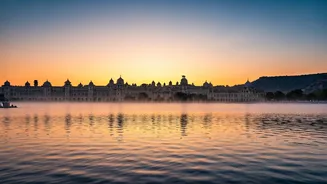
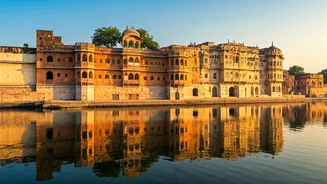
Nestled in the rugged Aravalli Hills of Rajasthan, Udaipur is a city built around a series of man-made lakes. Unlike the desert landscapes that dominate much of the state, Udaipur is an oasis of calm and beauty. Its heart is Lake Pichola, a vast expanse
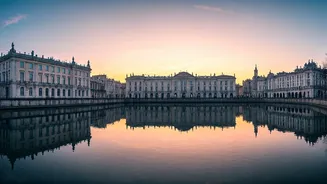
of blue where the line between water and sky often blurs. The city’s ethereal reputation isn’t a modern marketing invention; it was founded in the 16th century by Maharana Udai Singh II and became the capital of the Mewar kingdom. The maharanas built magnificent palaces not just on the banks, but in the very middle of the lake, creating a floating world of marble and grandeur that continues to enchant travelers today. This unique waterscape, dotted with islands and historic structures, has earned it the moniker 'Venice of the East,' but the comparison only scratches the surface of its distinct Rajasthani soul.
Living Like Royalty
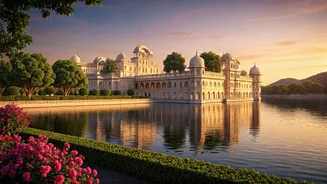
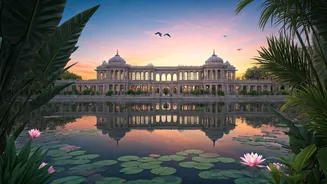
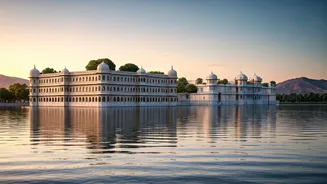
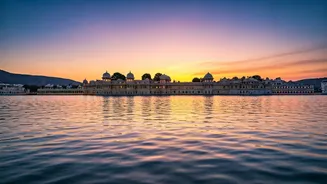
Nowhere is the blend of luxury and history more palpable than in Udaipur's palace hotels. The most iconic is the Taj Lake Palace, a vision in white marble that appears to float magically on the waters of Lake Pichola. Originally built in the 18th century as the pleasure palace of Maharana Jagat Singh II, it is now one of the world's most romantic hotels. Reaching it is an experience in itself: guests are ferried across the lake on a private boat, arriving at a place where butlers attend to every need and stained-glass windows cast colorful patterns on polished floors. Another masterpiece, The Oberoi Udaivilas, stands grandly on the opposite bank, its sprawling design of domes and corridors recreating the layout of a traditional Indian palace. Staying in one of these properties isn't just about five-star service; it's about inhabiting a living piece of history, where every archway and courtyard whispers tales of a bygone royal era.
A Sunset on Lake Pichola
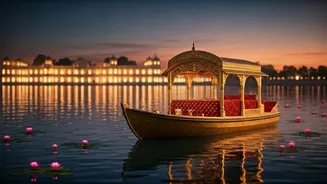
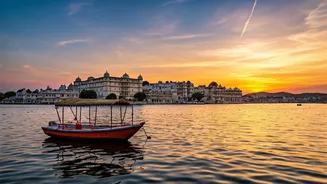
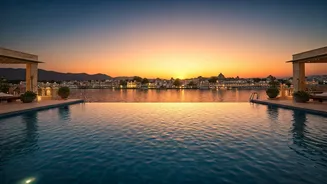
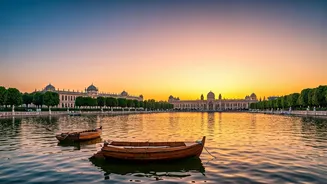
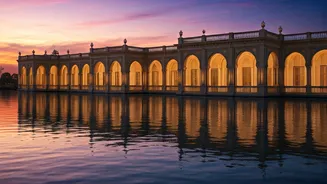
The single most essential Udaipur experience is a boat ride on Lake Pichola at sunset. As the day cools, you glide past the bathing ghats where daily life unfolds, the massive City Palace complex towering above, and the serene island of Jag Mandir. The real magic happens as the sun begins to dip below the Aravalli Hills. The sky ignites in shades of saffron, rose, and gold, and the white marble palaces seem to blush in the warm light. Then, as dusk settles, the city begins to twinkle. The City Palace is illuminated, its reflection dancing on the water, transforming the entire vista into a scene of pure, storybook romance. It’s a quiet, meditative moment that feels both epic and deeply personal, capturing the timeless allure of the city.
Whispers of the Past
To understand the soul of Udaipur, you must walk through the City Palace. This sprawling complex, the largest in Rajasthan, is a testament to centuries of Mewar rulers. It's not a single structure but a series of palaces, courtyards, and gardens built over generations, each adding to its labyrinthine charm. Here, you can wander through ornate rooms adorned with mirror work and intricate mosaics, peer through balconies where queens once watched royal processions, and admire collections of historic art and weaponry. It’s a place where the scale is monumental, yet the details are exquisitely fine. Standing in the Peacock Courtyard, with its stunning glass-mosaic peacocks, you feel the weight and romance of a dynasty that fiercely guarded its independence and culture for centuries.
Beyond the Palace Walls
While the palaces define its skyline, Udaipur's charm also lives in its narrow, winding streets. The old city is a sensory overload in the best way possible. You can haggle for handcrafted leather goods in bustling markets, smell spices and street food cooking on an open flame, and stumble upon ancient havelis (traditional mansions) with beautifully carved facades. Taking a cooking class to learn the secrets of Rajasthani cuisine or finding a rooftop cafe to sip chai while overlooking the lake provides a connection to the city's vibrant present. This is where the old-world romance of the maharajas meets the living, breathing culture of modern India, creating a travel experience that is as luxurious as it is authentic.