




What Is a 'Boutique Nature Trip'?
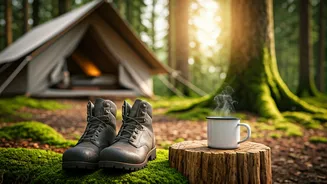
Forget what you know about roughing it. A boutique nature trip isn't just a fancy tent, a practice often called 'glamping.' It’s a more holistic concept, blending the immersive experience of being outdoors with the curated details of a high-end boutique hotel.
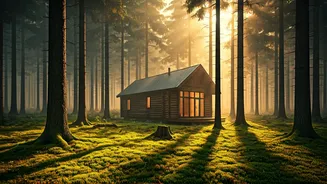
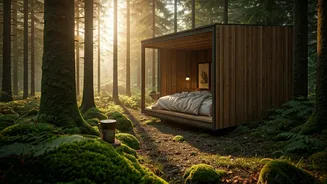
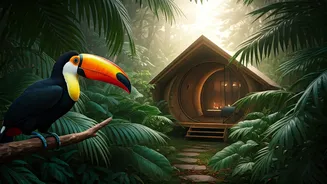
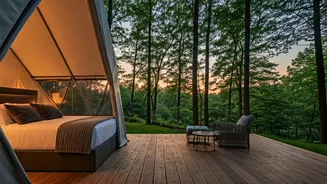
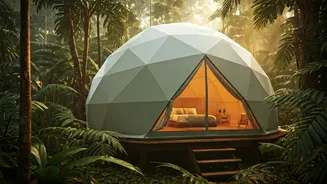
Think architecturally designed tiny cabins, restored A-frames, or minimalist pods with floor-to-ceiling windows overlooking a forest or desert landscape. Inside, you’ll find high-thread-count sheets, pour-over coffee stations, and bathrooms with better water pressure than your city apartment. These destinations are intentionally small, fostering a sense of quiet intimacy that you won’t find at a sprawling resort. The focus is on stripping away the unnecessary—no sprawling pools, no kids' clubs, no mediocre buffets—to emphasize a direct connection with the surrounding environment, but without sacrificing essential comforts.
The Appeal of Accessible Adventure
So, why is this trend taking off now? A huge part of the appeal is its accessibility. Traditional camping and backpacking have a high barrier to entry: you need expensive gear, specialized knowledge, and a willingness to embrace a fair amount of discomfort. Boutique nature experiences eliminate that friction. They offer a turnkey solution for urbanites and busy professionals who crave the mental health benefits of the outdoors but don’t have the time or inclination to plan a full-blown expedition. It’s nature on demand. You can finish a stressful work week, drive a couple of hours, and check into a serene cabin where a comfortable bed and a hot shower await you after a day of hiking. It delivers the restorative power of nature without the logistical headaches, making it an easy 'yes' for a weekend escape.
Beyond a Nice Bed: It's About Curation
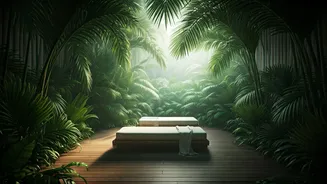
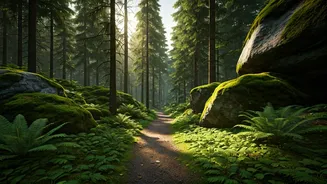
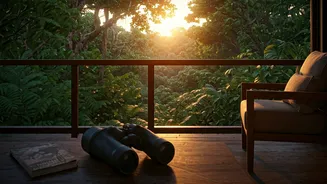
What truly elevates these trips from just 'glamping' to 'boutique' is the element of curation. The experience is thoughtfully designed from start to finish. Instead of leaving you to your own devices, these operators act as gentle guides to the local environment. This might mean providing a map of pre-vetted, little-known hiking trails, offering a field guide to local birds, or equipping your cabin with a telescope for stargazing. Many go a step further, organizing optional, intimate activities like guided forest bathing, outdoor yoga classes, workshops with local artisans, or communal bonfire nights with craft beer and s'mores. It’s less about a schedule of forced fun and more about offering opportunities for genuine connection—with nature, with others, and with yourself.
Designed for the Gram, Built for Comfort
Let’s be honest: aesthetics play a huge role here. These places are unapologetically photogenic. The clean lines of a Scandinavian-inspired cabin set against a rugged mountain backdrop, the perfectly rumpled linen duvet, the outdoor clawfoot tub steaming in the crisp morning air—it’s all designed to be as beautiful as it is functional. This visual appeal has been a massive driver of the trend's popularity on platforms like Instagram and Pinterest. But while these trips provide endless content for a well-curated feed, it’s a mistake to dismiss them as superficial. The thoughtful design serves a deeper purpose. By creating a beautiful, uncluttered, and serene environment, these spaces encourage you to slow down, be present, and appreciate your surroundings. The aesthetic isn't just for the photo; it's part of the restorative experience itself.