





The Gut-Immunity Connection
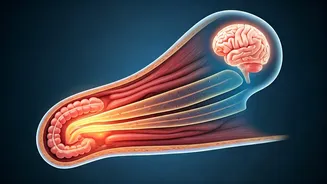
For decades, we viewed the immune system as a roving army, patrolling the bloodstream for invaders. While that’s true, we now know its headquarters is largely based in the gut. In fact, an estimated 70-80% of your immune cells reside in your gastrointestinal
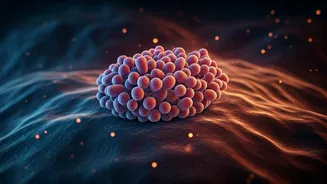
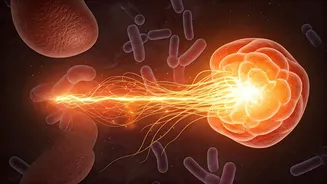
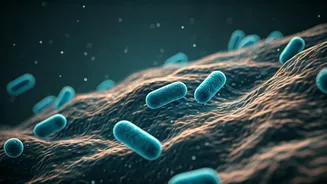
tract. This prime location allows them to monitor everything that enters your body through food and drink. They work in constant communication with your gut microbiome—the trillions of bacteria, fungi, and other microbes living in your digestive system. A healthy, diverse microbiome helps “train” your immune cells to distinguish between friend (food particles, beneficial bacteria) and foe (harmful pathogens), ensuring a balanced and effective response when you need it most.
What 'Gut Balance' Really Means
When wellness experts talk about “gut balance,” they’re referring to a state of equilibrium in your microbiome. A balanced gut is characterized by a high diversity of beneficial microbes. These good bacteria perform essential jobs, like breaking down food components your body can't digest on its own, producing essential vitamins, and maintaining the integrity of your gut lining. This lining acts as a critical barrier, preventing harmful substances from leaking into your bloodstream and triggering inflammation. An imbalance, sometimes called dysbiosis, occurs when less helpful microbes begin to outnumber the beneficial ones. This can be caused by a poor diet, stress, or certain medications, and it can compromise both digestion and immune function.
Feed the Good Guys with Fiber
The single most effective way to cultivate a healthy gut is to feed your beneficial bacteria what they love: fiber. Specifically, prebiotic fiber, which is indigestible by humans but serves as the primary food source for good gut microbes. When bacteria ferment this fiber, they produce short-chain fatty acids (SCFAs). These compounds are superstars for your health; they nourish the cells of your colon lining, reduce inflammation, and help regulate immune cell activity. To get more, focus on a wide variety of plant foods. Think oats, onions, garlic, bananas, asparagus, apples, and beans. The goal isn't just to eat one “superfood,” but to consume a diverse range of fiber sources to support a diverse microbiome.
Incorporate Probiotics from Fermented Foods
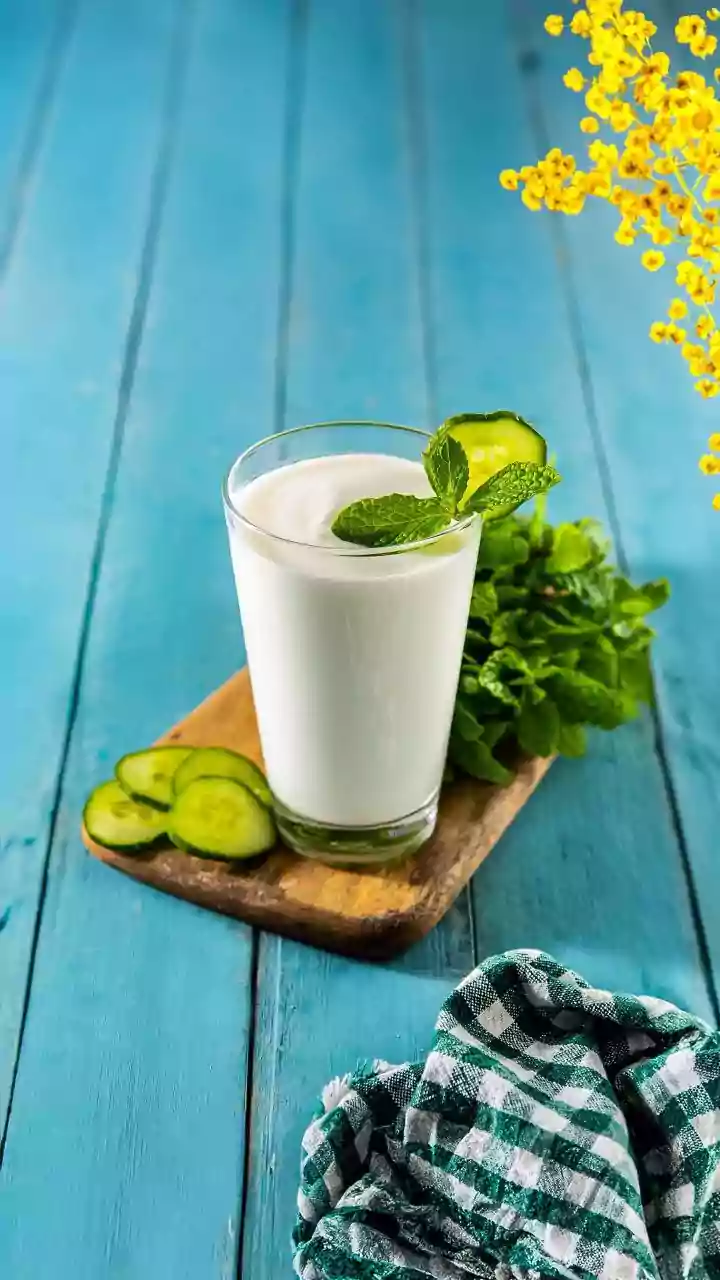
If prebiotics are the fertilizer, probiotics are the seeds. Probiotics are live, beneficial bacteria that can help fortify your existing gut community. While supplements are popular, obtaining them from food is a great strategy because you also get other nutrients. Fermented foods are a natural source of these helpful microbes. Look for yogurt and kefir with “live and active cultures” on the label. Other excellent options include sauerkraut, kimchi (a spicy Korean fermented cabbage), kombucha (a fermented tea), and miso. Introducing these foods into your diet can help bolster the populations of good bacteria, especially if your gut balance has been thrown off.
Embrace Polyphenol Power
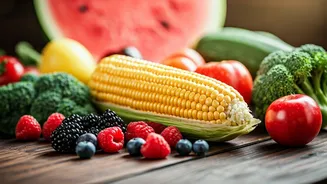
Polyphenols are naturally occurring antioxidant compounds found in plant-based foods that give them their vibrant colors. They have a twofold benefit for your gut and immune system. First, they act as antioxidants, helping to combat cellular damage throughout the body. Second, they have a prebiotic-like effect, encouraging the growth of beneficial bacteria while potentially inhibiting the growth of less desirable ones. To boost your intake, think colorful. Rich sources include berries, dark cherries, plums, dark chocolate (with a high cocoa content), green tea, and extra virgin olive oil. Eating a “rainbow” of fruits and vegetables is a simple way to ensure you're getting a broad spectrum of these protective compounds.
Limit Common Gut Disruptors
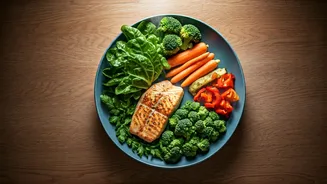
Just as important as adding beneficial foods is minimizing those that can harm your gut balance. Diets high in processed foods, added sugars, and certain artificial sweeteners can promote the growth of inflammatory bacteria and reduce microbial diversity. Chronic, excessive alcohol consumption can also negatively impact the gut lining and the microbiome. This doesn't mean you can never have a treat, but it does mean that your dietary foundation should be built on whole, minimally processed foods. By reducing the burden on your system, you give your beneficial microbes a better environment in which to thrive.