

The Economic Reality Check
Let’s start with the most obvious ingredient: money. For many young Americans, the math simply no longer works. The casual $18 grain bowl and the $25 burger that were once justifiable splurges have become symbols of an unsustainable lifestyle in the face
of inflation. Delivery app fees, tips, and marked-up menu prices can easily turn a simple weeknight dinner into a $40 affair. For a generation burdened with student debt and navigating a volatile job market, that’s a non-starter. Cooking at home has become an act of financial self-preservation. Buying groceries, even with rising food costs, offers a level of budgetary control that dining out and delivery have stripped away. A bag of pasta, a can of tomatoes, and some garlic can form the basis of multiple affordable, satisfying meals. This economic pressure isn't just about saving money; it’s about reclaiming financial agency. It’s a pragmatic response to a world where the cost of convenience has finally exceeded its value, forcing a reevaluation of what it means to eat well.
The TikTok-ification of the Kitchen
While economics pushed them into the kitchen, social media made it cool to stay there. Platforms like TikTok and Instagram have transformed cooking from a domestic chore into a form of creative expression and social currency. The kitchen is no longer a private space; it's a film set. The perfectly styled “What I Eat in a Day” videos, the mesmerizing ASMR of a knife chopping vegetables, and viral recipes like feta pasta or “girl dinner” have gamified and aestheticized the entire process. This isn’t your grandmother’s recipe card. Video tutorials provide a visual, low-stakes way to learn techniques that once seemed intimidating. Failure is just content for a funny follow-up video. For young foodies, mastering a complex dish is as much about the shareable end-product—the perfect photo of a glistening roast chicken—as it is about the meal itself. Social media provides the inspiration, the instructions, and the built-in audience, creating a powerful feedback loop that keeps them coming back to the stove.
A Search for Control and Wellness
Beyond the finances and the filters lies a deeper, more personal driver: the quest for control. In an era of perpetual uncertainty, the kitchen offers a sanctuary of predictability. You choose the ingredients. You control the process. The tangible result—a finished meal—provides a small but significant sense of accomplishment. This is particularly resonant for generations grappling with high rates of anxiety. This desire for control extends to health and wellness. The clean-eating movement and a general distrust of processed foods have made young consumers hyper-aware of what they put into their bodies. Restaurant meals, even those marketed as healthy, come with hidden oils, sugars, and sodium. Cooking at home is the only way to truly know what’s in your food. It’s a direct way to align eating habits with personal wellness goals, whether that’s managing a food sensitivity, training for a fitness goal, or simply trying to eat more vegetables. It’s self-care you can eat.
Nostalgia and the New Authenticity
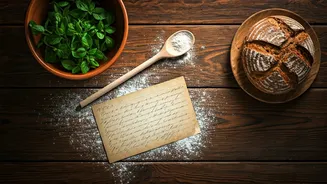
Finally, there’s a powerful pull towards the past. For many young people, cooking has become a way to connect with family and cultural heritage. Recreating a grandparent’s brisket recipe or learning to fold dumplings like their parents did is an act of edible history. In a globalized, often generic world, these recipes offer a taste of something specific and authentic. It’s a way to feel grounded and connected to a lineage that predates social media feeds and delivery drones. This isn't just about replicating old dishes; it's about reinterpreting them. Young foodies are taking traditional recipes and making them their own—swapping ingredients, adapting techniques, and sharing their modern takes online. This blend of reverence for the past and a desire for personal expression captures the essence of the modern home cooking revival. It’s a search for roots in a rootless-feeling world, proving that sometimes the most forward-looking thing you can do is learn a recipe that’s a hundred years old.