




The World’s Most Important Weather
For hundreds of millions of farmers across South and Southeast Asia, the annual monsoon is not just weather; it's the entire economy. This seasonal deluge, which typically lasts from June to September, provides over 70% of India's annual rainfall. When
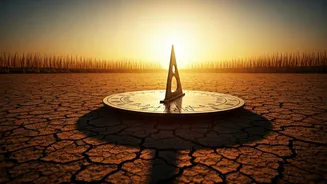
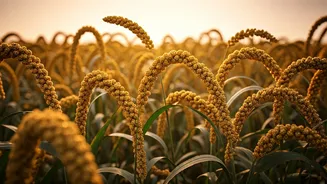
it arrives on time and delivers a healthy, consistent amount of rain, it’s a lifeline that irrigates vast fields of rice, cotton, sugarcane, and spices. A “good” monsoon translates to bountiful harvests, stable local food prices, and a thriving rural economy. A “bad” monsoon, however, can be catastrophic. If the rains are weak or erratic—arriving too late, or dumping too much water in destructive floods—crop yields plummet. This creates a ripple effect: farmers face financial ruin, domestic food supplies shrink, and governments may be forced to restrict exports to protect their own populations. For the global market, this is where the trouble starts.
Connecting the Dots to Your Pantry
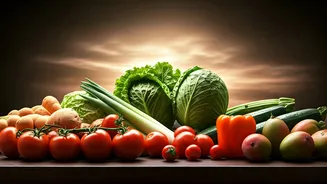
The United States might be a world away, but its grocery aisles are deeply connected to Asia's agricultural fortunes. India is a powerhouse exporter of specific, high-demand goods. Think about the long-grain basmati rice you buy at Trader Joe's, the turmeric that gives your curry its golden hue, or the cashews in your trail mix. A significant portion of these products comes directly from regions that depend on the monsoon. Here’s how the chain reaction works: a weak monsoon in India leads to a smaller rice harvest. With less product available, Indian suppliers raise their prices for international buyers. A U.S.-based food importer, who last year might have paid a certain price per ton for basmati rice, now faces a 15% or 20% increase. That importer has no choice but to pass that higher cost along to the distributors and wholesalers, who in turn pass it to the supermarket chains. By the time that bag of rice lands in your shopping cart, its price tag reflects the lack of rain thousands of miles away.
It's Not Just Rice
While rice is the most obvious example, the monsoon’s influence extends throughout the international and spice aisles. India is the world's largest producer and exporter of spices like turmeric, cumin, and chili peppers. These crops are highly sensitive to water availability. A drought-stricken harvest means the global supply of these essential flavorings tightens, and prices inevitably climb. Even products you might not expect are affected. Sugar prices can be influenced by the Indian monsoon, as the country is one of the world's top producers. The same goes for certain legumes, mangoes, and even cotton, which impacts the textile industry. While American farmers grow many of these crops, the global market is interconnected. A shortfall in a major producing nation like India forces all buyers to compete for a smaller pool of goods, driving up the baseline price for everyone.
What to Watch For
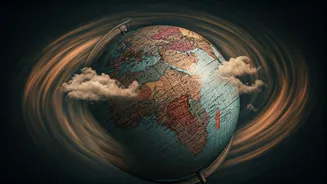
Meteorologists and commodity traders now watch the Indian Meteorological Department’s forecasts with the same intensity as Wall Street analysts watch the Fed. Predictions of a weak or delayed monsoon often send futures prices for rice and other commodities ticking upward months before any harvest shortages even occur. In recent years, climate change has made these predictions even more fraught, with weather patterns becoming more extreme and less predictable. As a consumer, you won’t see a “monsoon surcharge” on your receipt. The impact is more subtle, blended into the slow, upward creep of prices for specific items. You might notice the store-brand basmati rice is a dollar more expensive than it was six months ago, or that your favorite brand of curry powder has shrunk in size but not in price—a phenomenon known as “shrinkflation.” These are the quiet signals of a globalized food system where a season of bad weather on one continent can directly tax the budgets of families on another.