




From Six-Packs to Sustainability
For decades, the dominant fitness narrative was one of extremes. Success was measured in pounds lost, inches shed, or the ability to complete a punishing, high-intensity workout that left you gasping. The mantra was “no pain, no gain,” and the goals were
often purely aesthetic: a flatter stomach for beach season, toned arms for a wedding, or fitting into a specific pair of jeans. This approach, heavily promoted by marketing and a burgeoning social media influencer culture, framed exercise as a transaction—a punishment for what you ate or a tool to sculpt your body into a specific, often unrealistic, ideal. The problem? This mindset is notoriously unsustainable. It can foster a negative relationship with exercise, viewing it as a chore rather than a privilege. When results plateau or life gets in the way, motivation plummets, leading to cycles of intense effort followed by complete inactivity and feelings of failure.
The Burnout Backlash
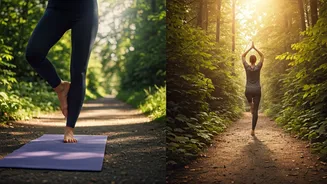
So, what changed? In short, we did. The cultural conversation has shifted dramatically, driven by a collective exhaustion with hustle culture and a growing prioritization of mental health. The pandemic was an accelerator, forcing millions to confront their mortality, their stress levels, and the frantic pace of their pre-2020 lives. Confined to our homes, many people’s relationship with movement began to change. A walk outside wasn't about burning calories; it was a lifeline for sanity. A living-room yoga session wasn't about toning; it was about finding a moment of peace. This experience dovetailed with the rise of the body neutrality and anti-diet movements, which challenge the idea that our worth is tied to our weight or appearance. People began questioning whether their fitness goals were truly serving their well-being or just feeding a cycle of self-criticism. The result is a widespread rejection of the all-or-nothing approach in favor of something more compassionate and enduring.
Movement for Your Mind
The new fitness goals are less about outcomes and more about feelings and functions. Instead of aiming to “lose 10 pounds,” people are aiming to “reduce anxiety” or “sleep better.” Rather than chasing a marathon time, they’re focused on “building enough strength to carry groceries without back pain.” This shift is reflected in trending fitness concepts. “Cozy cardio,” for example, involves low-impact activities like walking on a treadmill while watching a favorite show. The goal isn’t a heart-pounding sweat session; it’s consistency and enjoyment. “Intuitive movement” encourages listening to your body and choosing an activity based on your energy levels that day—be it a gentle stretch, a brisk walk, or a dance party in your kitchen. The focus is on longevity, mobility, and mental clarity. This reframing turns exercise from a daunting obligation into a form of self-care, a tool for managing the stresses of modern life and investing in a future self who can move with ease and freedom.
How to Redefine Your 'Why'
If you're feeling inspired to make this shift, the first step is to get curious about your own motivations. Ask yourself why you work out. If the answer is rooted in shame or a desire to “fix” your body, it might be time for a reset. Try focusing on process goals instead of outcome goals. For example, instead of “I want to run a 5K,” try “I will go for a walk or jog twice this week.” This frames success around the act of showing up for yourself, which builds confidence and consistency. Experiment with different types of movement until you find something you genuinely enjoy. If you hate running, don’t run. Maybe your thing is rock climbing, pickleball, swimming, or following a YouTube dance tutorial. The best workout is the one you’ll actually do. Finally, grant yourself grace. Some days you’ll have the energy for a hard workout; other days, a 10-minute stretch is a huge win. Both are valid. The goal is no longer perfection; it’s participation.