




Welcome to the Comfort Economy
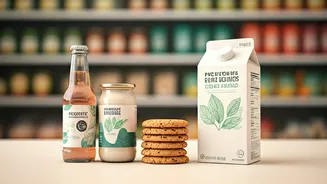
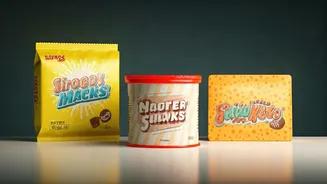
Walk down the snack or freezer aisle, and you’ll notice a distinct shift. The minimalist, sterile packaging of the 2010s—which screamed “clean ingredients” and “functional fuel”—is being replaced by something much warmer and fuzzier. Today’s hot new products
come wrapped in playful fonts, pastel colors, and names that sound less like a food and more like a friend. Think of brands like Goodles, which promises “gooder” noodles, or Magic Spoon, which offers a guilt-free return to the Saturday morning cartoons and sugary cereals of your youth. This isn't an accident; it's a calculated response to a world that feels increasingly stressful and uncertain. Marketers have realized that after years of anxiety, consumers aren’t just looking for sustenance. They're looking for solace. They’re buying comfort, nostalgia, and a small dose of emotional stability. We're living in a full-blown comfort economy, and our pantries have become the front line.
From 'What It Does' to 'How It Feels'
For a long time, food marketing was about benefits. This bread has more fiber. This yogurt has more protein. This soda has zero calories. The pitch was logical, appealing to the part of our brain that makes rational decisions about health and wellness. Brands were a solution to a problem, whether that problem was weight management, athletic performance, or dietary restrictions. But that script has flipped. The new wave of branding focuses almost exclusively on the emotional payoff. Magic Spoon doesn't lead with its protein content (though it's high); it leads with the feeling of being a kid again. Jeni’s Splendid Ice Creams sells pints with story-driven names like “Brown Butter Almond Brittle” that evoke a specific, cozy experience. The value proposition is no longer purely functional. It's about identity and feeling: buying this product makes you a person who is fun, mindful, or in touch with your inner child.
The Irresistible Power of Nostalgia
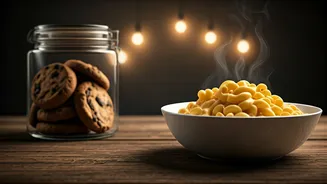
Among all the emotions brands are selling, nostalgia is the undisputed champion. It's a marketing superpower. In a fast-changing and often chaotic world, the past feels like a safe harbor. Nostalgia provides a sense of continuity and comfort, reminding us of simpler, happier times—even if those times are selectively remembered. Food brands are masters of this art. We see it when legacy companies like Campbell's or Kraft lean hard into their heritage, reminding us they’ve been a source of comfort for generations. But it's also a key tool for startups aiming to connect with Millennial and Gen Z consumers. Packaging design mimics the 70s, 80s, and 90s. Flavors that were discontinued decades ago make triumphant returns. It works because nostalgia is a pre-approved emotion. We already have a positive association with it, and brands that tap into it get to borrow that goodwill for free.
Is It a Hug or a Sales Pitch?
The cynical take, of course, is that this is all just masterful manipulation. Are these brands offering a genuine emotional connection, or are they simply manufacturing a feeling to justify a premium price point? The answer is probably a bit of both. The need for comfort that these products address is very real. And for many consumers, paying a few extra dollars for a cereal that brings a spark of joy to a dreary morning feels like a worthwhile transaction. At the same time, it’s a deliberate business strategy. Building a brand around a feeling rather than a function creates a much stickier relationship with the consumer. You might switch to a different protein bar if a new one has better macros, but it’s much harder to replace a product that feels like a part of your identity. Emotional branding is the ultimate moat, protecting a company from a purely price- and feature-based competition.