

Redefining Indulgence
Think of traditional Indian sweets, or *mithai*. Visions of glistening Jalebis soaked in sugar syrup, rich and crumbly Ladoos, or decadent, ghee-laden Halwa often come to mind. These are foods of celebration, of festivals, of unbridled joy. For decades,
the sweeter and richer the treat, the better. But across India’s bustling cities, a quiet revolution is taking place on the nation's palate. The modern Indian foodie, globally connected and increasingly health-aware, is starting to ask for more. They still want treats, but they want them to be sensible. This isn't about deprivation or bland “diet food.” Instead, it’s a movement toward “conscious indulgence”—a desire for desserts and snacks that are thoughtfully made, nutritionally balanced, and just as delicious as their classic counterparts. This shift is driven by a confluence of factors: rising awareness of lifestyle diseases like diabetes, a global wellness trend that has firmly taken root in urban India, and a renewed pride in indigenous, nutrient-dense ingredients that were once overshadowed by processed foods.
The New Pantry: Millets, Jaggery, and More
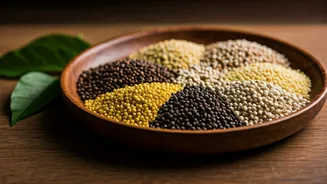
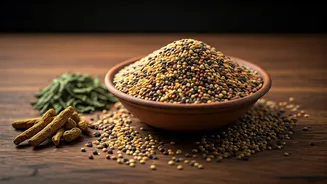
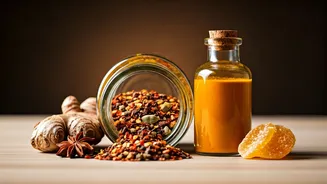
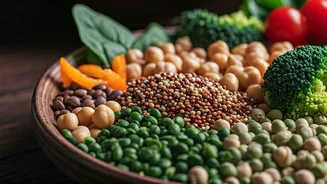
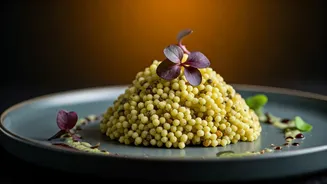
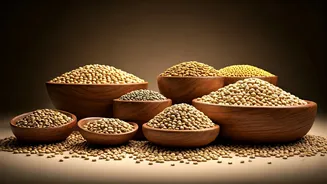
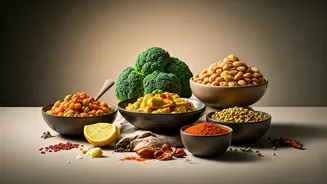
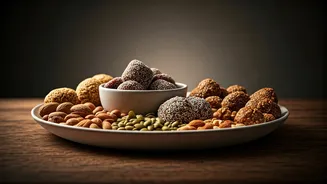
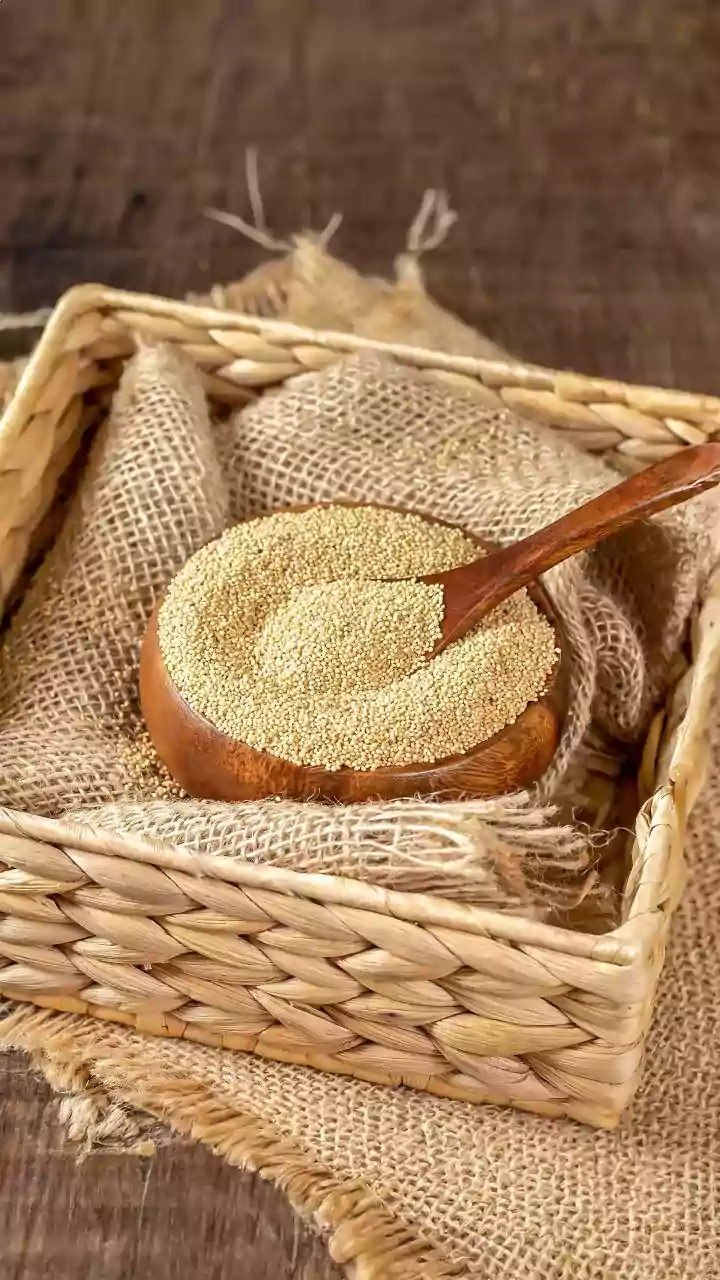
The heart of this culinary transformation lies in a reimagined pantry. The villains being phased out are refined white sugar and all-purpose flour (*maida*). In their place, a host of wholesome, traditional alternatives are making a triumphant comeback. Millets, once considered a humble rural staple, are now the star ingredient in everything from cookies to cakes. These ancient, gluten-free grains like ragi (finger millet) and jowar (sorghum) are packed with fiber and micronutrients, offering a complex, earthy flavor profile. Refined sugar is being replaced by natural sweeteners like jaggery (*gur*), a deeply flavorful, unrefined cane sugar rich in minerals, as well as palm sugar, dates, and honey. You’ll find bakeries offering dense, moist ragi-chocolate cakes sweetened with jaggery or energy balls made from dates, nuts, and seeds. The focus has shifted from empty calories to nutrient density, proving that a treat can be both delicious and genuinely nourishing. This isn’t about compromise; it’s about upgrading the very building blocks of what makes a treat.
Tradition, Reimagined
This movement is less about invention and more about intelligent innovation. Chefs and home bakers aren't throwing away centuries of culinary heritage; they're respectfully reinterpreting it for a modern audience. Classic recipes are being deconstructed and rebuilt with a healthier foundation. Imagine a Gulab Jamun, traditionally a deep-fried milk solid dumpling soaked in heavy syrup. The modern version might be baked instead of fried, served in a lightly spiced, saffron-infused syrup sweetened with stevia. The calorie-dense Besan Ladoo, made with chickpea flour, ghee, and sugar, is being reimagined with a portion of the ghee replaced by almond butter and the sugar swapped for finely chopped dates. We're seeing avocado-based chocolate mousse, vegan Kheer (rice pudding) made with oat milk and coconut sugar, and gluten-free breads made from water chestnut or buckwheat flour. Brands are emerging that specialize in just this niche, offering packaged goods that promise “guilt-free” indulgence and clean labels, tapping into a market that is hungry for convenience without compromise.
Beyond the Sweet Tooth
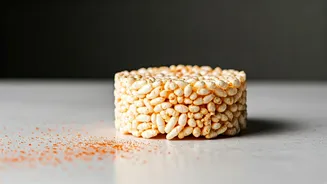
This quest for sensible treats extends well beyond the dessert plate. The Indian snack market, long dominated by fried temptations like samosas and potato chips, is undergoing a similar makeover. Aisles in urban grocery stores are now lined with baked, not fried, snacks. Think crunchy chips made from lentils, quinoa, or beetroot. Puffed lotus seeds, or *makhana*, have exploded in popularity, sold in gourmet flavors like peri-peri and truffle salt as a light, protein-rich alternative to popcorn. Traditional savory snacks are getting a facelift too, with baked *chakli* (a spiral-shaped savory crisp) and air-fried vegetable cutlets becoming popular party fare. Consumers are reading labels more carefully than ever, looking for clean ingredients and avoiding preservatives and trans fats. The demand is for snacks that can be enjoyed between meals without derailing a healthy lifestyle, providing sustained energy rather than a quick, empty fix.