


From Utilitarian to Unmissable
Not long ago, a reusable water bottle was a simple, virtuous choice—a nod to environmentalism and a practical tool for staying hydrated. You might have had a trusty Nalgene covered in stickers from your college days or a sleek, minimalist S’well bottle.
But somewhere between TikTok influencers and a collective obsession with wellness, the water bottle underwent a radical transformation. It became a personality hire. Today, the most coveted bottles are less about function and more about fashion, identity, and community. They are to 2024 what the It Bag was to 2004: a highly visible, moderately expensive signal of who you are, or at least who you aspire to be. Brands like Stanley, Owala, and Hydro Flask aren’t just selling insulated containers; they’re selling an aesthetic, a sense of belonging, and a tangible piece of the ever-elusive wellness lifestyle.
The Anatomy of a Hype Cycle
The Stanley Quencher is the undeniable king of this movement. Originally a niche product for workmen, the 40-ounce tumbler was catapulted to superstardom by a group of female bloggers and a savvy marketing pivot. Stanley embraced its new audience, releasing the Quencher in a rainbow of limited-edition “drops” that mimicked sneaker culture. Suddenly, buying a water bottle felt like an event. Scarcity and social media turned hydration into a competitive sport. This created a powerful feedback loop. Influencers unboxed their latest colorway, followers rushed to buy it before it sold out, and the bottle’s sheer size and distinctive handle made it an unmissable prop in every video and photo. It became a physical marker of being in-the-know, a membership card to an informal club of the hydrated and trendy. Owala found similar success with its FreeSip spout, creating a different kind of loyal following built on clever design and its own array of vibrant colors.
Wellness as a Visual Brand
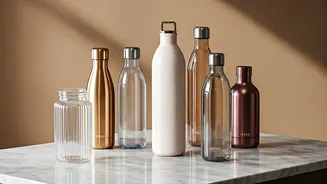
Carrying a 40-ounce jug of water is a performance. It’s a way to broadcast, “I am taking care of myself.” In a culture that increasingly values health as a core tenet of a successful life, the wellness bottle is the perfect accessory. It’s cheaper than a gym membership, easier than meal prepping, and offers a constant, comforting reminder of your commitment to well-being. It’s no coincidence this trend has boomed post-pandemic, a time when many re-evaluated their health priorities. The bottles themselves are designed to be seen. Their cheerful pastels and bold metallics are meant to be coordinated with outfits, desk setups, and car interiors. People buy custom charms, silicone snack trays that fit over the top, and special carriers to personalize their bottles further. It’s a phenomenon dubbed the “emotional support water bottle,” a constant companion that offers not just hydration, but a small dose of comfort, control, and aesthetic pleasure in a chaotic world.
The Paradox of Conscious Consumption
There is, of course, a deep irony at the heart of this trend. The original premise of a reusable bottle was to reduce waste. Yet, the current craze encourages a form of hyper-consumption that feels closer to fast fashion. When a new, must-have color drops, devotees will line up at Target or crash a website to add another $45 bottle to their collection of perfectly good, previously-must-have bottles. This behavior highlights a tension in modern consumerism. We want to be sustainable, but we also want the dopamine hit of the new and the social capital of the cool. The wellness bottle lives at this exact intersection. It allows us to feel virtuous for choosing a reusable option while simultaneously participating in a trend-driven cycle of acquisition. We’re saving the planet, one limited-edition, bubblegum-pink tumbler at a time.