



The Promise of a Fragrant Season
The headline's lovely sentiment—a plant that offers beauty from the first spring rains well into the crisp days of autumn—is more than just poetry. For gardeners across the U.S., it’s an achievable goal. While many flowering vines have a spectacular but
short-lived bloom cycle, certain types of jasmine are true marathoners, producing wave after wave of intoxicatingly fragrant flowers. The secret isn't a special fertilizer or complex trick; it's simply selecting a variety known for its long or repeat blooming habit. These workhorse plants are perfect for covering an arbor, softening a fence line, or perfuming a patio, ensuring your outdoor space remains a sensory delight for more than half the year.
Common White Jasmine (Jasminum officinale)
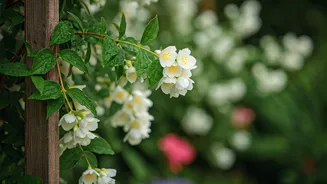
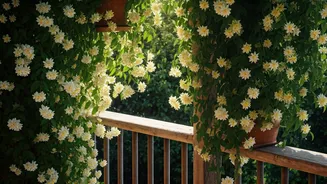
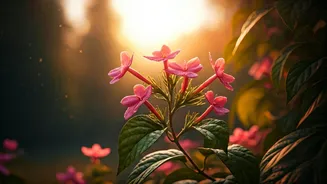
Often called Poet's Jasmine, this is the classic, hard-working vine many people imagine when they think of jasmine. Native to the Himalayas, it’s a deciduous to semi-evergreen vine that produces clusters of intensely fragrant, star-shaped white flowers. Its primary bloom is in late spring to early summer, but it doesn't stop there. A healthy, well-sited plant will continue to produce sporadic flushes of flowers right through to early fall, especially if it gets enough sun and water. It’s relatively hardy, thriving in USDA zones 7-10. Plant it where you can enjoy its scent on summer evenings—near a porch, window, or walkway. A light pruning after its main flush of flowers can encourage more blossoms later in the season.
Arabian Jasmine (Jasminum sambac)
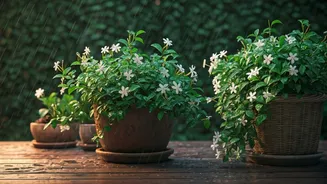
If you want a true continuous bloomer, look no further than Arabian Jasmine. This is the species famously used to flavor jasmine tea and make fragrant leis in Hawaii. Unlike varieties that bloom in one big wave, *Jasminum sambac* is an evergreen shrub or vine that flowers on new growth, meaning it can and will bloom nearly year-round in warm climates (zones 9-11). Cultivars like 'Maid of Orleans' produce single-petal flowers daily, while 'Grand Duke of Tuscany' offers denser, rose-like blooms. In cooler regions, it makes an exceptional potted plant. Simply bring it indoors to a sunny window before the first frost, and it will often continue to perfume your home through the winter, ready to go back outside when warmth returns.
The Ever-Reliable Star Jasmine (Trachelospermum jasminoides)
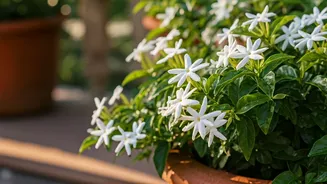
Here's a crucial distinction for gardeners: Star Jasmine is not a true jasmine. It belongs to a different genus entirely. However, when it comes to delivering a long season of fragrance and beauty, it’s one of the best plants for the job. This tough, evergreen vine produces a massive explosion of pinwheel-shaped, wonderfully fragrant white flowers in late spring. But after that main show, it continues to offer lighter, scattered blooms throughout the summer and into the fall. It's more cold-hardy than many true jasmines (thriving in zones 8-10) and is incredibly low-maintenance, tolerating a range of soil types and sun exposures. For a lush, green, and fragrant covering on a trellis or fence that performs for months, Star Jasmine is an undisputed champion.
Tips for a Longer Bloom
Regardless of which jasmine you choose, a few universal care tips will maximize its generosity. Most jasmines crave sunshine—at least six hours of direct sun per day is ideal for robust flowering. They prefer well-draining soil that’s kept consistently moist, but not waterlogged, especially during the hot summer months. Feed your plant with a balanced fertilizer low in nitrogen in the spring; too much nitrogen encourages leafy growth at the expense of flowers. Finally, don't be afraid to prune. For vining types, cutting back unruly stems and trimming spent flowers will not only keep the plant tidy but also stimulate the new growth that produces the next round of fragrant blossoms.