






Embracing the Off-Season Romance
Peak season travel has its merits: guaranteed sun, bustling nightlife, and every tourist attraction operating at full tilt. But it often comes at the cost of authenticity. The real magic, the kind that feels less like a vacation and more like a chapter
in your personal story, happens when the crowds go home. Enter the monsoon. In places like India’s Kerala, coastal Thailand, or Vietnam’s highlands, the rainy season is traditionally the ‘off-season.’ But for the discerning traveler, it’s the main event. The world is washed clean, the foliage becomes impossibly green and lush, and a thoughtful quiet descends. This isn’t the gloomy, week-long drizzle of a northern climate; it’s a dramatic, soul-stirring performance of nature, with intense downpours followed by brilliant, sun-drenched afternoons. Choosing to travel during this time is a deliberate act—a rejection of the checklist in favor of the atmosphere.
Why a Homestay, Not a Hotel
A sterile, air-conditioned hotel room, however luxurious, is designed to insulate you from the local environment. It’s a bubble of generic comfort that could be anywhere in the world. A homestay, on the other hand, is an anchor. It grounds you in the place you’ve come to see. Imagine waking up not to a buffet breakfast, but to the smell of spices being tempered in a family kitchen for a traditional Keralan breakfast. You’re not a tourist in a compound; you’re a guest in a home. The architecture is local, the furniture tells a story, and your host is a direct line to the culture—offering tips not found in any guidebook, sharing stories, and making you feel like a temporary part of the fabric of the community. This intimate setting is the stage on which your main character moments can unfold.
The Soundtrack Is the Rain
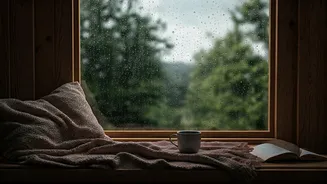
The defining feature of a monsoon trip is, of course, the rain itself. And from the veranda of a homestay, it’s not an inconvenience; it’s the entire point. It’s the percussive soundtrack to your afternoon nap, the rhythmic drumming on a terracotta roof while you sip a steaming cup of chai or Vietnamese coffee. It’s the scent of petrichor—the intoxicating smell of rain hitting dry earth—that fills the air. In a hotel, rain is something to be avoided. In a homestay, it’s an experience to be savored. You watch the world through a curtain of water, feeling cozy and protected. This sensory immersion is what separates a trip from a journey. It forces you to be present, to notice the small details: the way a gecko clings to the wall, the vibrant color of a hibiscus flower beaded with water, the steam rising from a hot bowl of soup.
A Slower, More Introspective Pace
Main character energy isn’t about being the center of attention. It’s about being the center of your own narrative. The monsoon provides the perfect catalyst for this internal shift. When a sudden downpour cancels your plans to visit a temple or a market, you’re not left frustrated; you’re given a gift of unstructured time. This is the time to finally read that book you’ve been carrying, to journal, to have a long, meandering conversation with your host or a fellow traveler, or to simply sit and think. The external world slows down, forcing your internal world to catch up. Your travel goals shift from ‘doing’ to ‘being.’ Instead of rushing from one photo-op to the next, you find fulfillment in the quiet moments of observation and reflection. This is where the plot of your personal story deepens, where you have the space to process, dream, and simply exist as the protagonist of your own life.