

First, Understand the Thali
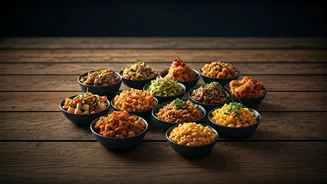
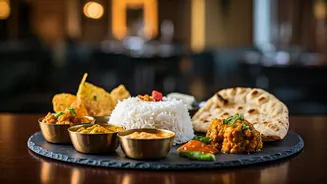
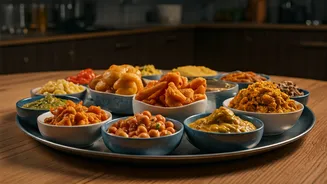
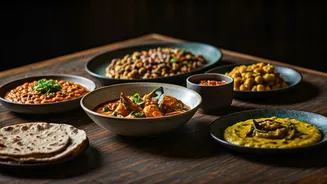
Before we can see its modern American echo, we have to appreciate the original. The thali is not just a meal in India; it’s a philosophy on a plate. The word itself means “plate” or “platter,” but the experience is one of holistic balance. A typical thali features
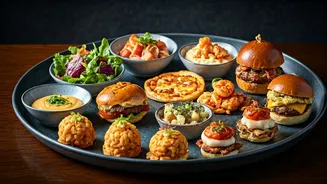
a dazzling array of small metal bowls (katoris) arranged on a single platter, each containing a different preparation. You might find a dal (lentils), a vegetable curry, a paneer dish, raita (yogurt), a pickle, a chutney, and a sweet, all served with rice or bread like roti or naan. The genius of the thali is its completeness. It’s designed to hit every flavor profile—sweet, salty, sour, bitter, spicy, and astringent—creating a full sensory journey. It’s also deeply regional. A Rajasthani thali is vastly different from a Gujarati or a South Indian one, offering a culinary snapshot of its specific place of origin. It’s a meal that says, “You don’t have to choose; you can have it all, in perfect harmony.”
The American Menu's New Map
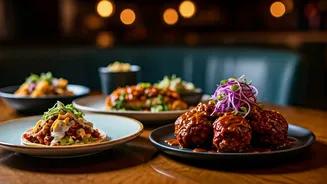
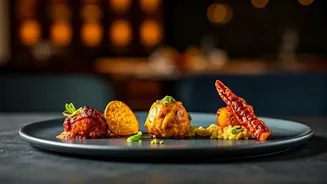
Now, look at the American dining scene. For decades, a restaurant’s identity was singular: it was an Italian place, a steakhouse, a sushi bar. But a new model is emerging, one that rejects this rigid geography. We see it most clearly in the explosion of high-end food halls. In one visit to a place like Chicago’s Time Out Market or New York’s Urbanspace Vanderbilt, you can eat a lobster roll from a vendor dedicated to New England seafood, then walk ten feet to grab a plate of Nashville hot chicken from a poultry specialist, and finish with a scoop of artisanal ice cream inspired by California produce. It’s a tour of the United States under one roof. This isn’t fusion, which blends influences into a single dish. This is a celebration of distinct regional identities, presented side-by-side. The same spirit is appearing in ambitious tasting menus, where a chef might take diners from a Lowcountry shrimp and grits-inspired first course to a Pacific Northwest salmon second course, ending with a dessert that riffs on a classic Pennsylvania Dutch funnel cake.
A Shared Spirit of Abundance and Curation
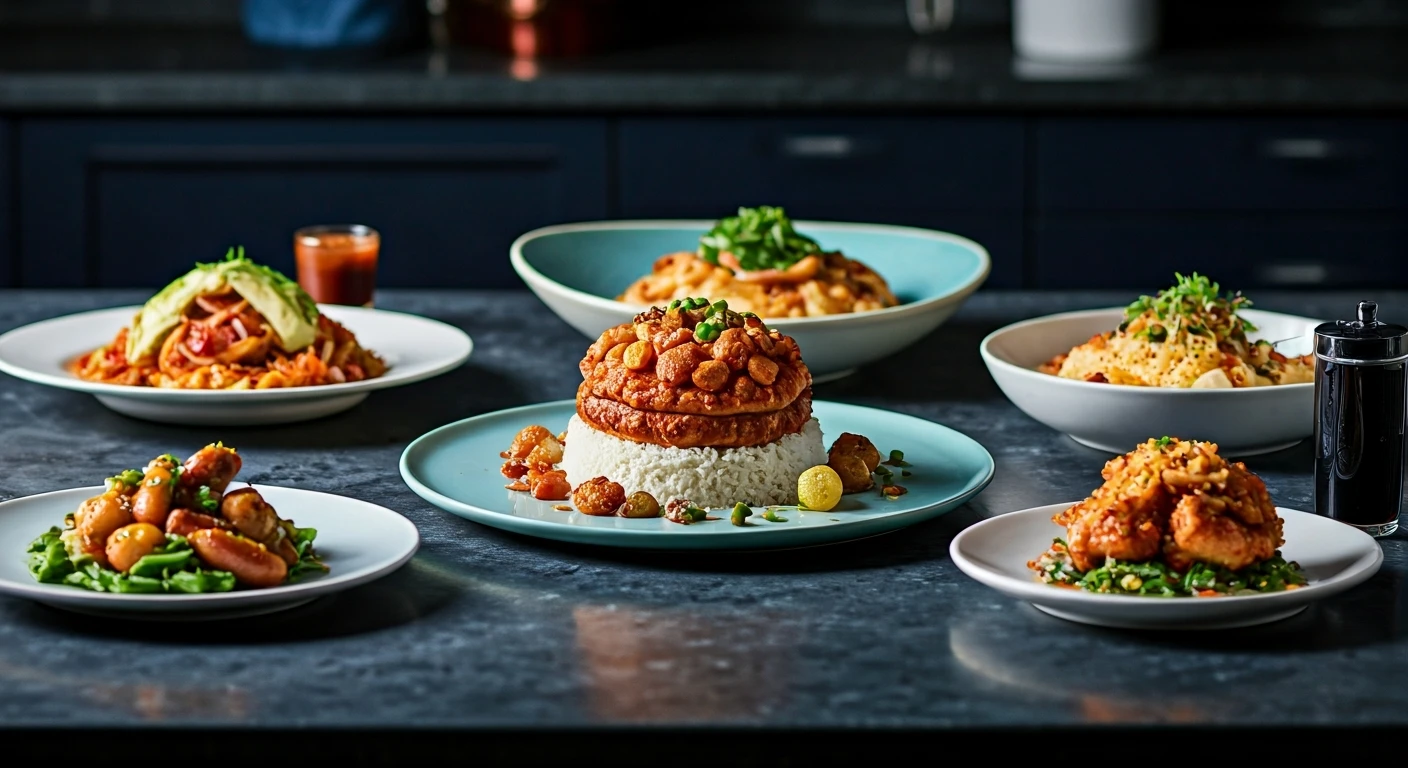
This is the “thali energy.” It’s the spirit of curated abundance. Just as a thali offers a tour of a region's cuisine on one platter, the modern multi-state dining concept offers a tour of a nation's cuisine in one meal or location. Both formats honor the paradox of choice by solving it. They provide variety without the anxiety of a wrong decision, because every option is part of a deliberate, complementary whole. The underlying principle is respect for the source. A thali isn’t a random collection of dishes; each one is prepared with its own integrity. Similarly, the best food halls aren’t serving a generic “American” menu. They are platforms for specialists—chefs who have perfected one thing, be it Texas-style brisket or the perfect Philly cheesesteak. The diner gets the benefit of expertise from multiple masters in a single, fluid experience.
Why This Isn't Just a Buffet
It’s crucial to distinguish this trend from the classic American buffet. The buffet often prioritizes endless quantity over quality, leading to lukewarm chafing dishes and a sense of overwhelming, indistinct choice. The thali, by contrast, is about proportion and intention. Each small bowl has its place. The new wave of multi-state dining follows this model. Portions are thoughtful, and the focus is on the quality of each individual component. You’re not just piling your plate high; you’re assembling a meal from a collection of best-in-class options. This shift reflects a maturing American palate. We’ve moved past the novelty of “exotic” international foods and are now turning that same curiosity inward, eager to explore the deep and diverse culinary traditions within our own borders.