





The New Furry Family Member
For decades in many parts of India, dogs were primarily for guarding and cats were semi-feral pest control. But that reality is rapidly changing, especially in major metropolitan areas. A confluence of factors—rising disposable incomes, smaller nuclear
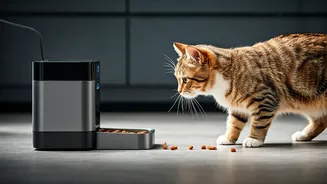
families, and a globalized view of companionship—has elevated pets from property to family. This new dynamic has given rise to the 'pet parent,' an owner who invests deeply in their animal's well-being, mirroring trends seen in the U.S. and Europe. This shift is most pronounced among millennials and Gen Z in cities like Delhi, Mumbai, and Bengaluru. Living in apartments and condos, their pets are fully integrated into their indoor lives. This proximity has fueled a multi-billion dollar pet care industry, complete with gourmet food, specialized grooming, and advanced veterinary services. And with this intense focus on pet wellness comes a new awareness of the hidden dangers lurking inside the home.
Hidden Dangers in the Urban Jungle
The desire to bring nature indoors is universal, but for pet owners, a beautiful houseplant can pose a serious threat. Many common decorative plants are toxic to cats and dogs. Lilies, for example, are a staple in floral arrangements but are lethally toxic to cats, causing irreversible kidney failure from a single nibble. Sago palms, popular for their tropical look, can cause liver failure in dogs. Other popular but perilous plants include philodendrons, oleander, and dieffenbachia (dumb cane). As Indian pet parents become more educated through online resources and veterinary advice, they are growing increasingly anxious about these risks. The enclosed environment of an apartment means a bored or curious pet is more likely to chew on a leaf. The fear of a tragic accident has led many to seek out safer alternatives, sparking a demand for plants that are not just non-toxic, but actively beneficial.
The Rise of Pet-Friendly Greens
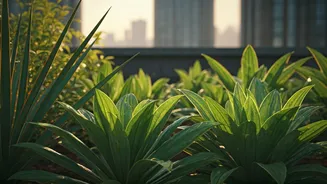
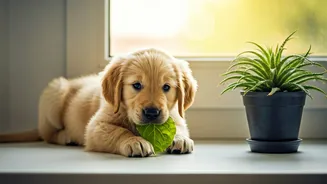
The solution emerging is a move toward 'pet greens'—specific types of grasses and herbs that are safe for consumption. The most popular among these is simple 'cat grass,' which is typically a blend of wheat, barley, or oat seeds grown in a small pot. For cats, chewing on this grass can aid digestion, help prevent hairballs, and provide some minor nutrients. It satisfies their natural instinct to chew on plant matter without the risk of poisoning. Beyond basic grasses, pet-safe herbs like catnip and catmint are also seeing a surge in popularity. For dog owners, the focus is more on simply avoiding toxic plants and opting for safe alternatives like spider plants, prayer plants, or certain types of ferns. Nurseries and online plant retailers in India are beginning to capitalize on this, marketing 'pet-friendly' plant bundles and clearly labeling which species are safe for households with four-legged friends.
A Reflection of a Broader Shift
This trend of curating indoor gardens for pet safety is more than just a horticultural fad; it’s a powerful indicator of a larger cultural transformation. It highlights the 'humanization' of pets, where their emotional and physical needs are considered with the same seriousness as a human family member's. The willingness to spend time and money sourcing specific types of grass or redesigning a home's decor around a pet's safety speaks volumes about the new status of companion animals in urban India. This movement mirrors the explosive growth in the organic and wellness markets for humans. Just as people now scrutinize food labels and chemical ingredients for themselves and their children, they are applying that same level of care to their pets. The choice to cultivate a pot of cat grass on a windowsill is a small but significant act, representing a deeper commitment to a new kind of interspecies family.