





The Old Stereotype Is Fading
For decades, the weight room was typecast. It was the exclusive domain of bodybuilders chasing massive biceps and athletes looking for a competitive edge. For the average person, especially women, older adults, or anyone not aspiring to look like Arnold
Schwarzenegger, it felt like a private club with an unwritten dress code of sweatpants and scowls. The message, implicit or explicit, was clear: this isn't for you. But that monolithic image has shattered. Walk into a modern gym, and you're just as likely to see a 70-year-old grandmother performing a deadlift as you are a college football player. You'll find women who have discovered that lifting builds confidence, not just bulk. The cultural shift is undeniable, driven by a perfect storm of better science, social media influencers demystifying the process, and a fitness industry that finally realized inclusivity is good for business.
It’s Not About Getting ‘Big’ Anymore
Perhaps the biggest change is our understanding of *why* we should lift. The conversation has moved beyond aesthetics and pure muscle size. Thanks to a mountain of accessible research, we now know that resistance training is one of the most powerful tools for long-term health. The benefits are holistic, impacting nearly every system in the body. Strength training is crucial for maintaining bone density, which helps stave off osteoporosis as we age. It revs up your metabolism, as muscle tissue burns more calories at rest than fat does. It improves insulin sensitivity, reducing the risk of type 2 diabetes. Most importantly, it builds functional strength—the ability to carry groceries, play with your kids, lift a suitcase into an overhead bin, and move through life with independence and without pain. It’s less about looking a certain way and more about feeling capable and resilient in your own body.
The New Faces of Strength
The movement’s new champions don't look like the bodybuilders of the '80s. They’re physical therapists on Instagram showing modifications for seniors, working moms sharing their progress, and wellness experts framing strength training as a form of self-care. This has been particularly transformative for women, who have been fed the myth for decades that lifting heavy weights will make them “bulky.” The reality is that most women lack the hormonal profile (specifically, the high testosterone levels) to build massive muscle mass. Instead, they’re discovering that lifting creates a toned, strong physique and, more profoundly, a powerful sense of accomplishment. Similarly, older Americans are embracing the weight room as a key to longevity. Combating sarcopenia—the natural age-related loss of muscle mass—is now seen as a critical part of healthy aging. A stronger body means better balance, a lower risk of falls, and the ability to stay active and independent for longer.
How to Dip Your Toe In
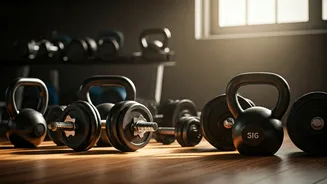
The idea of starting can still be daunting, but the barriers to entry are lower than ever. You don't need a membership at a hardcore powerlifting gym. Many people start at home with a set of dumbbells or even just their own body weight, following one of the countless free, high-quality beginner programs on YouTube. Boutique fitness classes, from CrossFit to Orangetheory, offer structured, community-driven environments that guide you through the movements. If you join a commercial gym, don't be afraid to invest in a few sessions with a certified personal trainer. Their job is to teach you proper form, build a program tailored to your goals, and give you the confidence to walk into the weight area on your own. The key is to start slow, focus on form over weight, and remember that consistency is more important than intensity in the beginning.