

The Age of Glossy Aspiration
To understand the shift, you first have to picture what’s being left behind. The aesthetic that dominated many urban Indian homes in the 2000s and 2010s was one of unapologetic newness and global sophistication. It was a visual language of arrival, marked
by polished surfaces, imported-style furniture, and synthetic materials that shone under recessed lighting. Think floor-to-ceiling mirrored wardrobes, high-gloss kitchen cabinets, and faux-leather sofas. This look was clean, sharp, and felt distinctly modern—a departure from the heavy, carved woods of previous generations. It was the interior design equivalent of a luxury hotel lobby, signaling that its owner was connected, successful, and part of a globalized world. But while it looked impressive, it often felt impersonal and disconnected from its local context.
Enter the Green, Grounded Home
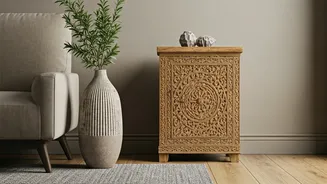
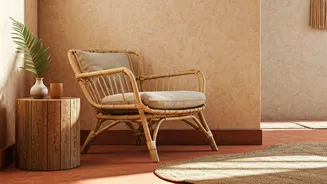
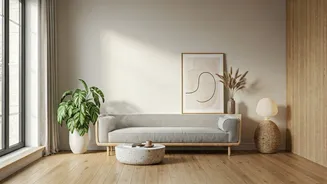
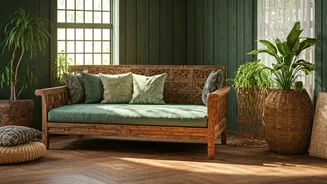
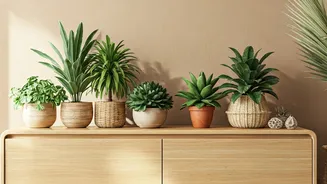
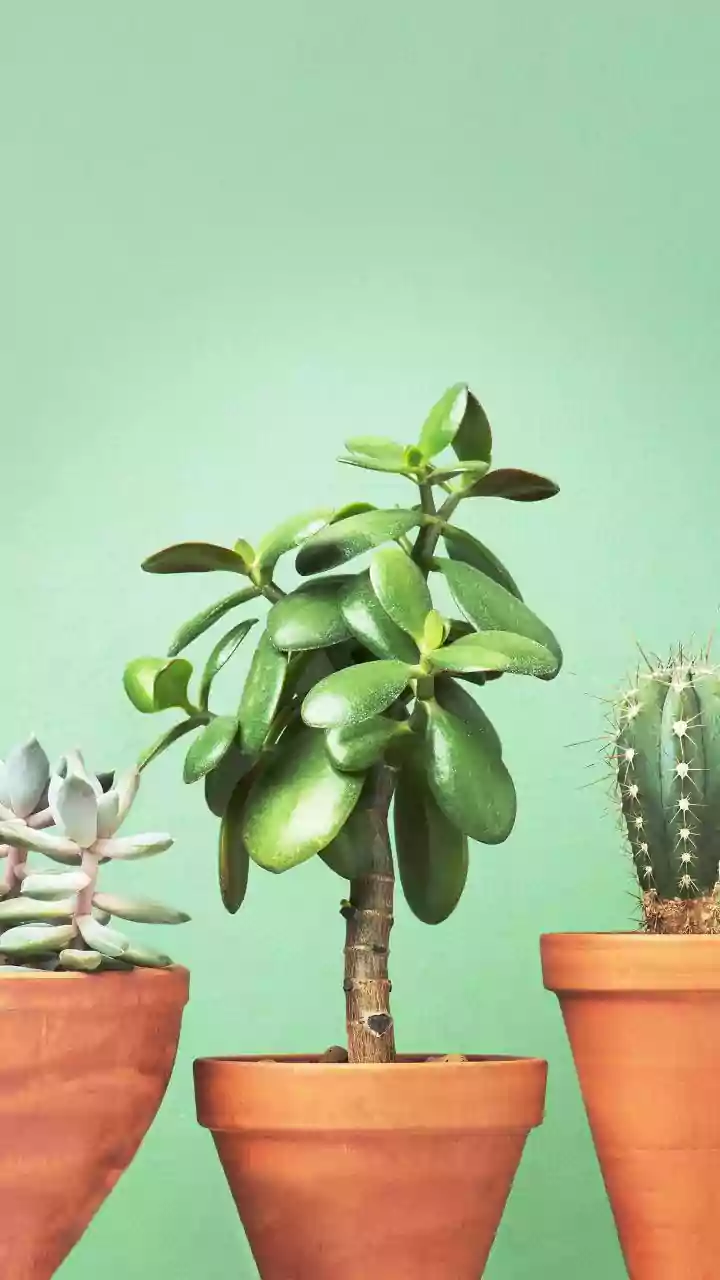
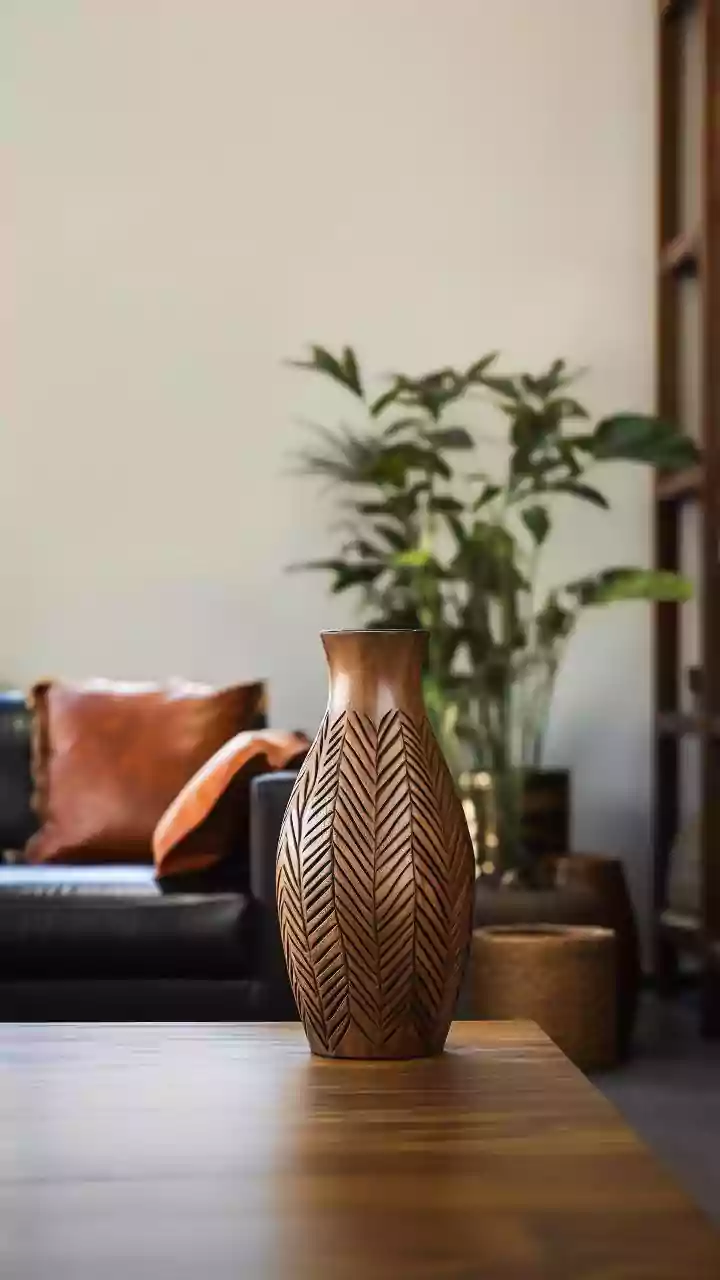
The new wave in Indian interiors is a direct response to that manufactured perfection. The "green" in the trend is twofold. First, and most visibly, it's about biophilia: the integration of nature into the home. Monstera leaves unfurl in living rooms, money plants cascade from bookshelves, and balconies have transformed into lush, miniature gardens. The goal is to create a living, breathing sanctuary that blurs the line between indoors and out. Second, "green" signifies a move toward sustainability and natural materials. The glossy veneers are being replaced with the matte, tactile textures of reclaimed teak, bamboo, cane, and rattan. Polished granite is giving way to locally sourced Kota stone or handmade terracotta tiles. It’s a design ethos that values patina over polish, and character over cold perfection.
From Wellness to a New Status Symbol
So, what’s driving this change? The global pandemic was a major catalyst. As people spent unprecedented amounts of time at home, the desire for a space that nurtured well-being skyrocketed. A home wasn't just a place to sleep anymore; it had to be an office, a gym, a school, and most importantly, a sanctuary from the stresses of the outside world. Plants and natural light became essential for mental health. But the trend runs deeper than just post-COVID nesting. For a new generation of Indian homeowners and designers, luxury is being redefined. It’s no longer about the shiniest object or the most obvious display of wealth. Instead, true status lies in authenticity, conscious consumerism, and craftsmanship. A handcrafted clay pot from a village artisan is now more coveted than a mass-produced vase from a global chain.
A Return to Indian Roots
This movement is also a powerful act of cultural reclamation. In embracing natural materials and traditional crafts, designers and homeowners are looking inward, celebrating India's rich heritage of artisanship. Instead of generic modern furniture, you now see homes featuring charpai-style daybeds, hand-block printed textiles from Jaipur, intricate bidriware metalwork, and Chettinad plaster finishes. This isn't about creating a museum of historical artifacts. It’s about integrating these elements into a contemporary context, creating a style that is uniquely and proudly modern Indian. It’s a quiet confidence that says we don’t need to borrow an international aesthetic wholesale; we can create a world-class look from our own soil, skills, and stories.