




The 'Just-in-Case' Rental Car
This is the classic Plan B for a reason, but it requires finesse. The key isn't to book a non-refundable car you might not use; it's to book a fully cancelable one. Many major rental companies—and booking sites like Costco Travel or Autoslash—allow you to reserve
a car with no prepayment and free cancellation up to the time of pickup. Book a car at your destination airport or a nearby city-center location. If your primary transport works out, you can cancel it with a few clicks, often right from your phone, at no cost. If your flight gets scrubbed, you’ve got a guaranteed set of wheels waiting. This strategy works best for trips where driving is a viable, if not ideal, alternative. Check for one-way rental options, but be prepared for higher fees.
Know Your Regional Transit Network
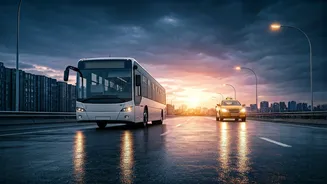
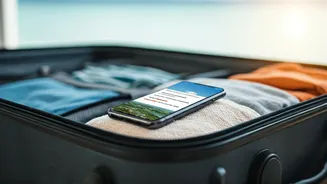
Most Americans instinctively think 'flight' or 'car' and forget the vast network of buses and trains that crisscross the country. Before you leave, take five minutes to identify the alternate carriers serving your route. Is there an Amtrak line that runs parallel to your flight path? Is your destination served by a regional bus line like Greyhound, BoltBus, or Megabus? These services can be surprisingly comfortable, affordable, and equipped with Wi-Fi. In a pinch, being able to quickly pull up the bus schedule on your phone and book a ticket can be the difference between getting stranded and getting to your hotel. Think of it as mapping your 'escape route' before you even leave home.
Embrace Peer-to-Peer Car Sharing
Traditional rental car companies can be rigid and expensive, especially for last-minute or one-way needs. This is where car-sharing platforms like Turo shine. Turo allows you to rent cars directly from local owners, and it often provides more flexibility and variety than a standard agency. You might find a car owner willing to accommodate a one-way trip for a reasonable fee, or you could find a car available near a train station when all the airport lots are sold out. The app-based interface means you can often book and access the car in minutes, which is exactly what you need in an emergency. It's a fantastic option for bridging the 'last 50 miles' of a journey if your primary transport gets you close, but not all the way.
Use Ride-Sharing Strategically
Relying on Uber or Lyft for a 200-mile journey is rarely a good idea—it’s expensive and drivers may decline the long fare. But these services are invaluable strategic tools. Use them to solve smaller logistical problems. For example, if your flight into a major hub is canceled but a flight to a smaller, regional airport 60 miles away is available, a ride-share can bridge that gap. If your train is canceled, a ride-share can get you from the train station to a bus depot or rental car office across town. Don't think of it as a replacement for your entire journey; think of it as the flexible glue that can connect the different pieces of your new backup plan.
Build a Multi-Modal Itinerary
The most resilient travel plans are often multi-modal, meaning they combine different forms of transport. Instead of relying solely on one flight, consider a plan where you fly to a major city and then take a scenic train ride for the final leg. This doesn't just build in redundancy; it can also make the journey part of the vacation. If the flight gets canceled, you might be able to pivot and take the train the entire way. If the train has issues, you can look for a bus or rental car from your stop-over city. This approach changes your mindset from having one single point of failure to having a web of interconnected options, giving you the flexibility and confidence to handle almost any disruption.