


The Great Transformation
Imagine a landscape parched and dusty from months of searing heat, suddenly quenched. From roughly June to September, the Indian monsoon sweeps across the subcontinent, and its arrival is more than just a weather event—it's a national celebration. The
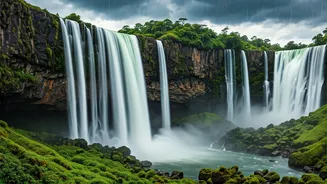
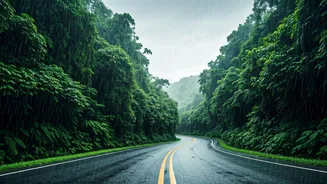
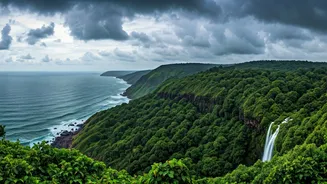
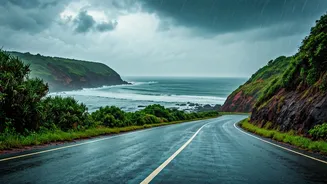
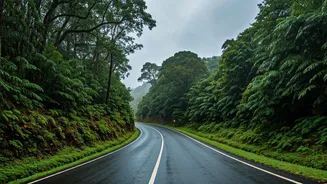
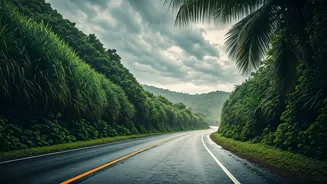
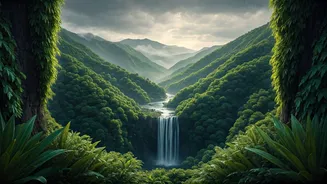
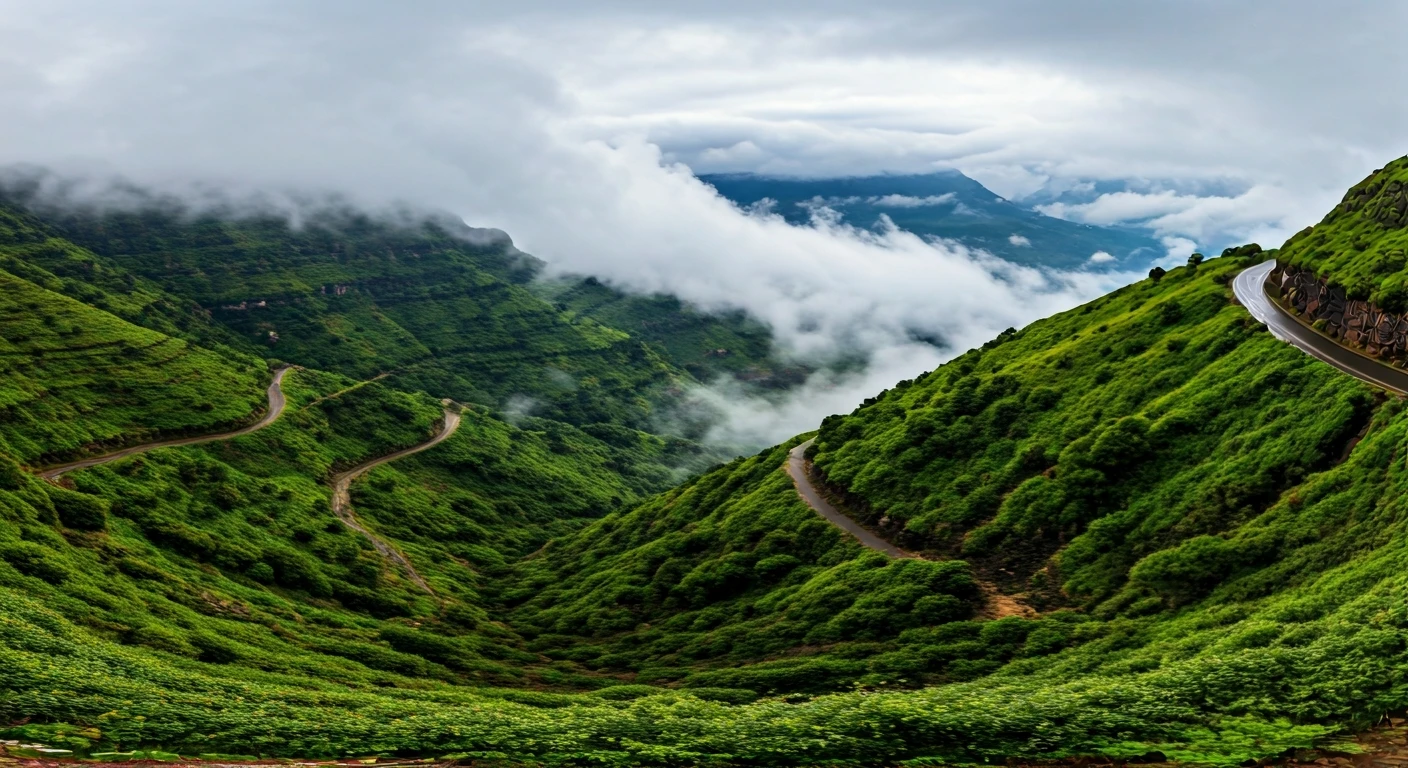
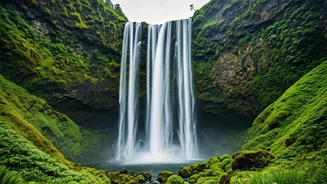
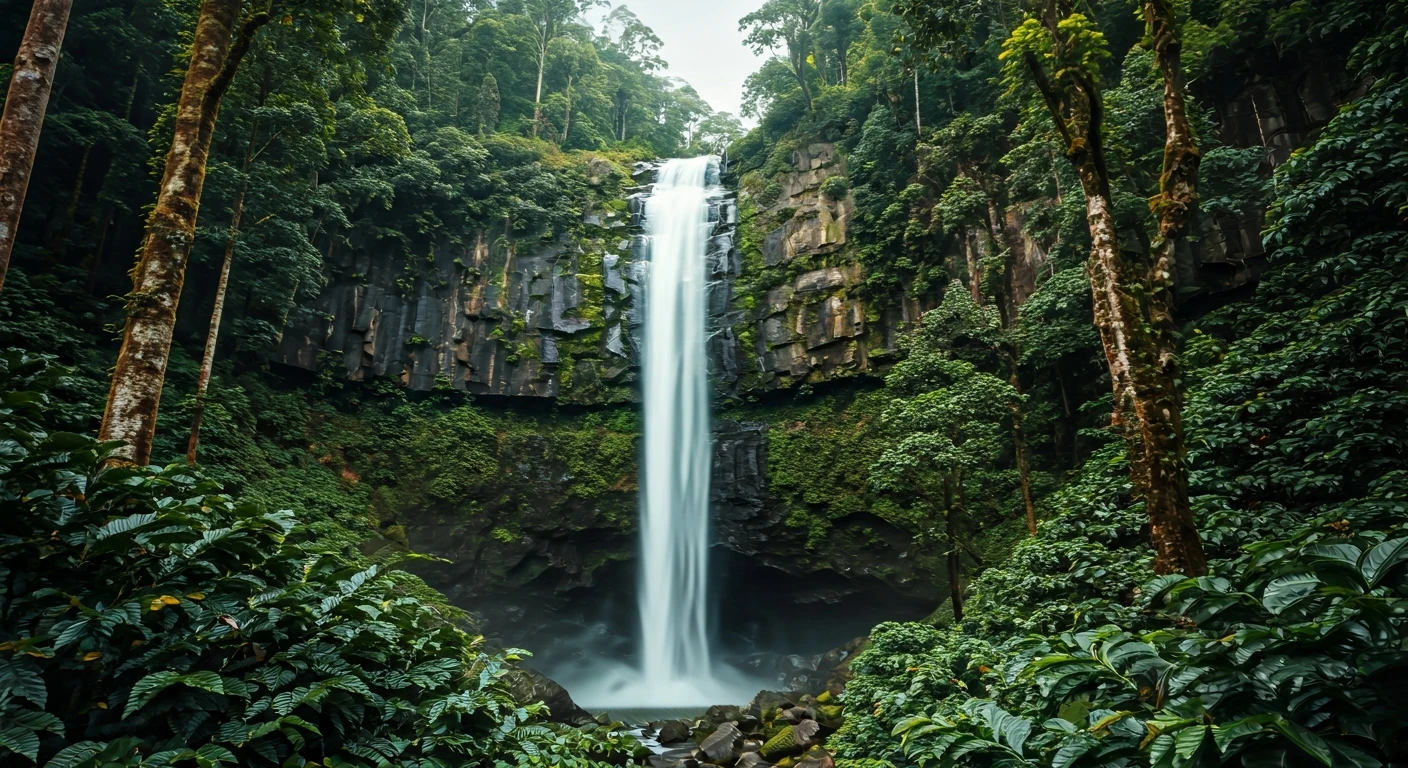
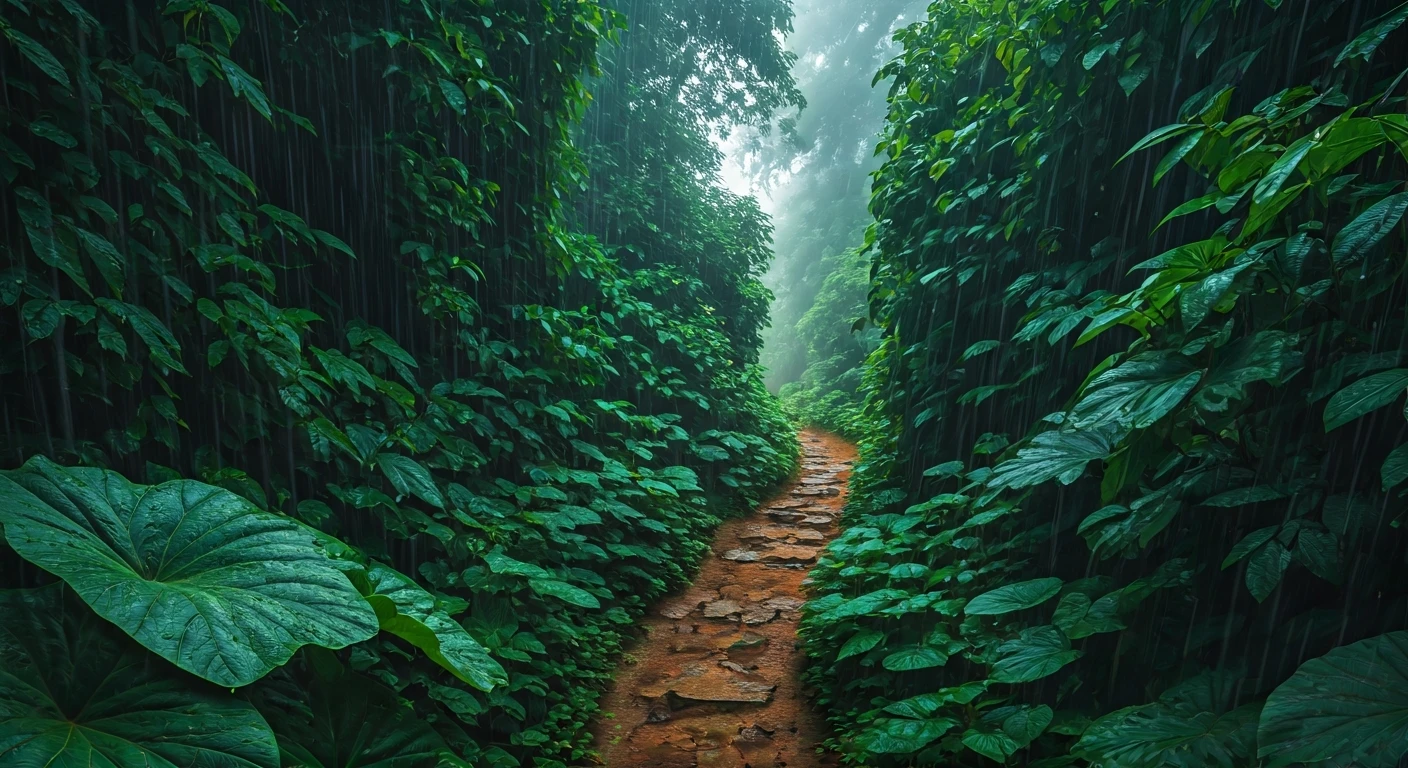
rains break the oppressive summer heat, wash the air clean, and trigger a dramatic and rapid transformation. Hillsides that were brown and listless erupt in a hundred shades of impossible green. Rivers swell, and the dry, rocky cliffs that scar the countryside become conduits for thousands of temporary, and hundreds of permanent, magnificent waterfalls. This isn't a gentle drizzle. The monsoon is a powerful, life-giving force, and its visual climax is the waterfall. For millions of Indians, the season isn't something to be endured indoors. It’s an invitation to get in the car and witness the rebirth of the landscape firsthand. This period is affectionately known as “waterfall season,” a time when the journey, often through mist-shrouded roads, is as much a part of the experience as the destination.
The Weekend Waterfall Rush
The culture of “waterfall chasing” is a beloved pastime, particularly for city dwellers in places like Mumbai, Pune, and Bangalore. The Western Ghats, a mountain range running parallel to India's western coast, becomes the epicenter of this activity. On weekends, highways leading out of the cities are filled with families and groups of friends on a mission. Their goal: to find a spot to marvel at the cascades, feel the cool spray, and maybe even take a daring, chilly dip in a designated pool.
The atmosphere is festive and communal. Roadside stalls, which were dormant just weeks before, pop up selling hot, sweet tea (chai), roasted corn on the cob (bhutta) seasoned with lime and chili, and deep-fried vegetable fritters (pakoras). These foods are intrinsically linked to the rainy season; they are simple, warming comforts that taste infinitely better when you’re slightly damp and surrounded by lush greenery. It’s a multi-sensory experience that’s less about serene nature contemplation and more about a joyous, noisy appreciation of abundance.
Giants of the Season
While countless small, ephemeral waterfalls appear each year, a few titans draw massive crowds. In the state of Goa, the Dudhsagar Falls, which translates to “Sea of Milk,” becomes a roaring spectacle. It’s famously bisected by a railway line, and images of a train crossing the bridge as the massive, four-tiered waterfall thunders behind it are iconic emblems of monsoon travel.
Further south, in Kerala, the Athirappilly Falls earns its nickname as “The Niagara of India.” During the monsoon, its wide, segmented cascade becomes a single, formidable curtain of water, crashing down with immense force. In Karnataka, Jog Falls, one of the country's tallest, transforms from a trickle in the dry season into a powerful, awe-inspiring plunge. These sites aren’t just scenic spots; they are destinations in their own right, pilgrimage points for lovers of the rain.
A Different Travel Philosophy
For an American audience accustomed to chasing the sun, this embrace of a rainy season might seem counterintuitive. We often see rain as an inconvenience, a spoiler of plans. But in India, the monsoon is a protagonist. It’s a reminder that beauty isn’t limited to blue skies and calm seas. There is a profound beauty in dramatic skies, in the scent of wet earth, and in the sheer, unbridled power of water.
The phenomenon of waterfall season is about more than just pretty views. It’s a cultural expression of relief, renewal, and the deep connection between people and the climatic cycles that have shaped life on the subcontinent for millennia. It’s a form of travel that doesn’t seek to conquer or escape nature, but to celebrate its most dramatic and life-affirming performance.