


Beyond Butter Chicken
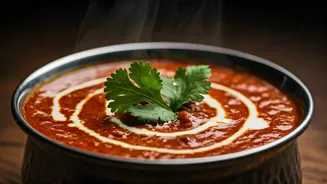
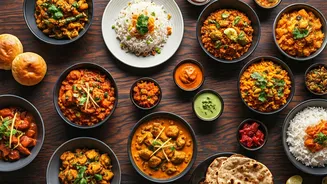
For many Americans, “Indian food” conjures a comforting but limited menu: chicken tikka masala, saag paneer, naan, and maybe a samosa. While delicious, these dishes represent a tiny, often Westernized fraction of a subcontinent’s vast culinary heritage.
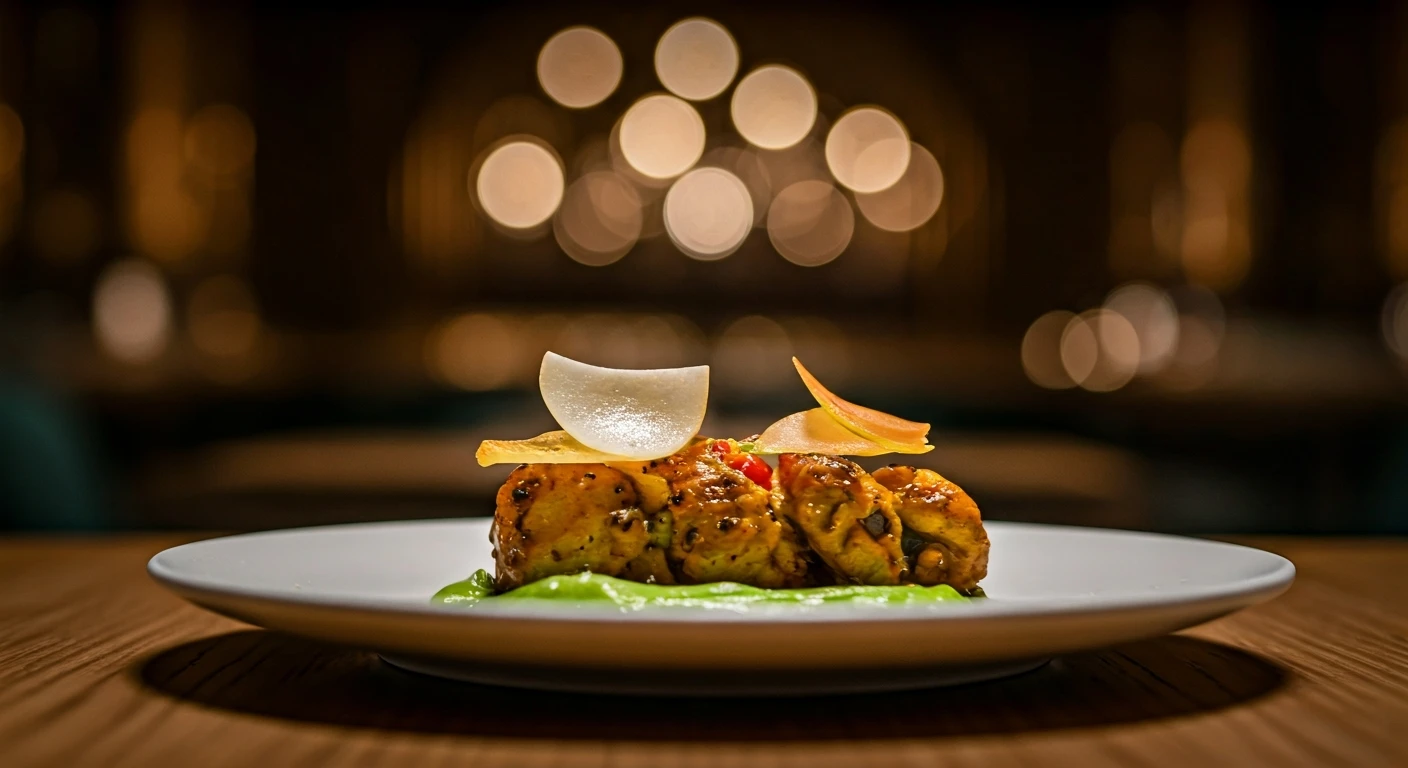
But in India’s bustling cities, a new generation of chefs and restaurateurs is pushing back against that stereotype. Fueled by a growing urban middle class, increased global exposure, and a fierce pride in local identity, they are deconstructing, reinventing, and celebrating Indian food in ways that are both startlingly modern and profoundly traditional. This isn't about abandoning tradition; it's about interrogating it. They’re asking what Indian food was, is, and could become, moving far beyond the familiar North Indian fare that has long dominated restaurant menus both at home and abroad.
The Gospel of Hyper-Regionalism
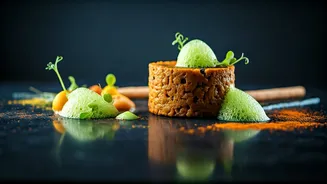
One of the biggest shifts is the move towards hyper-regionalism. Instead of a generic “Indian” menu, top restaurants are diving deep into the specific cuisines of a single state or even a single community. Think of it as the difference between serving “European food” and focusing entirely on the intricate pasta traditions of Sicily. Restaurants like Comorin in Gurugram, near Delhi, have built a following by elevating regional comfort foods, offering inventive dishes like a Haleem-inspired mutton hot pot or corn and crab momos. Meanwhile, in Mumbai, the acclaimed restaurant Masque (though its pioneering chef Prateek Sadhu has since departed) built its entire philosophy around the ingredients of the Himalayas, foraging for unique greens and using local products like Himalayan trout to create a tasting menu that tells a story of a specific place. This movement honors the country’s incredible diversity, introducing diners to the flavors of Bengal, Goa, Kerala, and the northeastern states in a fine-dining context.
Ingredient-Forward and Technique-Driven
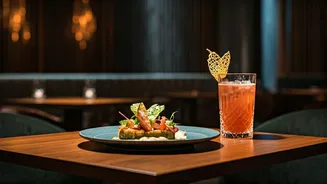
The new Indian kitchen is also becoming intensely ingredient-forward. Chefs are building relationships with farmers and producers, championing heirloom grains, obscure vegetables, and artisanal products that were previously confined to home kitchens. Mumbai's Ekaa, which was voted one of Asia’s 50 Best Restaurants, has a tasting menu called “An Anomaly of Seasons,” built entirely around celebrating the nuance of a single ingredient in each course. This philosophy extends to the bar, as well. The craft cocktail scene is exploding, moving past imported spirits to embrace local ones. Bartenders are making infusions with Indian botanicals, creating syrups from indigenous fruits, and championing spirits like feni, a Goan cashew- or coconut-based spirit, and Mahua, a liquor made from the flowers of the madhuca longifolia tree. The result is a drink menu that is as thoughtful and uniquely Indian as the food.
A New Culinary Confidence
Ultimately, this experimental wave is about more than just food. It’s a sign of a new cultural confidence. For decades, the pinnacle of fine dining in India was French or Italian. Indian food was seen as rustic, everyday fare. Today’s chefs are rejecting that colonial-era cringe and asserting that their own culinary traditions are worthy of the highest levels of creativity and refinement. They are using global techniques—fermentation, sous-vide, spherification—not to mimic the West, but to unlock new possibilities within their own native flavors. They are proving that a dish of humble millet or a foraged berry can be just as luxurious as foie gras or truffle, rewriting the rules of gastronomy on their own terms.