
Redefining Comfort
For generations, the American idea of comfort food has been a fairly static menu: creamy macaroni and cheese, a hearty bowl of chicken noodle soup, a warm chocolate chip cookie. These dishes are monoliths of nostalgia, designed to evoke a simple, shared
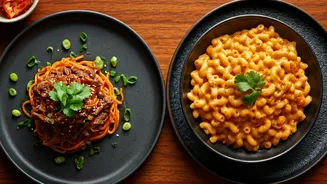
sense of home. But that definition is rapidly expanding, becoming more specific, more diverse, and infinitely more personal. The new comfort food isn't about a generic sense of coziness; it's about a very specific one. It’s the empanada your abuela made, the specific brand of instant noodles you ate after school, or the savory rice porridge that only your family seems to get right. This isn’t just about eating; it’s a statement of identity. It’s a quiet rebellion against a culinary melting pot that too often boiled away the distinct flavors of its ingredients.
The Social Media Showcase
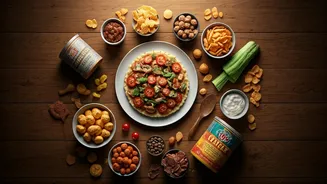
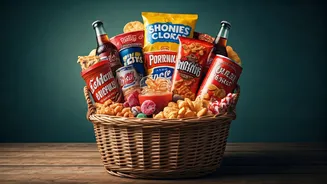
So, what’s a “flex”? In this context, it’s the proud, public celebration of these hyper-specific foods. And the primary stage for this showcase is social media. On TikTok and Instagram, you won't just see a photo of a finished dish. You’ll see the entire process: the trip to a bustling Asian or Latin market to find the right ingredients, the unboxing of a care package from relatives overseas filled with regional delights, or the multi-generational cooking session where a grandmother’s hands guide a grandchild’s. The “flex” is sharing the story, the heritage, and the unrehearsed joy attached to the food. A video of someone expertly preparing Korean tteokbokki from scratch or frying up perfectly crispy lumpia isn’t just a recipe tutorial; it's an act of cultural preservation and pride. It says, “This is part of me, and it’s amazing.”
A Taste of Identity
This trend is particularly powerful for second- and third-generation Americans. For many, growing up involved a delicate balancing act between their family's culture and mainstream American life. The snacks from home—sometimes pungent, unfamiliar, or simply “weird” to classmates—might have been a source of shame or something to be consumed privately. Now, that dynamic has flipped. Claiming those same foods with pride is a way of fully embracing a dual identity. It’s a way of saying that the things that once made you different are now your superpower. Making and sharing conchas, bibingka, or rugelach is more than just baking; it's an act of reclamation. It’s a delicious way to connect with ancestors, honor one’s upbringing, and confidently place your heritage on the American table, refusing to apologize for its presence.
From Family Kitchens to Mainstream Menus
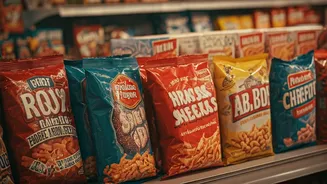
The impact of this personal pride is rippling outward, influencing the wider food landscape. As more people share their beloved traditional snacks, demand grows. Niche ingredients that once required a trip to a specialty store are now appearing in mainstream supermarkets. Chefs are finding inspiration not in far-flung culinary trends, but in the simple, soulful foods of their own childhoods. You see it in the explosion of high-end bakeries offering elaborate versions of Filipino ube-cheese pandesal, or in trendy restaurants serving elevated takes on Mexican elote. What starts as a personal “flex” on social media often becomes the next must-try item on a city’s food scene. This organic, bottoms-up movement is enriching American cuisine, reminding us that the most compelling flavors often come not from professional kitchens, but from the simple, time-honored recipes passed down through families.