


Beyond the Usual Green Suspects
For years, the conversation around sustainable food in the U.S. has orbited a few key players: plant-based meat alternatives, local farm-to-table restaurants, and a general emphasis on all things leafy and green. While valuable, this perspective often
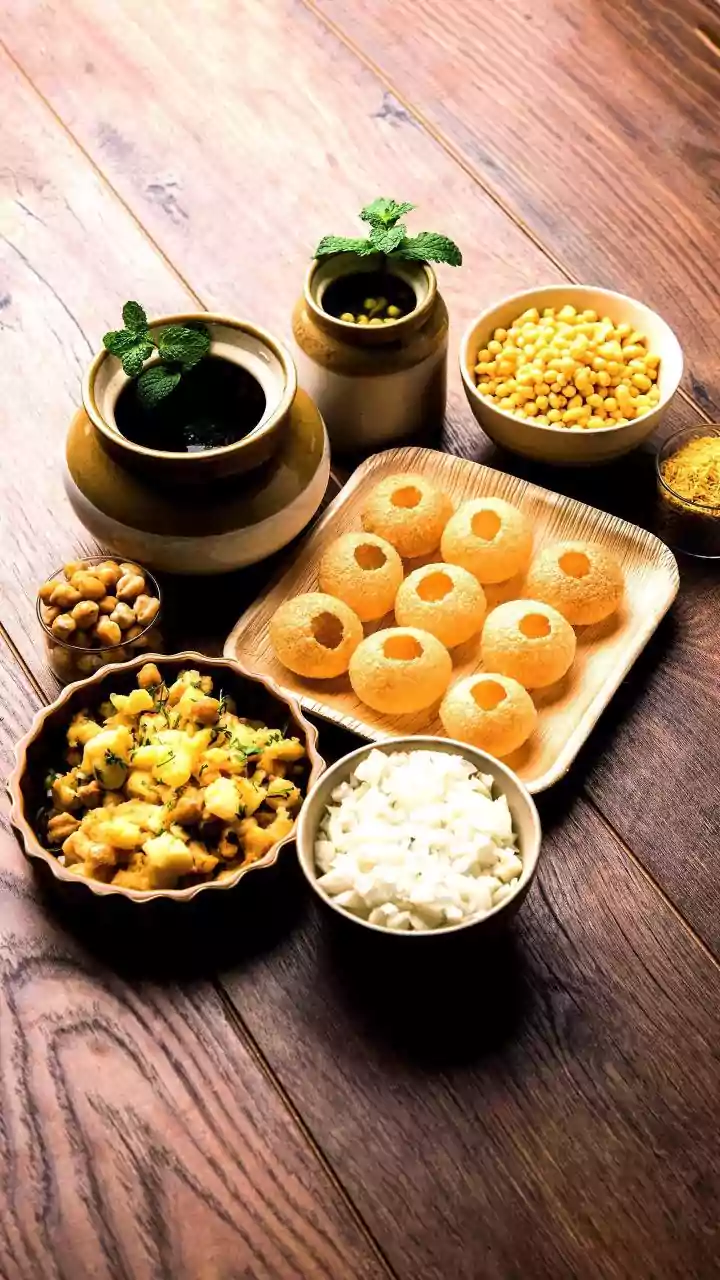
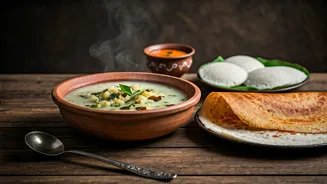
overlooks a world of cuisines that have been practicing climate-friendly cooking for centuries out of necessity and tradition. Enter Desi food—the rich and varied culinary landscape of South Asia. More chefs, home cooks, and climate advocates are realizing that the answers to some of our biggest food system questions might be hiding in plain sight, simmering in a pot of daal or baked into a piece of roti.
The Power of the Pulse
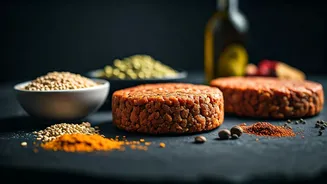
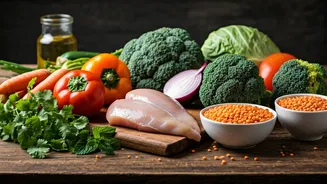
At the heart of Desi climate consciousness are pulses—lentils, chickpeas, beans, and peas. These aren't just ingredients; they're the foundational pillars of countless meals. Dishes like chana masala (chickpea curry) and various daals (lentil stews) are protein-packed, deeply satisfying, and incredibly good for the planet. Pulses are nitrogen-fixing crops, which means they naturally enrich the soil they grow in, reducing the need for chemical fertilizers. They're also water-efficient and have a much lower carbon footprint than animal proteins. This isn't a new discovery but an ancient agricultural wisdom. While the West celebrates the 'new' trend of plant-based protein, South Asian kitchens have been perfecting it for millennia, not as a substitute, but as the main event.
Embracing Ancient, Resilient Grains
The practicality extends beyond pulses to grains. While wheat and rice dominate the global market, many regions in India and its neighboring countries traditionally relied on hardier, more climate-resilient grains like millet, sorghum, and amaranth. Millets, in particular, are making a major comeback. They are what’s known as a “smart crop”—drought-resistant, capable of growing in poor soil, and nutritionally dense. For generations, these grains were staples, turned into flatbreads (like bajra roti), porridges, and side dishes. As climate change puts pressure on water-intensive crops like rice, the wisdom of embracing these ancient, low-impact grains is becoming undeniable. They offer a practical path to diversifying our diets and building a more resilient food supply.
A Philosophy of 'Root-to-Stem' Cooking
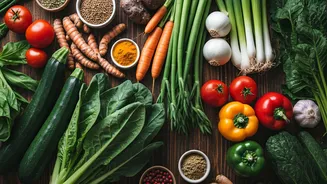
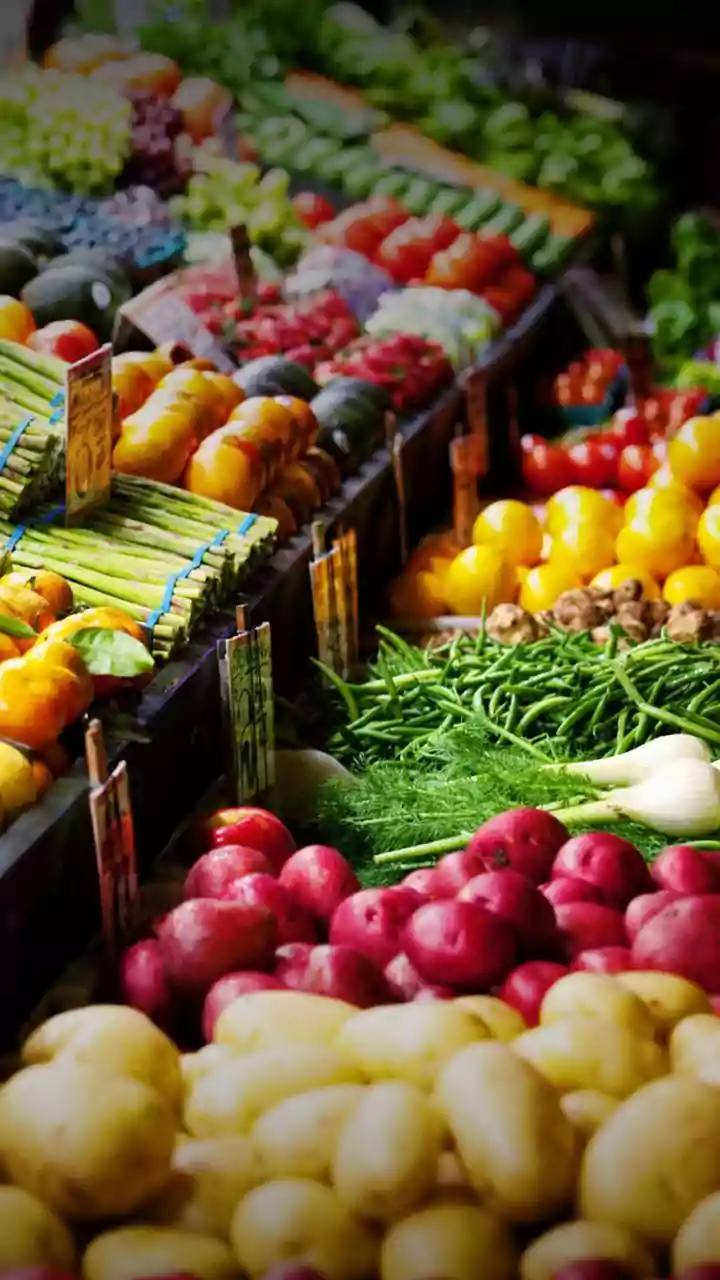
Another core tenet of traditional Desi cooking is its inherent lack of waste. The trendy 'root-to-stem' or 'nose-to-tail' philosophy celebrated in high-end Western restaurants has long been standard practice in South Asian households. It wasn't for Instagram; it was for survival and respect for ingredients. Vegetable peels are turned into chutneys, cauliflower stems are used in stir-fries, and whey from homemade paneer is kneaded into dough for breads. This approach doesn't just reduce food waste—a significant contributor to greenhouse gas emissions—it also extracts maximum flavor and nutrition from every ingredient. It’s a mindset of resourceful creativity, seeing potential in what others might discard.
The Modern Desi Revival
Today, second- and third-generation Desi Americans are leading a revival, connecting their heritage to their modern environmental values. They are sharing recipes on social media, writing cookbooks, and opening restaurants that celebrate the inherent sustainability of their ancestral foods. They are showing that climate-conscious eating doesn't have to mean bland, expensive, or futuristic. It can be vibrant, aromatic, and steeped in tradition. It's about finding comfort in a bowl of rajma (kidney bean curry) and knowing that your delicious dinner is also a small, practical act of planetary care.