







The Promise of the Monsoon
For much of India, the time before the monsoon is a period of waiting. The heat can be oppressive, the air thick and still. Rivers shrink, and the earth cracks. The annual arrival of the monsoon isn't just a weather event; it's a profound, life-altering
shift that has shaped culture, agriculture, and poetry for centuries. When the first fat drops of rain finally fall, they carry with them the scent of petrichor—the earthy smell of rain on dry soil—and a collective sigh of relief. This dramatic seasonal shift sets the stage for one of nature’s most enchanting performances, starring a small but mighty flower that seems to appear from nowhere.
An Overnight Transformation
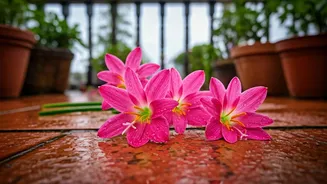
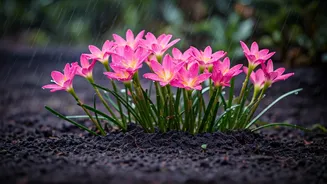
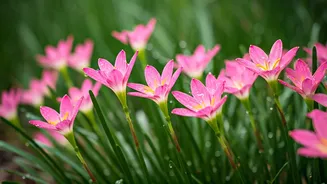
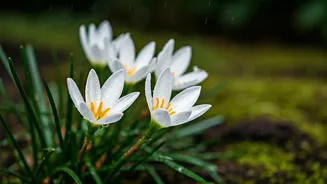
The magic of the rain lily, known botanically as *Zephyranthes*, lies in its timing. One day, there is nothing but damp earth. The next, seemingly overnight, thousands of delicate, crocus-like blossoms emerge on slender stems, creating swathes of vibrant color in gardens, parks, and even along roadsides. These blooms are ephemeral, often lasting only a few days before vanishing as quickly as they appeared, leaving behind their grassy foliage. This sudden, fleeting beauty is what earns them their reputation. In a world of slow-growing plants, the rain lily is an explosion of instant gratification, a floral fireworks display set off by the rain.
The Science Behind the Spectacle
While it feels like magic, the rain lily’s trick is a brilliant evolutionary strategy. These plants grow from bulbs that lie dormant underground during the dry season, patiently conserving their energy. The specific combination of a thorough drenching from the rain and the subsequent change in barometric pressure and temperature acts as a trigger. This natural alarm clock signals the bulb that conditions are perfect for a rapid growth spurt. The flower stalk shoots up, blooms, and hopes to be pollinated before the brief window of favorable weather closes. The name *Zephyranthes* itself comes from Zephyrus, the Greek god of the west wind, often associated with gentle spring and summer breezes—a fitting name for a flower that arrives with a change in the weather.
A Symbol of Hope and Renewal
In India, the rain lily is more than just a pretty flower; it's a cultural touchstone. Its appearance marks the true arrival of the monsoon, a season of rejuvenation and abundance. It embodies the concept of hope, resilience, and the joy that can emerge after a period of hardship. The flower’s sudden bloom is a visual metaphor for life's unexpected blessings. For gardeners and city dwellers alike, spotting the first rain lilies is a celebrated moment, a sign that the land is coming back to life. This association with renewal and spontaneous joy makes it a cherished part of the monsoon experience, woven into the fabric of daily life during the rainy months.
Bringing the Magic Home
While deeply connected to the Indian monsoon, rain lilies are not exclusive to the subcontinent. These hardy bulbs are native to the Americas and have naturalized in warm climates around the world. For American gardeners, they offer a chance to cultivate this same sense of wonder. Thriving in USDA zones 7 through 11, they are particularly well-suited to the southern United States, where summer thunderstorms can trigger the same spectacular blooming. They are remarkably low-maintenance, asking only for a sunny spot and well-drained soil. Planting a patch of rain lily bulbs is like planting a secret. For most of the year, you might forget they are there, until one day after a summer downpour, you walk outside to a surprise gift of color.