



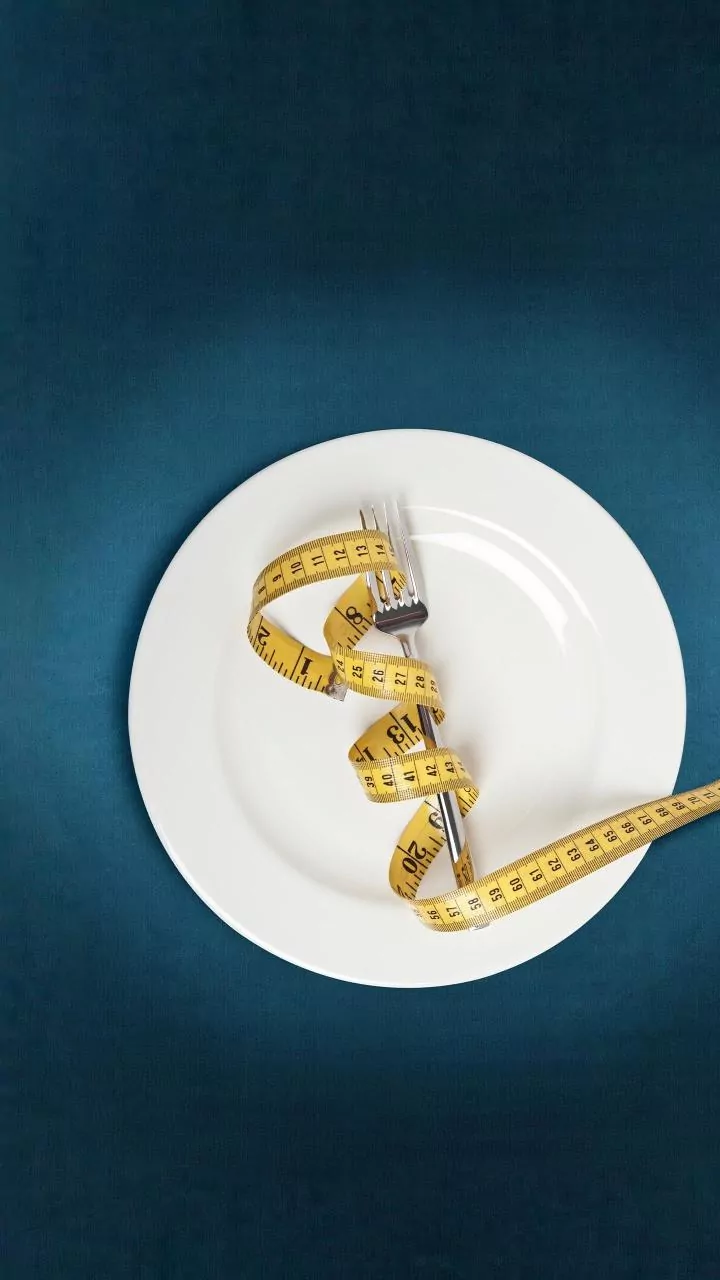



The Old Religion of the Calorie Burn
Remember the peak of this culture? It was the era of a workout not counting unless you were drenched in sweat, gasping for air, and checking your smartwatch every five minutes. High-intensity interval training (HIIT) was gospel. Fitness classes felt like
boot camps, with instructors yelling about “earning your weekend” or “torching fat.” The goal was simple and quantifiable: maximize the number of calories burned in the shortest amount of time. Food was transactional—something to be “worked off” later. This mindset, fueled by the explosion of wearable tech, turned exercise into a mathematical problem of caloric debt and repayment. It was a gamified system where the highest score—the biggest burn—always won, regardless of how you actually felt.
Why the Math Doesn't Add Up
The first crack in the foundation of calorie burn culture is a scientific one: it’s based on a deeply flawed and oversimplified model. The popular “calories in, calories out” (CICO) equation fails to account for the stunning complexity of human metabolism. Our bodies are not simple furnaces. They adapt. Pushing yourself through punishing workouts day after day can increase stress hormones like cortisol, which can lead to inflammation, poor sleep, and even weight retention—the exact opposite of the intended goal. Furthermore, the calorie-burn numbers on our beloved trackers are notoriously inaccurate. Studies have shown they can be off by as much as 40-90%, depending on the activity. They are, at best, a crude estimate, yet we treated them as infallible truth, shaping our entire relationship with movement around a faulty metric.
The High Cost of Obsession
Beyond the shaky science, the mental and emotional toll has become impossible to ignore. Framing exercise as a punishment for eating or a prerequisite for deserving food is a direct path to a disordered relationship with both. It fosters guilt and anxiety. Miss a workout? You’ve failed. Had a piece of cake? You’re in caloric debt. This all-or-nothing thinking turns movement, a potential source of joy and stress relief, into just another chore on the to-do list, another metric to optimize, and another way to feel inadequate. Experts in mental health and eating disorders have been sounding the alarm for years, noting that for many, obsessive calorie and exercise tracking can be a gateway to more serious conditions. The “reality check” isn’t just about fitness; it’s about protecting our mental well-being.
Enter: The Joyful Movement Era
So, what’s replacing the burn-at-all-costs mentality? A more intuitive, sustainable, and frankly, more humane approach. This new paradigm is less about performance and more about feeling good. It champions “joyful movement”—finding physical activities you genuinely enjoy, whether that’s a long walk with a podcast, a dance class, gardening, or gentle yoga. The focus is shifting from caloric expenditure to functional benefits: building strength to carry groceries, improving mobility to play with your kids, and boosting energy levels to live a fuller life. Low-intensity steady-state (LISS) cardio, like walking, is being celebrated for its ability to build endurance and manage stress without overtaxing the body. It’s a move away from exercise as self-punishment and toward movement as self-care. It’s about listening to your body’s signals—its need for rest, for gentle activity, or for a challenging push—instead of outsourcing that intuition to a wrist-worn gadget.