
Beyond the Restaurant Menu
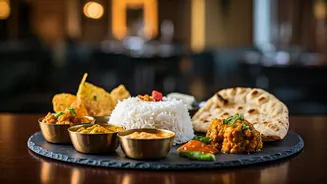
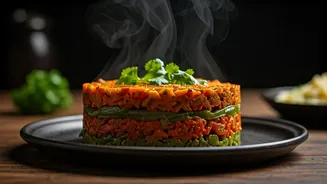
When many Americans think of Indian food, they picture the rich, decadent dishes of restaurant menus: creamy butter chicken, elaborate biryanis, and pillowy naan. While delicious, these often represent celebratory or special-occasion cooking. The food that
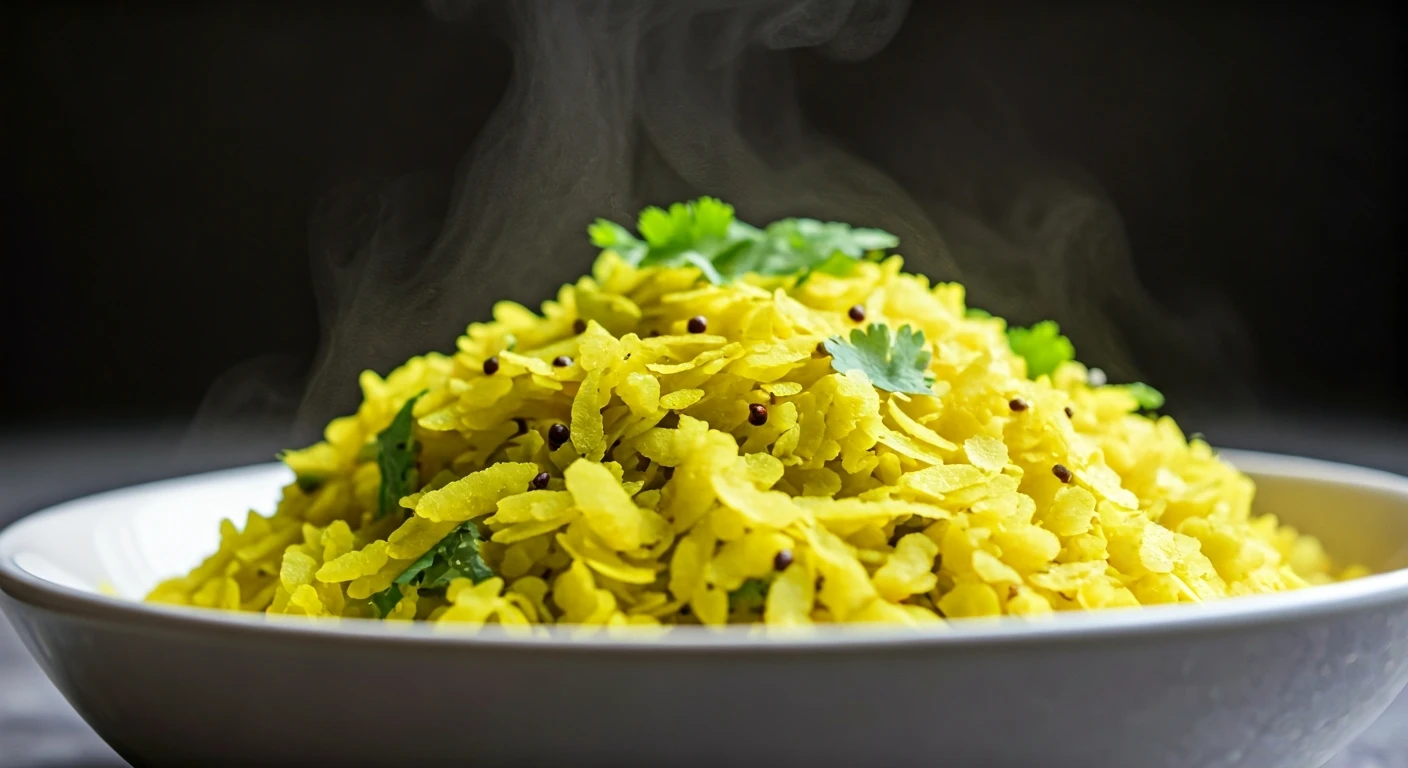
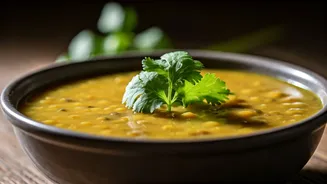
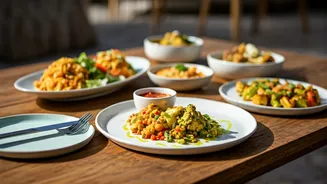
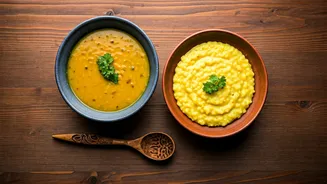
fuels hundreds of millions of people in India every day is far simpler, thriftier, and quicker to prepare. This is the world of pantry cooking: dal (stewed lentils), khichdi (a comforting porridge of rice and lentils), and simple vegetable stir-fries (sabzis) seasoned with a core set of spices. These aren't just scaled-down versions of restaurant fare; they are a distinct and foundational category of Indian cuisine. They are the equivalent of a perfect grilled cheese and tomato soup or a simple pasta aglio e olio—elemental, nourishing, and deeply comforting.
A Perfect Storm for Popularity
So why is this everyday food having a major moment right now? It's a convergence of several cultural and economic trends. First, inflation has sent grocery bills soaring, pushing home cooks to find satisfying meals that rely on inexpensive, shelf-stable staples like lentils, rice, and chickpeas. Indian pantry cooking is, by its very nature, budget-friendly. Second, the post-pandemic era cemented home cooking as a primary activity for many, creating a desire for new skills and flavor profiles that don't require professional training. Finally, social media has been a massive catalyst. A new generation of Indian and South Asian American food creators on platforms like TikTok and Instagram have brilliantly demystified the process. They showcase how to make a flavorful tadka (spices bloomed in hot oil), a simple dal, or a quick chickpea curry in 60-second videos, making it feel achievable and modern. They’ve stripped away the intimidation factor, presenting these meals not as complex ethnic recipes but as what they are: fantastic weeknight dinners.
Decoding the Indian Pantry
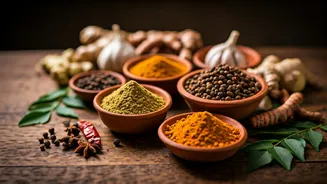
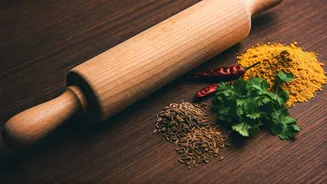
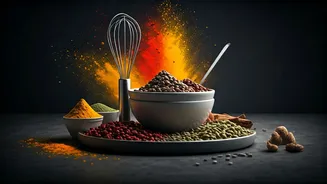
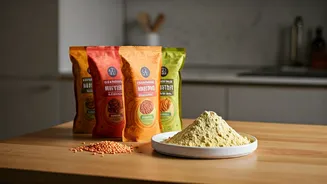
The idea of stocking an “Indian pantry” might sound daunting, but the reality is surprisingly streamlined. It doesn't require dozens of obscure ingredients. The foundation rests on a few key categories. Legumes are central: red lentils (masoor dal) for quick-cooking stews, and yellow split pigeon peas (toor dal) or chickpeas for heartier dishes. Grains are simple: usually a long-grain rice like Basmati. The magic, of course, is in the spices, but even here, you can start with a core group. A small collection of ground turmeric, cumin, coriander, and red chili powder, along with whole cumin seeds and mustard seeds, can unlock a vast universe of flavor. The iconic round spice box, or masala dabba, seen in so many creators’ kitchens, isn't a sign of complexity; it's a tool of efficiency, keeping the essential flavors for daily cooking right at your fingertips.
The Ultimate Form of Comfort
More than just being practical, these pantry meals are the bedrock of Indian comfort food. Khichdi, often one of the first solid foods given to babies, is the go-to meal for when you're feeling under the weather. A simple bowl of dal and rice is a culinary hug, a dish that signifies home and routine for millions. This emotional connection is a huge part of its growing appeal. In a world of over-the-top food trends and complicated recipes, the straightforward honesty of a well-spiced lentil soup is a welcome relief. It’s a return to the basics, proving that you don’t need a long list of expensive ingredients to create something that feels both nourishing for the body and soothing for the soul. It’s a quiet rebellion against culinary complexity, hiding in plain sight in the pantry aisle.