






Defining the New Itinerary
So, what exactly is a long-stay work trip? It’s not a vacation where you sneak in a few emails, nor is it the permanent, untethered life of a digital nomad. Think of it as a temporary, purposeful relocation. Professionals are packing their laptops and
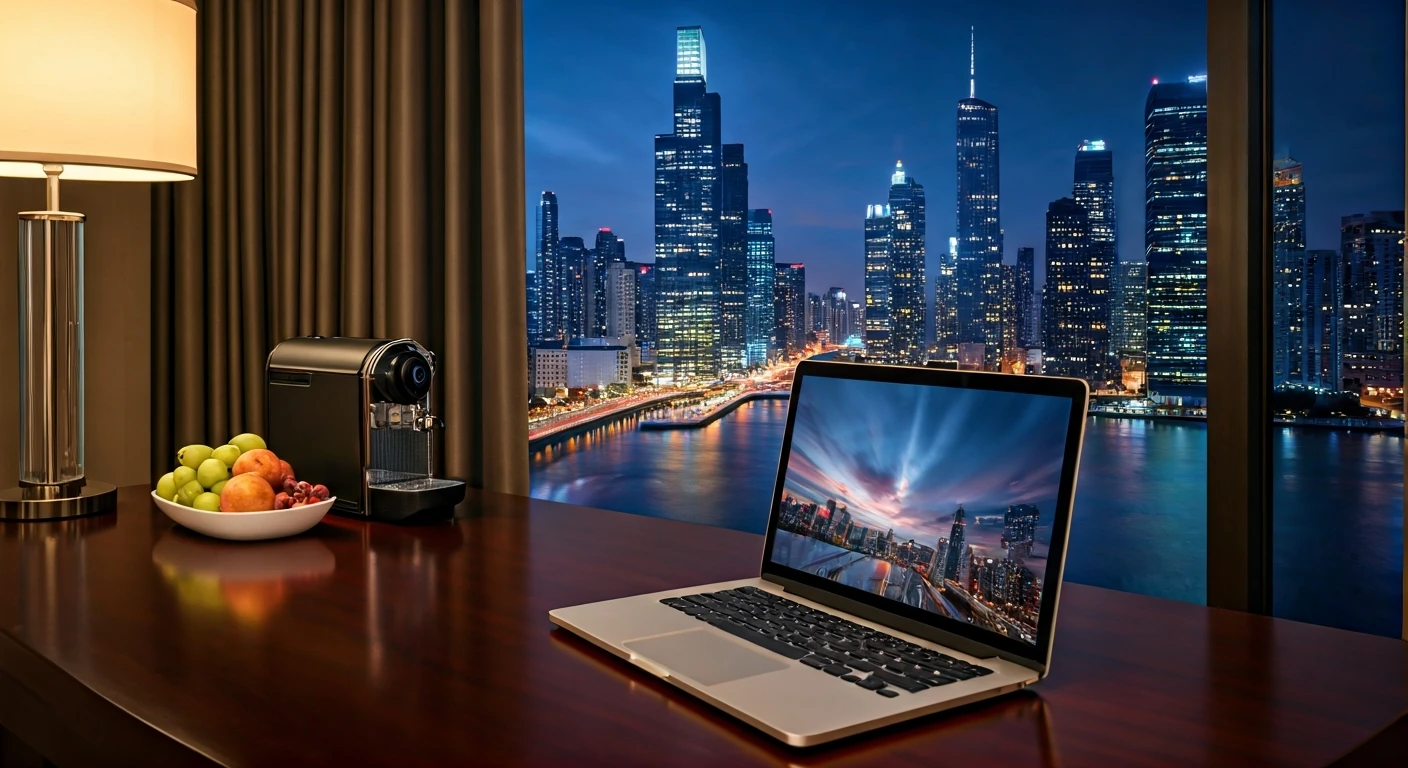
spending one to three months in a new city or country, maintaining their full work schedule while immersing themselves in a different environment. Instead of a hotel, they’re booking furnished apartments or extended-stay suites. The goal isn't to escape work, but to integrate it into a richer, more stimulating life experience. The coffee shop you work from is in Lisbon, your weekend hike is in the Rockies, and your core job responsibilities remain the same.
Meet the 'New Professional'
This trend is being pioneered by a cohort we might call the “new professional.” They aren't just recent grads with a backpack. Increasingly, they are established employees in their 30s and 40s with significant career capital and the trust of their employers. They’ve proven they can deliver results remotely and are now leveraging that flexibility. After years of climbing the corporate ladder, they value autonomy and work-life integration over a corner office. They’re less interested in separating work from life and more interested in making both more meaningful. This professional is seeking a cure for the monotony of working from a home office that has started to feel like a cage, using newfound freedom to foster creativity and global awareness.
The Post-Pandemic Catalyst
The rise of the long-stay work trip is a direct consequence of the pandemic’s disruption. When companies were forced into remote work, they inadvertently ran a massive, successful pilot program for distributed teams. Many have since adopted permanent “work from anywhere” or hybrid policies. This structural shift provides the foundation. But the psychological factor is just as important. After two years of isolation and burnout, professionals are eager to use their flexibility for something more than just working from the dining room table. The desire for new experiences, coupled with the corporate infrastructure to support it, has created the perfect environment for this trend to flourish.
More Than Just a 'Workcation'
It’s crucial to distinguish this from adjacent concepts. The “bleisure” trip—tacking a few vacation days onto a business conference—is a short-term perk. Digital nomadism is a wholesale lifestyle choice, often undertaken by freelancers or entrepreneurs without ties to a single employer. The long-stay work trip occupies a new middle ground. It’s structured, often project-based, and maintains a clear connection to a primary employer. An employee might relocate to another city to be closer to a key client for a quarter, or a team might co-locate in a new environment for a month to kickstart a major project. It’s a strategic move, not just a random change of scenery.
The View from the C-Suite
Forward-thinking companies are embracing this trend not just as a perk, but as a strategic tool for talent management. In a competitive job market, offering the ability to work from anywhere for an extended period is a powerful differentiator for attracting and retaining top employees. It signals trust and a focus on employee well-being, which can be more valuable than a salary bump. While there are logistical hurdles to navigate—primarily around taxation, employment law, and cybersecurity—many companies are developing formal policies to manage them. They see the return on investment in a workforce that is more engaged, globally aware, and less prone to burnout. It's a benefit that pays dividends in loyalty and innovation.