








First, What Is Kachori Sabji?
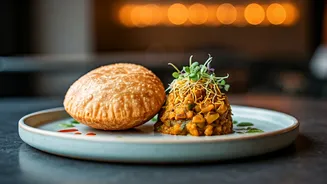
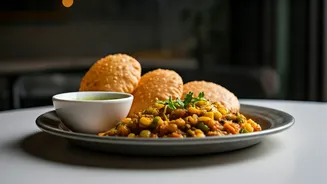
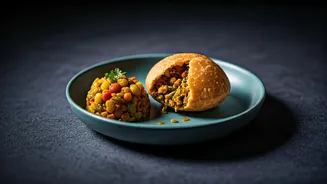
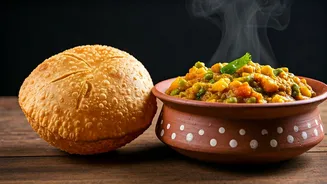
Before we get to what makes the Banarasi version a showstopper, let's break down the basics. Imagine you’re standing on a busy Indian street corner. First up is the kachori: a small, round, deep-fried pastry. Think of it as a savory, Indian-spiced cousin
to a donut hole, but with a crisp, flaky shell instead of a soft, cakey interior. Inside, it’s stuffed with a savory filling, typically made of spiced lentils or onions. Then comes the sabji. While the word translates broadly to "vegetable dish," in this context it’s a specific style of thin, aromatic curry or stew. It’s not the thick, creamy curry you might find at a typical Indian restaurant in the U.S. This is a lighter, brothier gravy designed to be soaked up by the kachoris. Together, they form a classic North Indian breakfast or snack that’s both humble and profoundly satisfying.
The Magic of the Banarasi Touch
So, what’s so special about the version from Banaras (also known as Varanasi), one of India’s oldest and most sacred cities? The difference is in the details. Banarasi kachoris are typically smaller and crisper than their counterparts from other regions. The filling is almost always a finely ground, spicy mixture of urad dal (black gram lentils) seasoned with asafoetida, fennel, and ginger, giving it a uniquely pungent and aromatic kick. The real star, however, is the sabji. The Banarasi style is a masterclass in flavor balance. It’s a vibrant, tangy potato and tomato curry, often made without any onion or garlic—a tradition rooted in certain Hindu dietary practices common in the holy city. This absence allows other spices, like cumin, coriander, and dried mango powder (amchur), to shine, creating a taste that is simultaneously spicy, tangy, and subtly sweet. It’s this specific, addictive flavor profile that has Delhi food lovers lining up.
It's All About the Experience
You don’t just eat Banarasi Kachori Sabji; you experience it. A street vendor will take a couple of hot, fresh-from-the-fryer kachoris and place them in a simple bowl, often made from dried leaves. Then, with a quick press of the thumb, they gently crush the kachoris, breaking that perfect golden crust. This isn't destruction; it's preparation, creating pockets and crevices to capture the gravy. Next, a generous ladle of the steaming hot, bright orange sabji is poured over the top, instantly softening the crispy pastry shards while the intact parts remain crunchy. The dish is finished with a sprinkle of fresh cilantro and perhaps a drizzle of tamarind chutney or a side of green chili pickle. The result is a perfect textural contrast in every bite: crunchy, soft, soupy, and chewy all at once. It’s a fleeting pleasure, meant to be eaten immediately while standing on the curb, surrounded by the sounds and energy of the city.
Why Delhi Is So Obsessed
Delhi is a city of migrants, a melting pot of cultures from across India. The recent surge in popularity for Banarasi Kachori Sabji isn't just about a new trend; it's about the city’s deep appreciation for authenticity. This dish offers a direct, unpretentious taste of another region's soul. It's not fusion food or a high-end restaurant creation. It’s pure, unadulterated comfort. For many, it’s a taste of nostalgia. For others, it’s a delicious discovery. In a world of complex, multi-step meals, the appeal of this dish lies in its simplicity and its perfect execution of fundamental flavors. It hits every note the palate craves—spicy, salty, sour, and a touch of sweet—for a price that’s accessible to everyone. It’s the kind of food that doesn't need a marketing campaign; its quality speaks for itself, spreading through word of mouth and a city's endless hunger for the real deal.